

If You Don’t Know, Now You Know – Asian Nations Reject Western Trash | The Daily Show
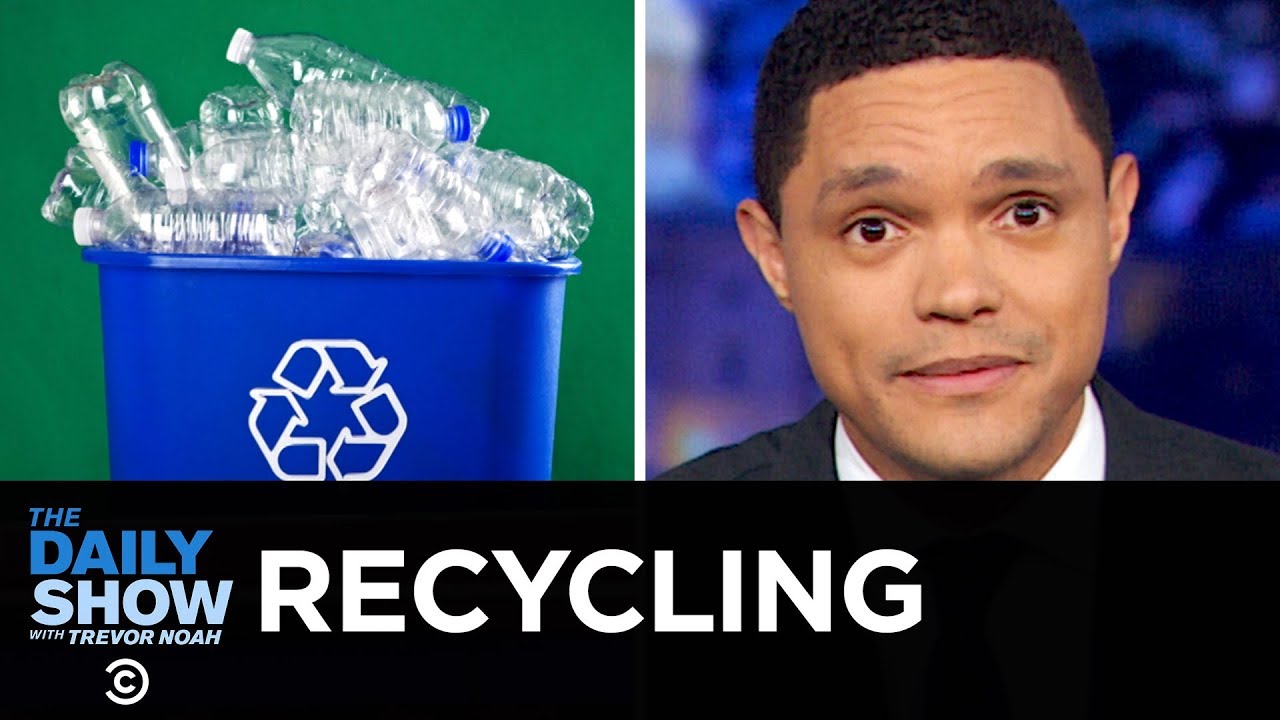

Trevor Noah spent a Daily Show breakdown explaining why the world’s recycling bins have quietly become a lie.
In the July 2019 “If You Don’t Know, Now You Know” segment, Noah traces how China’s crackdown on foreign trash sent Western plastic scrap cascading into Southeast Asia — and how those countries are now shipping it right back. The piece lands on a simple, uncomfortable point: tossing a bottle into a blue bin never guaranteed it got recycled, it just moved the problem overseas. Now that the receiving countries have shut their ports, the mess is landing back on American soil.
- China’s 2018 “National Sword” policy banned contaminated foreign plastic scrap, redirecting Western waste streams toward Malaysia, Indonesia, Thailand, Vietnam, and the Philippines.
- Malaysian Environment Minister Yeo Bee Yin vowed to send back thousands of metric tons of contaminated plastic waste after landfills, water supplies, and air quality suffered from illegal open-air burning.
- Philippine President Rodrigo Duterte threatened diplomatic and literal conflict against Canada to force the return of dozens of stranded trash containers.
The National Sword Policy and the Ripple Effect
For decades, the United States and other wealthy nations treated exporting plastic scrap as a cheap substitute for actually recycling it. That arrangement depended almost entirely on China, which had absorbed the bulk of the world’s plastic waste under the pretense of processing it into new material. When Beijing rolled out National Sword in early 2018 and banned contaminated scrap outright, the supply chain didn’t shrink — it just found new destinations.
Noah walks through how exporters simply rerouted colossal volumes of waste toward Southeast Asia. Malaysia, Indonesia, Thailand, Vietnam, and the Philippines all saw sudden spikes in imported scrap, much of it far too contaminated to actually recycle. The segment frames this less as a market correction and more as a shell game — the garbage didn’t disappear, it just crossed an ocean.
Landfills, Toxic Fumes, and a Regional Backlash
The consequences showed up fast: overflowing landfills, degraded land, contaminated water supplies, and toxic fumes from open-air burning of plastic that couldn’t be processed any other way. Noah lays out how these recipient countries got overwhelmed almost overnight by garbage that was never truly recyclable to begin with, just packaged as if it were.
That’s what triggered the pushback. Governments across the region started rejecting contaminated shipping containers outright and demanding Western nations take their trash back rather than let it rot in local landfills. Yeo Bee Yin’s pledge to return thousands of metric tons of contaminated plastic became the clearest signal that the era of quietly accepting the West’s overflow was over.
Duterte threatened diplomatic and literal conflict against Canada just to get dozens of stranded trash containers sent home.
Duterte’s Standoff and the Diplomatic Fallout
Noah singles out Duterte’s confrontation with Canada as the starkest example of how far this fight escalated. Dozens of containers labeled as recyclables but stuffed with household garbage had been sitting in the Philippines for years, and Duterte’s threats turned a waste dispute into a genuine diplomatic flashpoint. It’s the kind of moment late-night hosts love to seize on, in the same way John Oliver has built entire segments around unpacking a policy mess most viewers never knew existed.
The Trash Comes Home to America
The segment’s real punch is aimed at the U.S. side of the equation. With Asian ports closing off, American municipal recycling programs have had nowhere to send the material that China and Southeast Asia used to take. Noah points out the result: plastic that residents believe is being recycled is quietly getting routed straight into domestic landfills and incinerators instead.
That’s the crux of the segment — the recycling symbol on a container never meant the material inside was actually being reused. It meant, for years, that someone else’s country was going to deal with it. Once that stopped being true, the domestic waste system had nowhere left to hide the problem.
Noah doesn’t offer a tidy fix by the end of the segment — he leaves it exactly where the geopolitics left it, with the U.S. suddenly stuck holding scrap that Malaysia, the Philippines, and Vietnam no longer want anywhere near their ports.








Did Prince William Express Doubts About Meghan Markle?
30 Girls Justin Bieber Has Slept With
Risking My Life To Settle A Physics Debate
10 Prom Dresses Inspired by Popular Movies
The Shady Truth About Paulina Gretzky’s Fiance