

The Truth About Clint Eastwood’s Longtime GF Who Died In 2018
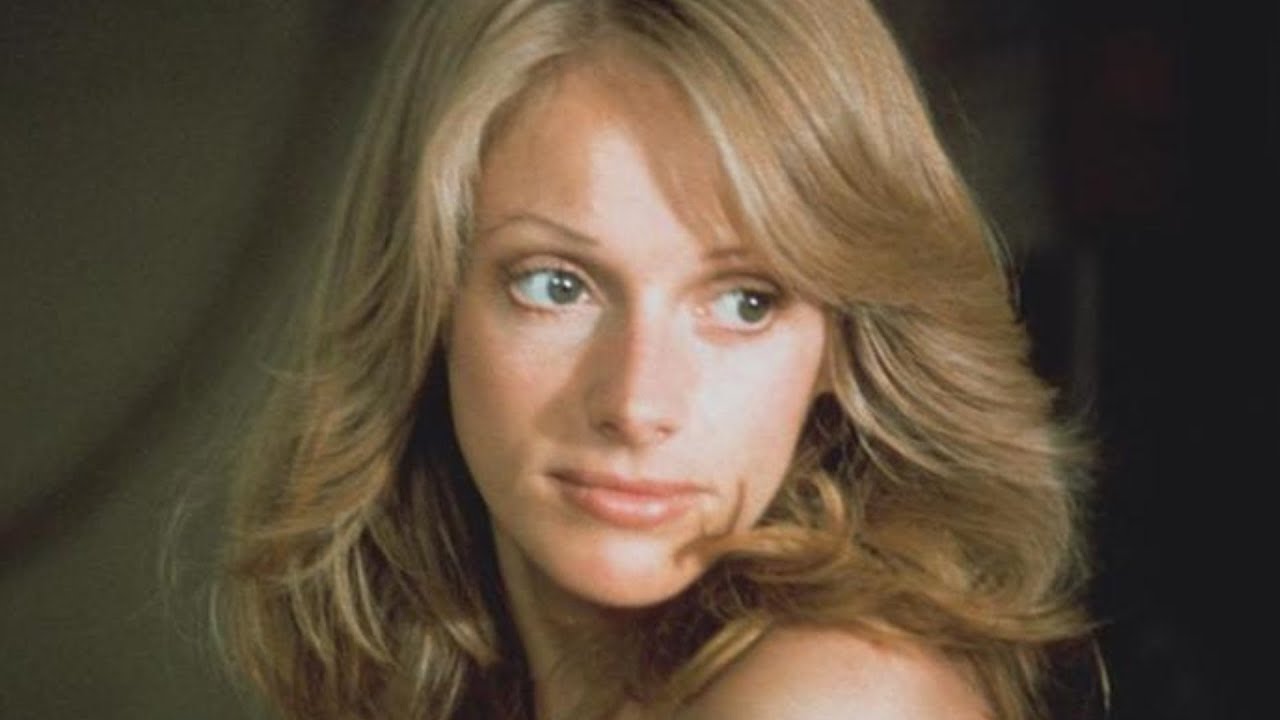

The love story that made Sondra Locke a movie star is also the one that spent nearly two decades tearing her career apart in courtrooms.
Sondra Locke died at her Los Angeles home on November 3, 2018, at age 74, but the world didn’t find out until December 13 — more than six weeks later. The delay only added to the mystery around a woman whose Oscar-nominated talent got permanently tangled up with her 13-year relationship with Clint Eastwood, a partnership that produced six hit movies on screen and one of Hollywood’s ugliest legal wars off it.
- Locke died of cardiac arrest stemming from breast and bone cancer on November 3, 2018; news of her death wasn’t made public until December 13, 2018.
- She earned a Best Supporting Actress Oscar nomination for her 1968 film debut in “The Heart Is a Lonely Hunter” before beginning a romantic and professional partnership with Clint Eastwood in 1975 on “The Outlaw Josey Wales.”
- Locke sued Eastwood in 1995 for fraud, breach of fiduciary duty and intentional interference; the 1996 trial ended in an undisclosed settlement just as the jury began deliberating, followed by a separate 1999 settlement with Warner Bros.
The Oscar Nod That Started It All
Locke’s film debut wasn’t a footnote — it was a genuine breakthrough. Her performance in “The Heart Is a Lonely Hunter” (1968) landed her an Academy Award nomination for Best Supporting Actress before she’d made a second movie, the kind of entrance that suggested a long, serious acting career on her own terms.
That trajectory changed in 1975 on the set of “The Outlaw Josey Wales,” where Locke met Clint Eastwood and the two began a relationship that would define the next 13 years of her life. They went on to co-star in six box-office hits together, including “The Gauntlet” (1977), “Every Which Way but Loose” (1978) and “Sudden Impact” (1983) — films that made Locke one of the most recognizable faces paired with one of the biggest movie stars in the world, even as her own directing ambitions started to take shape. She stepped behind the camera in 1986 with the well-received indie “Ratboy,” proof she had a filmmaking career worth pursuing independent of Eastwood’s shadow.
A Bel-Air Lockout and a Lawsuit
Behind the six films and the Hollywood glamour, the relationship was falling apart. Mutual infidelities strained things for years, and Locke eventually learned Eastwood had secretly fathered two children with flight attendant Jacelyn Reeves during their time together. The breakup went from private to spectacularly public in April 1989, when Eastwood had the locks changed on their Bel-Air home and had Locke’s belongings boxed up while she was away — a move that pushed her to file a landmark palimony and property lawsuit.
That first legal fight appeared to resolve cleanly: Eastwood arranged for Locke to receive a multimillion-dollar directing development deal at Warner Bros. as part of the settlement. On paper, it looked like a graceful exit for both sides.
Thirty Rejected Pitches
It wasn’t. Locke later discovered that Warner Bros. had rejected every single one of the thirty projects she pitched under that development deal, while Eastwood was privately covering the contract’s overhead costs — meaning the “opportunity” he’d secured for her had functioned as a dead end all along. That discovery is what pushed her back into court in 1995, this time suing Eastwood directly for fraud, breach of fiduciary duty and intentional interference with her career.
Thirty pitches. Thirty rejections. A studio deal that looked like a peace offering but never let her direct a single film.
The case went to a highly publicized Los Angeles trial in 1996 — the kind of Hollywood-versus-Hollywood courtroom drama that plenty of stars have tried to bury before it ever got this far, the same instinct that’s fueled so many quiet Tinseltown breakups turning ugly once lawyers get involved. Just as the jury began deliberating, Eastwood and Locke reached an undisclosed out-of-court settlement, ending the trial without a verdict. Locke followed up with a separate settlement against Warner Bros. in 1999, closing the loop on a decade of litigation.
Her Own Account
Locke put her side of the story on the record in her 1997 autobiography, “The Good, the Bad, and the Very Ugly,” published while the Warner Bros. portion of the case was still unresolved. It stands as her own documented rebuttal to a narrative that, for decades, had largely been told through Eastwood’s fame rather than her own body of work — not unlike the way plenty of Hollywood exes have had to fight publicly just to reclaim their own story.
What’s left is a career that started with an Oscar nomination at 24 and a directing credit Warner Bros. quietly buried thirty times over — a body of work that never got to stand fully on its own while she was alive to defend it.





20 Things You Didn’t Know About Mickey Mouse
The Untold Truth Of Justin Bieber
Top 10 Celebrity Comebacks: Stars Silencing Disrespectful Interviewers
Tough Guy Actors Who Aren’t That Tough In Real Life
Gordon Ramsay Returns for the Hot Ones Holiday Extravaganza | Hot Ones