

 InfoSearched
A face is just skin and bone until somebody decides to make it lie to your eyes.
TheTalko dropped a compilation on September 10, 2015 called “Amazing Makeup Artists That Will Blow Your Mind,” and it doesn’t waste time on prom looks or bridal contouring tutorials. Instead it traces cosmetics back to their strangest origin story and lands squarely on the artists using the human face as raw material for illusion, not just enhancement. The through-line is simple: makeup started as ritual, and by mid-2015 it had become a full-blown visual medium with its own stars.
- Ancient Egyptians applied kohl made from lead, copper, ash, and burnt almonds around their eyes — not for beauty alone, but as a ritual practice believed to ward off evil spirits.
- Cleopatra reportedly colored her lips using pigment derived from crushed beetles, a detail the video uses to frame cosmetics as ancient technology rather than a modern invention.
- The showcase centers on artists working through film, YouTube, and Instagram, tying the rise of viral, high-concept makeup artistry directly to the platforms that exploded in the mid-2010s.
From Kohl To Camera-Ready Canvases
Before there was a beauty aisle, there was a ritual. The video opens on the idea that everyone reaching for a lipstick or eyeliner today is, whether they realize it or not, repeating something Egyptians were doing thousands of years ago — mixing lead, copper, ash, and burnt almonds into kohl and lining their eyes with it. Cleopatra’s beetle-based lip color gets the same treatment: not a punchline, but proof that turning the face into a canvas is one of the oldest impulses humans have.
That framing matters because it sets up the rest of the compilation as an evolution rather than a novelty. The same impulse that had Egyptians darkening their eyes for spiritual protection is what’s driving artists in 2015 to turn a cheekbone into a shadow and a jawline into a piece of concept art.
The 2015 Shift To Digital-First Artistry
What separates this video from a standard beauty tutorial roundup is where it points the camera. Instead of chairs at weddings and proms, the focus lands on artists who built their reputations on YouTube uploads and Instagram grids — the platforms that, by the middle of 2015, had turned makeup application into something closer to performance art with a built-in audience. A technique that once lived and died in a single salon appointment could now be filmed, shared, and picked apart frame by frame by millions of viewers.
Kohl made from lead, copper, ash, and burnt almonds set the template — beetle-crushed lip color from Cleopatra’s era just proved the face was always meant to be a canvas.
That shift is what the video argues actually changed the craft. Artists were no longer just servicing clients; they were producing content, and the incentive moved toward bigger, stranger, more technically demanding transformations that would stop a scroll dead in its tracks.
Turning Faces Into Optical Illusions
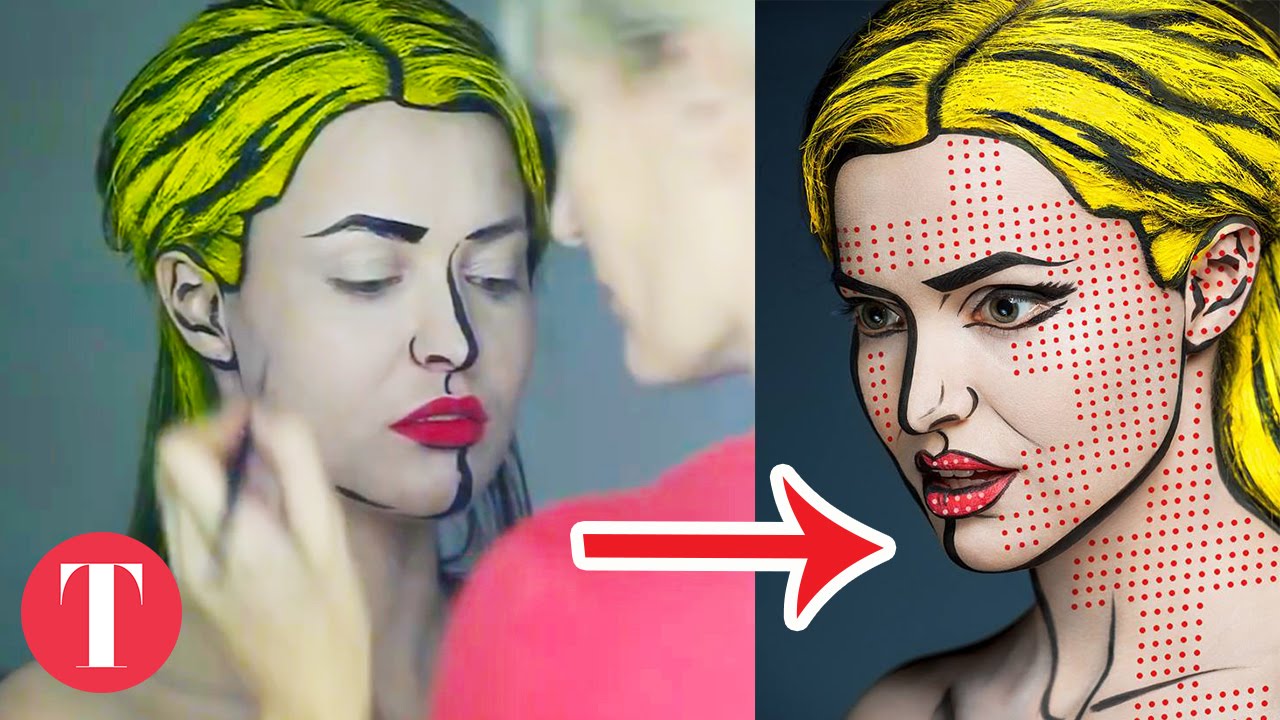
The compilation’s real payoff is the technique itself — face paint used to model bone structure that isn’t there, shading that bends a nose or hollows a cheek that never moved, and full-body work that turns a model into a character or a creature. It’s the same sleight-of-hand logic that makes celebrity doppelgängers so unsettling to look at — the brain expects one face and gets handed something else entirely, and for a second it can’t reconcile the two.
The video treats every artist in the lineup as working from the same blank premise: skin is just a surface, and with enough control over light and shadow, that surface can be told to look like almost anything. It’s a smaller, stranger cousin to the kind of reveal that makes people say a public figure looks nothing like they seem once the transformation is finished.
The names behind individual looks come and go with every algorithm update, but the trick TheTalko is really selling here hasn’t changed since 2015 — a well-lit face, a steady brush, and enough patience to make the scroll stop for one more second.








Taking my Lamborghini Urus to CarMax! They Offered This…
Steven Seagal’s Daughter Has Grown Up To Be Gorgeous
15 Styles of Rapping! (ft. Dababy, Lil Nas X, NLE Choppa, Lil Tecca)
Celebs Who Identify As Non-Binary
The Real Reason JWoww Is Divorcing Roger