

10 CRAZY WEDDING Makeup Trends From Around The World
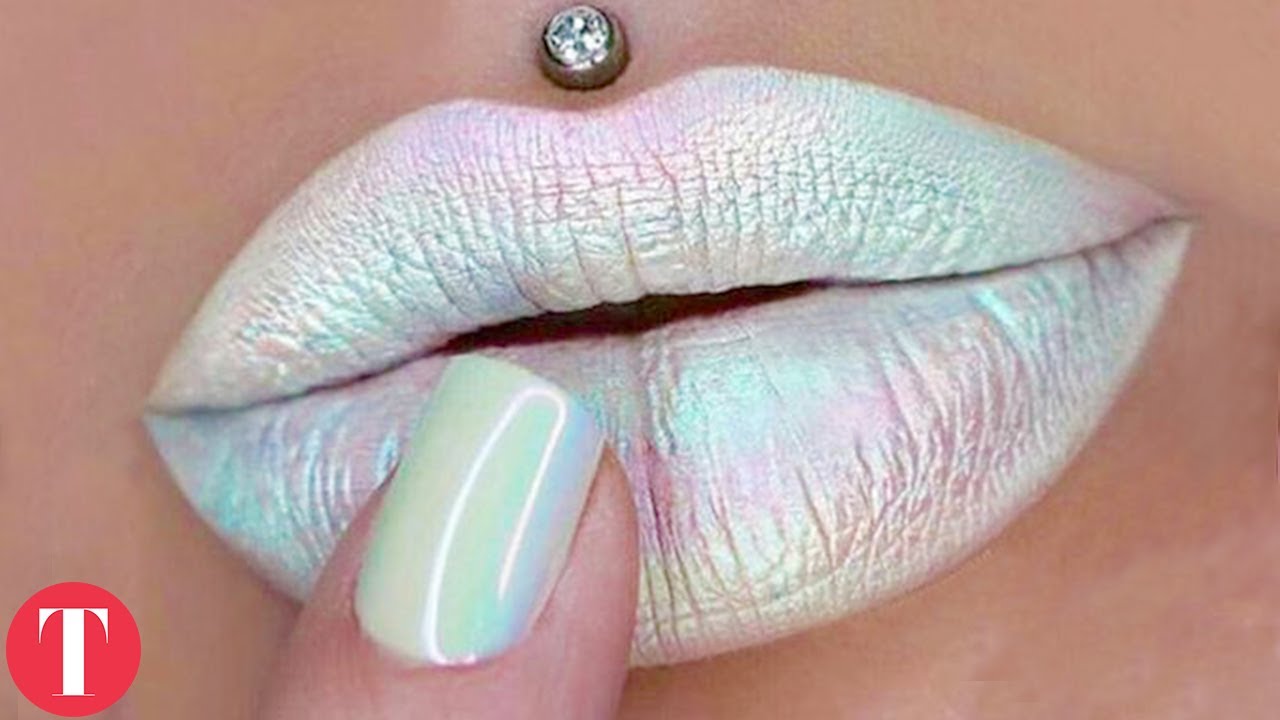

Bridal makeup, it turns out, doesn’t always mean a natural glow and a nude lip.
TheThings Celebrity pulled together ten traditions from Africa, Europe and Asia for “10 CRAZY WEDDING Makeup Trends From Around The World,” and the throughline is simple: what counts as a “beautiful bride” changes wildly depending on where the wedding is happening. Instead of chasing the soft-glam look that dominates Western bridal boards, the video digs into rituals where opaque white paint, thick chalk masks and symbolic markings are the whole point. It’s a reminder that the quiet, understated bridal aesthetic so often praised at royal weddings is a cultural choice, not a universal one.
- In Ribnovo, Bulgaria, Pomak Muslim brides have their faces painted completely opaque white with a thick, chalk-like cream called the “gelina” mask, then covered in sequins, foil and floral patterns believed to ward off evil spirits.
- Traditional Japanese bridal beauty uses “shiro-nuri,” a pure white foundation powder applied across the face, neck and chest, paired with stark red lipstick and blackened eyeliner.
- Indian bridal tradition includes “solah shringar” — sixteen adornments — with red bindi designs and ornate patterns drawn above the eyebrows as part of the ceremonial look.
The Gelina Mask Of Ribnovo
Of every look in the countdown, the Ribnovo tradition is the one built to stop scrolling. The village, tucked in the Bulgarian mountains, dresses its Pomak Muslim brides in a solid coat of white cream that erases the face entirely before sequins, metallic foil and floral patterns get layered on top. The effect isn’t meant to look like makeup at all — it’s meant to look like protection, a barrier against harm on the one day evil spirits are thought to be watching closest.
The gelina mask doesn’t soften the bride’s face — it erases it, then rebuilds it in sequins and foil as a shield against evil spirits.
Japan’s Shiro-Nuri Bride
Japanese bridal beauty runs on contrast rather than concealment. The classical shiro-nuri technique coats the face, neck and chest in a pure white foundation powder, then sets it off with a stark red lip and heavily blackened eyeliner. It’s the same painted-white aesthetic long associated with geisha and kabuki performers, repurposed for a wedding day where the bride’s face is meant to read as a striking, almost theatrical canvas rather than a “natural” one.
India’s Solah Shringar
India’s contribution to the list leans on layered symbolism rather than a single dramatic effect. The solah shringar tradition covers sixteen separate adornments for the bride, and among the cosmetic elements are bold red bindi designs and intricate patterns drawn above the eyebrows — details meant to mark the bride’s status and invite good fortune into the marriage, not just dress up her face.
Africa’s Painted Faces
Across various African ethnic groups and tribes, the video highlights face-painting traditions built on ochre and chalk rather than pigment out of a compact. The patterns are ornate and symbolic, tied to ritual meaning specific to each community rather than a universal template — a sharp contrast to the more standardized bridal look most Western audiences are used to seeing recycled in glossy magazine spreads and, more recently, in royal wedding coverage built entirely around restraint.
Ten traditions, three continents, and not one of them treats “bridal makeup” as code for barely-there. The video’s real point isn’t ranking which look is the most extreme — it’s that Ribnovo’s chalk-white gelina mask and Japan’s shiro-nuri have been standing in for “wedding day beauty” in their own villages and communities long before anyone was arguing over what counts as too much.








10 Red Carpet Looks The World WAS NOT READY FOR
Kelly Clarkson Celebrates Long-Awaited Prenup News Amid Divorce
Battlefield 2042 Official Reveal Trailer (ft. 2WEI)
THE ADDAMS FAMILY | Official Trailer | MGM