

Actors Who Treat Their Peers Terribly

Hollywood loves to sell its stars as charming, but plenty of co-stars and crew members tell a different story once the cameras stop rolling.
A December 2018 rundown from Nicki Swift, titled “Actors Who Treat Their Peers Terribly,” pulls together twelve of the industry’s most persistent reputations for on-set friction — directors banned from sets, stunt performers claiming they were actually struck during takes, and cast members who simply stopped speaking to each other. The pattern isn’t new gossip; it’s decades of documented clashes across film, television, and Broadway.
- Val Kilmer’s behavior on ‘The Island of Dr. Moreau’ was disruptive enough that director John Frankenheimer banned him from set and later called him the most psychologically disturbed person he’d ever worked with.
- Steven Seagal has been accused by multiple stunt performers of physically intimidating and striking co-stars during choreographed fight scenes.
- Jared Leto’s extreme method-acting stunts on ‘Suicide Squad,’ including sending unwanted items to castmates, reportedly alienated the cast.
Directors Who Had Enough
Val Kilmer’s reputation for friction runs through two of his most notorious productions. On ‘Batman Forever,’ he reportedly clashed repeatedly with director Joel Schumacher, and things got worse on 1996’s ‘The Island of Dr. Moreau,’ where John Frankenheimer eventually banned him from the set entirely over his behavior toward crew.
Frankenheimer called Kilmer “the most psychologically disturbed human being he had ever worked with.”
Bruce Willis has drawn similar complaints from the director’s chair. Kevin Smith, who directed Willis in 2010’s ‘Cop Out,’ has described him as disengaged and uncooperative on set, echoing comments from other collaborators who found Willis difficult to direct. Steven Seagal’s issues go further than attitude — stunt performers and co-stars have accused him of physically intimidating colleagues and striking them during fight choreography that was supposed to be simulated, not real.
Verbal Warfare, On Stage and Off
Alec Baldwin’s temper has followed him from Broadway to network television, with volatile clashes involving both peers and crew members marking much of his stage and screen career. Shia LaBeouf found himself on the receiving end of that reputation up close — his run opposite Baldwin in the Broadway revival of ‘Orphans’ ended in a contentious, abrupt departure that became one of the more talked-about theater exits of the decade.
Chevy Chase’s history of caustic remarks toward castmates traces back to his ‘Saturday Night Live’ days and never really let up. Decades later, tension on the set of NBC’s ‘Community’ put his temper back in the headlines, with reports of blowups directed at fellow cast members echoing the same complaints colleagues voiced about him in the 1970s.
The Dangers of Extreme Method Acting
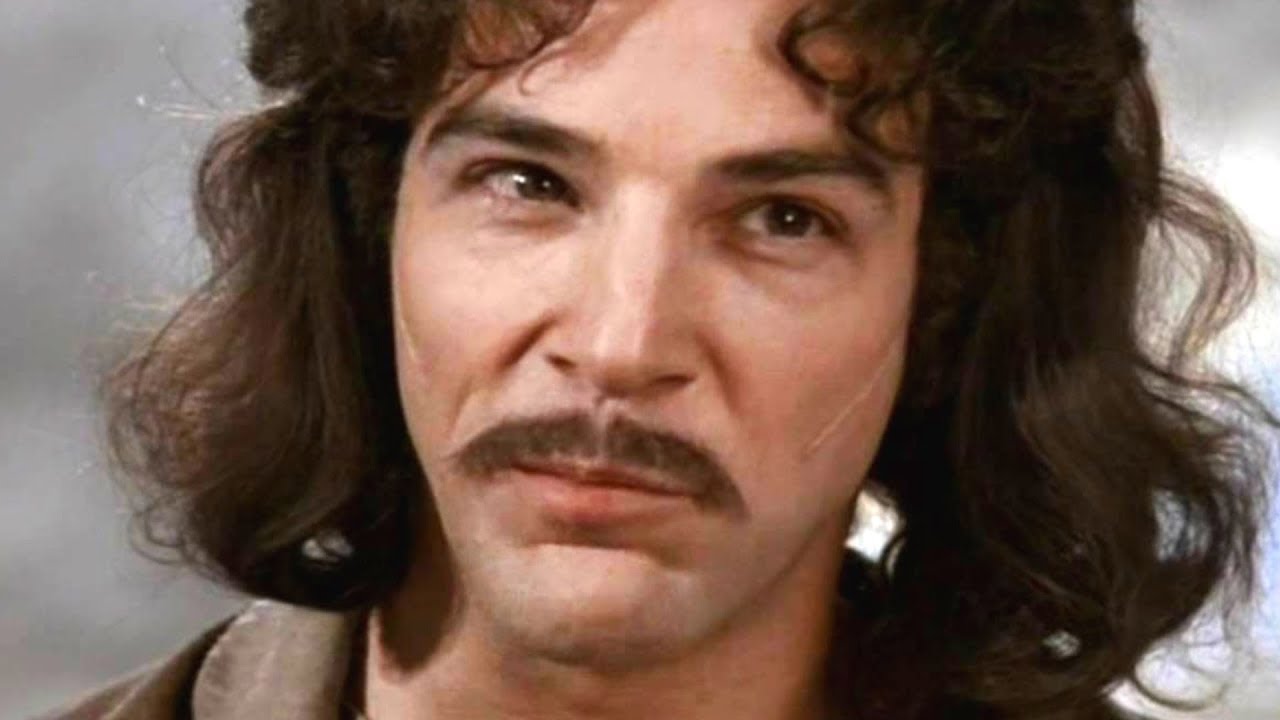
Mike Myers built a reputation as an autocratic presence on his own productions, with co-stars including Dana Carvey and crew on ‘Wayne’s World’ and later ‘The Cat in the Hat’ describing his on-set demands as excessive. Mandy Patinkin has been candid about his own past conduct, acknowledging abrasive and destructive behavior that included abruptly quitting television ensembles — first ‘Chicago Hope,’ later ‘Criminal Minds’ — leaving cast and producers to deal with the fallout.
Jared Leto’s method-acting approach to the Joker for ‘Suicide Squad’ became its own story. His antics reportedly alienated castmates, including sending bizarre, unwanted gifts to colleagues in an effort to stay in character — behavior that several people on the production found less committed than simply strange.
Feuds That Followed the Cast Home
Katherine Heigl’s clashes with peers stemmed less from on-set outbursts and more from what she said publicly. She drew backlash after criticizing the writing on ‘Grey’s Anatomy’ and calling ‘Knocked Up’ sexist, comments that strained relationships with people she’d worked alongside. Her ‘Grey’s Anatomy’ co-star Patrick Dempsey had his own tensions with cast members and producers that spilled into reported off-screen friction on the same set.
Teri Hatcher’s time on ‘Desperate Housewives’ was marked by widely reported alienation from her fellow leading castmates, a dynamic that persisted for years despite the show’s ensemble success. It’s the same pattern that shows up across actors who treat their co-stars like trash more broadly — public success on screen doesn’t always mean anyone behind the scenes actually got along.
None of these reputations kept the work from coming — Kilmer, Baldwin, Willis, and Leto all kept landing high-profile roles well after their respective blowups became public record, which says as much about Hollywood’s tolerance for difficult stars as it does about any of the individual incidents. For a look at how the same dynamic plays out among stars who’ve turned on the people who buy the tickets rather than the people standing next to them on set, Nicki Swift’s rundown on stars treating fans poorly covers similar ground from the other side of the camera.





10 Makeup MISTAKES That Can Age You
Netflix’s YOU Season 3 Explained | Season 4 Teases | Victoria Pedretti, Penn Badgley
These WEAVER ANT NESTS Will Blow Your Mind
Jacob Tremblay Does His Best Seth Rogen and Arnold Schwarzenegger Impressions
Everybody Loves Raymond Stars Who Sadly Passed Away