

 InfoSearched
TikTok’s biggest beauty creators built their fame on transformation videos — and the reveal only works because they show you the bare face first.
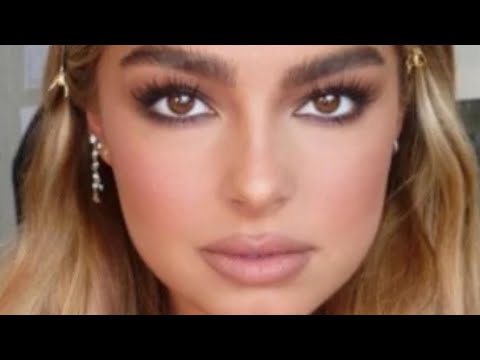
Nicki Swift’s video “What These TikTok Stars Look Like Without Makeup,” released in August 2021, digs into the platform’s beauty economy from both ends: the glam and the bare skin underneath it. Some creators, like Addison Rae, turned that audience into a cosmetics business. Others use their fresh-faced footage to push back on the idea that a filter and a full face are required to be on camera.
The tension runs through nearly every creator the video covers — followers who want the transformation content but then accuse the same creators of being fake, or who criticize them no matter which face they show. It’s a no-win setup that several of TikTok’s top names have addressed head-on.
- Loren Gray, who hosts “Glow Up” and built her following back on Musical.ly, has long said she doesn’t consider herself a beauty guru even while posting detailed tutorials alongside unfiltered selfies.
- Mikayla Nogueira, a former Ulta employee, went viral during the 2020 lockdowns with her “Catfish Challenge” videos showing her natural skin texture and acne before applying full glam.
- Abby Roberts, known for elaborate face-painting effects, openly shows her active breakouts and has said cosmetics don’t define her self-worth.
The Musical.ly Generation Sets the Tone
Loren Gray and Baby Ariel (Ariel Martin) both came up on Musical.ly before it became TikTok, and both have spent years navigating the same double standard. Martin, a pioneer of the app who moved into acting and music, has talked about fans criticizing her both ways — mocked for wearing false lashes and lipstick, then mocked again when she posts bare-faced. Gray has taken a similar approach, pairing step-by-step tutorials with makeup-free photos rather than pretending the two don’t coexist.
That contrast is really the engine of the whole video: creators who are famous for the glam are the same ones making a point of showing what’s underneath it.
Normalizing Acne on Camera
Abby Roberts, the British creator known for intricate, transformative face painting, has built part of her platform around showing active breakouts rather than hiding them.
Cosmetics do not define her self-worth.
Mikayla Nogueira’s “Catfish Challenge” videos work the same way in practice — she shows her skin and acne coverage before the glam goes on, which is exactly the format that made her blow up during the 2020 lockdowns after leaving her job at Ulta.
Fighting the “You Look Like Two People” Narrative
Brooke Monk, known for relatable comedy and beauty content, has repeatedly had to answer fans who insist she’s “99% makeup” or looks like two different people depending on the video. Her response has generally been comedic rather than defensive — she’s posted bare-faced clips joking that without cosmetics she looks 12 years old, turning the criticism into a bit rather than a fight.
Kristen Hancher took a more straightforward route, returning to the platform with makeup-free content rather than engaging with the debate directly. Paige Niemann, meanwhile, occupies a different lane entirely — she’s known for using makeup and styling to closely emulate Ariana Grande, which is transformation content of a different kind than the “here’s my real face” videos from Monk or Roberts.
From Tutorials to Beauty Brands
Not every creator in this space is just posting for engagement. Addison Rae turned TikTok’s massive beauty audience into ITEM Beauty, a full cosmetics line, showing how the same tutorial format that exposes creators’ bare faces can also become the foundation of an actual company. It’s the flip side of the acne-acceptance videos — proof that the platform’s beauty tutorials cut both ways, building brands for some creators while giving others a way to push back on unrealistic standards.
What ties Nogueira, Roberts, Monk and Gray together isn’t a shared message so much as a shared math problem: the tutorial only lands if the before-face is real, and TikTok’s algorithm rewards the creators willing to show it. That’s the same tension that’s made comeback and transformation content a recurring theme across entertainment coverage, from celebrities shutting down disrespectful interviewers to pieces on musicians who are nothing like they seem — the audience wants the real version, right up until it doesn’t match the highlight reel.


Why Gigi And Zayn Want To Hide Khai From The World
Stars With Really Bad Tempers
8,000 YEAR-OLD BARBECUE STYLE – Ancient Inca Food in Peru!
The Truth About What Happened To Aziz Ansari
10 Celebs With HUGE Identity Crisis