

This Is What DOLLS Look Like Without Makeup
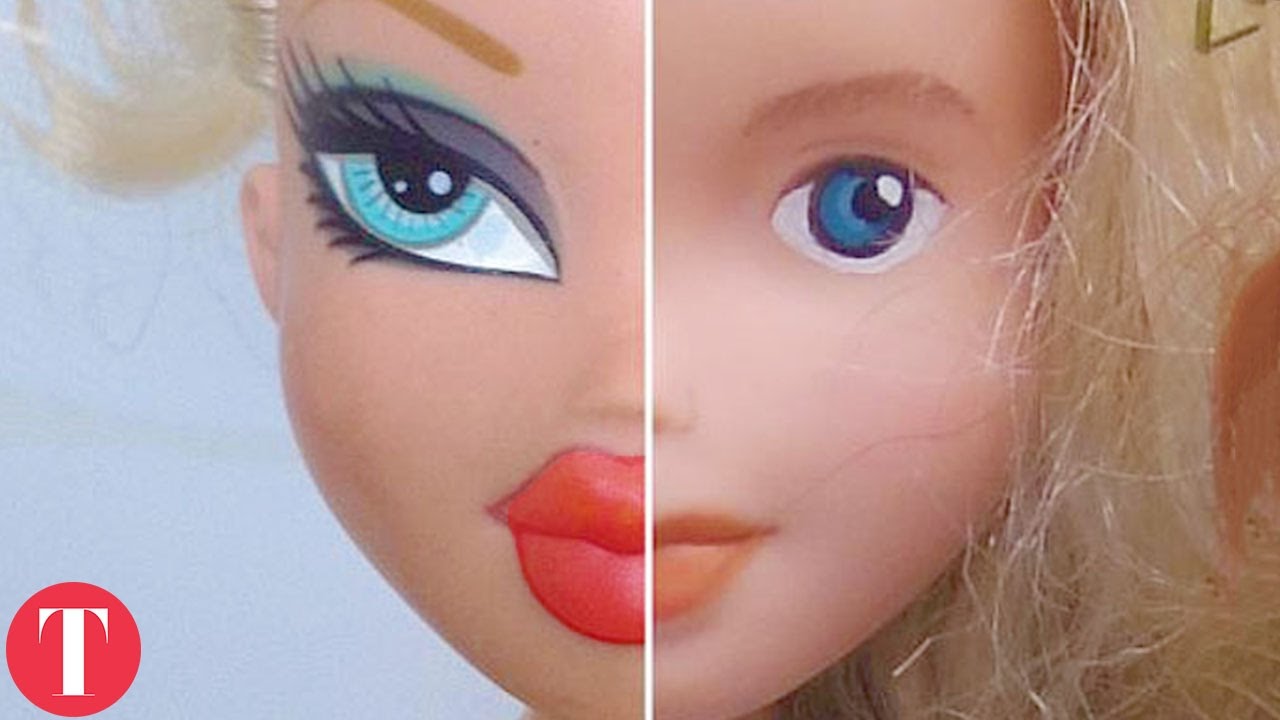

An Australian mum with a bottle of nail polish remover just changed how the world looks at Bratz dolls.
Sonia Singh didn’t set out to start a movement. She just wanted to fix up some secondhand dolls she’d pulled from a Tasmanian tip shop. What she ended up with — a set of Bratz and Barbie dolls scrubbed clean of their factory makeup and repainted with freckles, soft eyes, and modest hand-knitted outfits — turned into a viral sensation called Tree Change Dolls, and it reframed a debate that had been simmering for years about what, exactly, kids are supposed to see when they look at their toys.
- Sonia Singh launched Tree Change Dolls in early 2015, rescuing discarded Bratz and Barbie dolls from Tasmanian tip shops and opportunity shops.
- Singh strips the dolls’ factory makeup using nail polish remover or alcohol, then hand-repaints simpler, natural faces, often adding freckles.
- Her mother hand-knits the modest replacement outfits, while Singh molds new shoes for each finished doll.
The Transformation Process
The before-and-after shots that made Tree Change Dolls famous weren’t staged with fancy equipment. Singh’s method was almost defiantly low-tech: she’d take a doll with heavy factory eyeshadow, an oversized glossy lip, and a hyper-adult expression, and wipe it down with nail polish remover or alcohol until the original plastic face was bare. From there, she repainted by hand — smaller, softer eyes, a natural mouth, and often a scatter of freckles that made each doll look more like an actual kid than a runway model shrunk down to twelve inches.
The clothing mattered just as much as the face. Instead of the skin-tight, midriff-baring outfits Bratz dolls typically ship in, Singh’s mother knitted plain sweaters, simple dresses, and modest layers, while Singh hand-molded new shoes to replace the platform heels the dolls came with. The point wasn’t to make the dolls ugly or boring — it was to make them look like children instead of hypersexualized adults.
The Contrast Provoked Strong Reactions
What made the video and the underlying project resonate wasn’t just the craft — it was the side-by-side comparison. Set the factory Bratz doll next to Singh’s “make-under,” and the gap is jarring: one wears smoky eyes and a come-hither pout, the other looks like it just got off a school bus. That visual contrast is what carried the story past craft blogs and into international news coverage, because it put a concrete image on an argument that had mostly been theoretical — that dolls marketed to young girls had drifted toward an adult, sexualized look that had little to do with actual childhood.
Nail polish remover and alcohol were enough to wipe away the dramatic eyeshadow and glossy lips — the transformation didn’t require anything more sophisticated than that.
The debate Singh’s dolls tapped into wasn’t new. Parents and child-development advocates had been raising concerns for years about how far toy fashion lines like Bratz had pushed makeup, clothing, and body proportions toward an aesthetic borrowed straight from adult pop culture and, at times, from the modeling industry — a criticism that echoes the same scrutiny applied to how young is too young to be styled for adult-facing image standards. Tree Change Dolls gave that criticism a physical, shareable before-and-after instead of just an op-ed argument.
Rescue, Not Retail
Part of what made the project land was where the dolls came from. Singh wasn’t buying new stock — she was combing through Tasmanian tip shops and opportunity shops for dolls other families had thrown out or donated. Each one she picked up was already damaged goods in some way, matted hair, scuffed paint, missing shoes, and she turned that secondhand status into the whole appeal: nothing here was manufactured to sell, it was upcycled to look real.
That distinction is why the project got compared more to a craft revival than a toy-industry rebrand. Singh wasn’t lobbying Mattel or MGA Entertainment, the companies behind Barbie and Bratz respectively, to change their factory designs. She was working doll by doll, tip shop by tip shop, and letting the finished product make the argument on its own — the same way the appeal of a natural look has driven scrutiny of polished, camera-ready standards elsewhere, from beauty pageants to the winners of modeling competitions once the cameras stop rolling.
A Bigger Conversation About Body Image
By the time the story spread past Australia, it had stopped being just about doll faces. Parents used the before-and-afters to talk about the broader message kids absorb from toy shelves — that beauty means heavy makeup, exaggerated features, and clothes built for a much older body. Singh’s freckled, plainly dressed dolls became a stand-in for a simpler ask: let toys look like the kids playing with them.
Singh never scaled Tree Change Dolls into a factory operation — it stayed a hand-repainted, tip-shop-sourced project, one doll and one bottle of nail polish remover at a time, which is a big part of why the before-and-afters felt real instead of like a marketing stunt.

The Most Devastating Claims Aaron Carter Has Ever Made About His Family
Pastry Chef Attempts to Make Gourmet Pop Rocks | Gourmet Makes | Bon Appétit
The Untold Truth Of Teen Star Jojo Siwa
The Most Uncomfortable Letterman Interviews Ever
10 Most DARING OUTFITS On The Red Carpet