

10 Shocking Facts About Korea’s Billion Dollar Beauty Industry
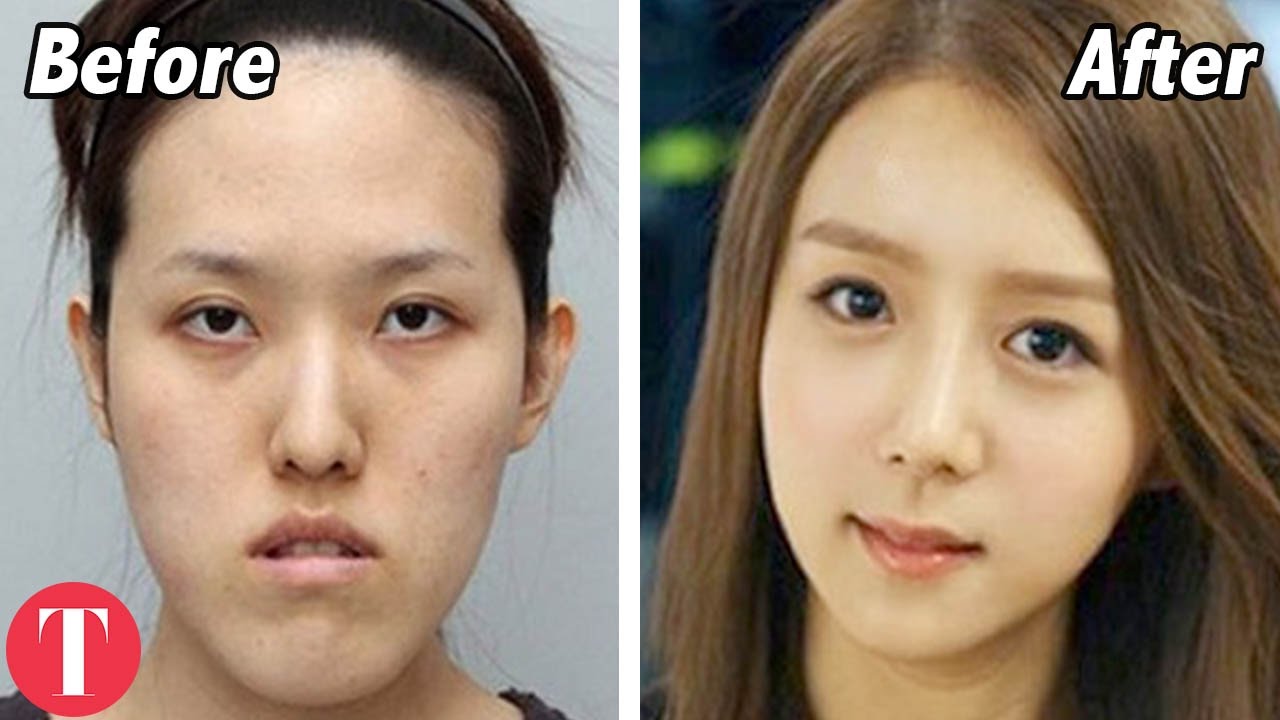

South Korea sells the world flawless skin — and quietly leads it in surgical knives, too.
No country has rewritten its own beauty standard as aggressively, or as profitably, as South Korea. Fueled by the global spread of K-pop and Korean dramas, the country now controls roughly a quarter of the world’s cosmetic surgery market while its skincare brands export sheet masks and cushion compacts to shelves everywhere from Sephora to Seoul’s own Myeongdong district. The same culture that gave the world ten-step skincare routines also built an industry where teenagers get double-eyelid surgery as a graduation gift.
- South Korea commands about a quarter of the global cosmetic surgery market and is widely called the “plastic surgery capital of the world.”
- An estimated one in five South Korean women has had a cosmetic procedure, compared with roughly one in twenty American women, with acceptance of surgery climbing from 38 percent in 1994 to 66 percent by 2015.
- The extreme-makeover series “Let Me In” drew heavy backlash for parading insecure applicants and their apologetic parents on air before it was cancelled in 2015.
The Scale of the Surgery Boom
Blepharoplasty — double-eyelid surgery — and jaw contouring have become so normalized in South Korea that they’re routinely given to high schoolers as graduation presents, a rite of passage as unremarkable to some families as a new laptop. The math behind the “plastic surgery capital” label is stark: one in five South Korean women has gone under the knife for cosmetic reasons, against about one in twenty in the United States, and public acceptance of the practice nearly doubled in two decades, from 38 percent in 1994 to 66 percent by 2015.
That shift didn’t happen in a vacuum. The rise of K-pop idols and Korean drama stars as the visual template for an entire generation pushed unrealistic aesthetic benchmarks into the mainstream, and the pressure to match a narrow, uniform look filtered down from screen to street.
Employment Surgery and the Resume Photo
South Korea’s job market adds its own layer of pressure that has nothing to do with vanity and everything to do with survival. Corporate resumes commonly require a headshot, and in an intensely competitive hiring environment, physical appearance can directly sway whether a candidate gets called back. That reality gave rise to what’s bluntly known as “employment surgery” — procedures undertaken specifically to look more hireable before graduation or a first job search.
An estimated one in five South Korean women has undergone a cosmetic procedure — roughly four times the rate in the United States.
“Let Me In” and the Media Backlash
Television amplified the pressure rather than questioning it. “Let Me In,” an extreme-makeover series, featured people — sometimes alongside apologetic parents — pleading on camera for surgical transformations to escape social ostracization tied to their looks. Critics accused the show of exploiting the very insecurities it claimed to fix, and the backlash was significant enough that the program was cancelled in 2015.
The Skincare Export Machine
Alongside the surgical side of the industry, South Korea built a skincare and cosmetics manufacturing sector that turned into an international export juggernaut. Multi-step preventative routines and format innovations like sheet masks and cushion compacts became the country’s calling card abroad, with brands such as AmorePacific expanding into markets across the US, Europe, China, and Japan. What started as a domestic response to intense aesthetic pressure at home turned into one of the country’s most lucrative global exports, with K-beauty’s share of the worldwide cosmetics market projected to keep climbing through the following decade.
The men’s side of the market followed the same trajectory. Male grooming, once a niche category, grew into a genuine business line as skincare regimens spread beyond women, with projections at the time pointing toward a market worth more than a billion dollars within a few years — proof that the routines popularized by K-pop idols and their punishing beauty schedules had reshaped buying habits far beyond the entertainment industry itself.




KSI – Holiday [Official Music Video]
Ben Askren looks back at KO loss vs. Jorge Masvidal | Ariel Helwani’s MMA Show
Stars From All In The Family You Didn’t Know Passed Away
10 STRANGE Requirements To Work As A Disney Princess
A Tribute To Grant From Fellow Creators