

THIS Is How Lipstick Is Made
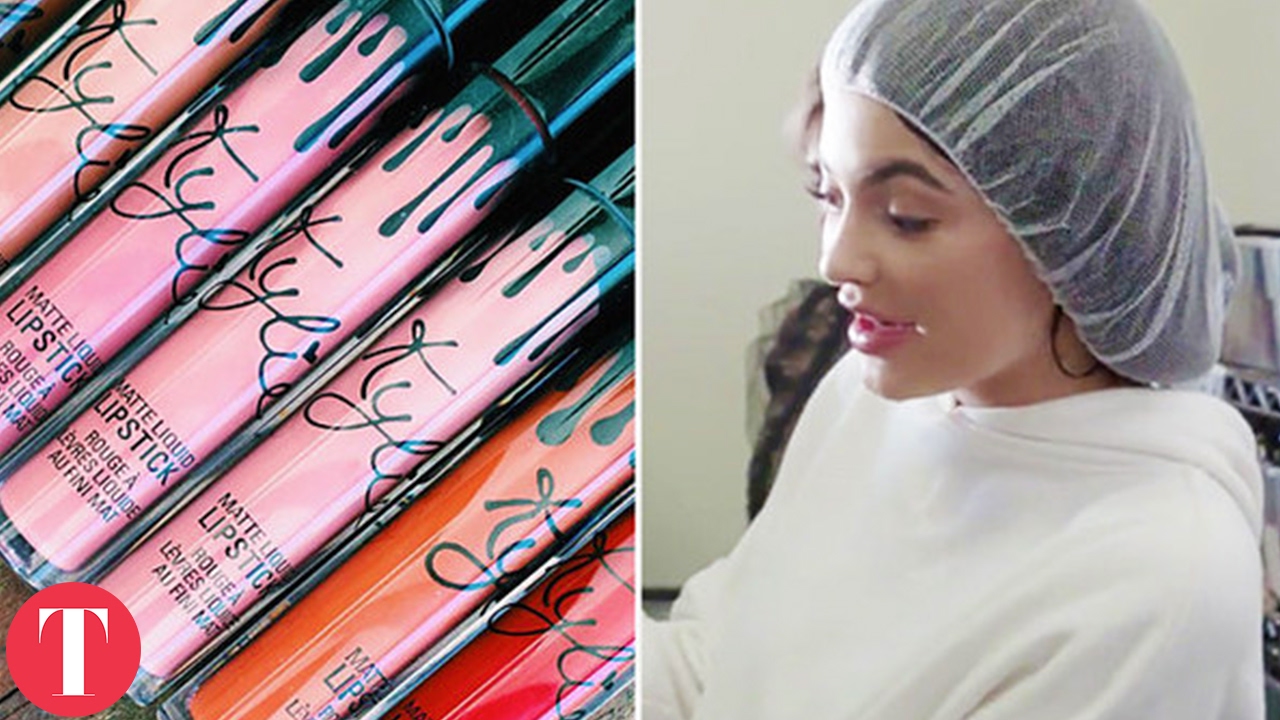

Every tube of lipstick that’s ever slicked across a red carpet started as a vat of melted wax and a slurry of pigment paste.
TheThings Celebrity’s video “THIS Is How Lipstick Is Made” pulls back the curtain on a manufacturing process most people never think about while reapplying between takes or before a night out. It’s not a simple pour-and-set job — it’s a precise blend of oils, waxes and pigments that has to survive melting, milling, molding and an open flame before it ever reaches a compact.
- Lipstick formulas run roughly 50% to 70% oils (castor oil, mineral oil, lanolin), 20% to 30% waxes (beeswax, candelilla, carnauba) and 5% to 15% pigment, with the last 1% made up of preservatives, antioxidants and fragrance.
- Pigment paste is forced through a three-roll mill or a high-shear rotor/stator mixer to break up clumped particles so the color goes on without streaking.
- The finished sticks are briefly run through a direct flame or heat tunnel — a step the industry calls “flaming” — to melt away surface flaws and give the bullet its glossy shine before it’s set into the twist-up case.
The Ratio That Makes Or Breaks A Formula
Every lipstick starts as a math problem before it’s a color. Formulators lean on oils for the bulk of the mix — 50% to 70% of the formula — because oils are what carry moisture and shine and let the pigment glide instead of drag. Waxes make up the next 20% to 30%, and this is where carnauba earns its reputation; it’s the highest-melting-point wax commonly used in cosmetics, and it’s what keeps a lipstick from turning to mush in a hot car or a warm purse. Beeswax and candelilla round out the structural backbone.
Pigment is the smallest slice by weight — typically 5% to 15% — but it’s the ingredient consumers actually judge the product by. Get the ratio wrong in either direction and you end up with a stick that’s either too soft to hold its shape in the tube or too waxy and chalky to apply evenly on skin.
Milling The Pigment Until It Disappears
Before pigment ever meets wax, it gets blended with oils and solvents into a paste and run through mechanical grinding equipment — a three-roll mill or a high-shear rotor/stator mixer, depending on the manufacturer’s setup. The goal is deceptively simple: break down every clumped particle of pigment until the color disperses evenly through the paste, because any leftover agglomeration shows up on the lips as a visible streak or fleck.
The pigment grind has to be smooth enough that not a single clump survives before it ever touches the melted wax.
Only once that grind passes inspection does it get combined with the hot wax mass and blended into a single uniform batch.
Fighting Air Bubbles And Pouring The Bullet
Trapped air is the enemy of a clean lipstick bullet. If bubbles get sealed into the mix, they show up later as pits, cracks or weak spots that snap the stick in half the first time it’s dropped. Manufacturers pull that air out with vacuum equipment or continuous slow agitation before the liquid melt ever reaches a mold.
Once the mixture is air-free, it’s poured at a controlled temperature into metal molds shaped to produce that familiar bullet profile — the same rounded, angled tip you twist up out of the tube. The filled molds are cooled rapidly to lock the shape in place, then the solidified sticks are extracted and fitted into the mechanical twist-up dispensers that make up the housing.
Flaming, Testing And The Regulatory Reality
Even a well-poured stick can come out of the mold with surface imperfections, so factories run the finished bullets briefly through a direct flame or a heat tunnel — the “flaming” step — to melt away flaws and leave the glossy, uniform shine shoppers expect on the shelf. Because lipstick gets ingested in small amounts every time someone wears it, production happens in sanitary facilities held to FDA and international cosmetic standards, with batch testing for color consistency, melting stability and safety built into the line before a single tube ships.
That level of scrutiny is part of why beauty brands can charge a premium for a product that, ingredient-for-ingredient, is mostly wax and oil — the same logic that drives up the price tag on other glamour-industry staples, from red-carpet gowns down to the most expensive royal wedding dresses.
None of that changes what’s actually happening in the vat: oil, wax, pigment, heat, a mold and a flame, in that order, every single time a tube gets filled — which is worth remembering the next time you’re deciding between a $4 drugstore shade and a $34 department-store one, because the manufacturing steps behind both are nearly identical.


![Floyd Mayweather vs Logan Paul: Fight goes the distance [Highlights, recap] | CBS Sports HQ](https://entertainment.infosearched.com/wp-content/uploads/sites/5/2021/06/47632-floyd-mayweather-vs-logan-paul-fight-goes-the-distance-highlights-recap-cbs-sports-hq.jpg)




10 Disney Inspired Makeup Products You Can Buy RIGHT NOW
The Most Uncomfortable Reality TV Scenes Ever Filmed
Carmelo Anthony doesn’t deserve a farewell tour – Stephen A. | First Take
2 Chainz Drinks $450K Tequila | Most Expensivest | GQ & VICELAND
Stars Who Stayed Together After Cheating Scandals