

What White House Aides Call Ivanka Trump
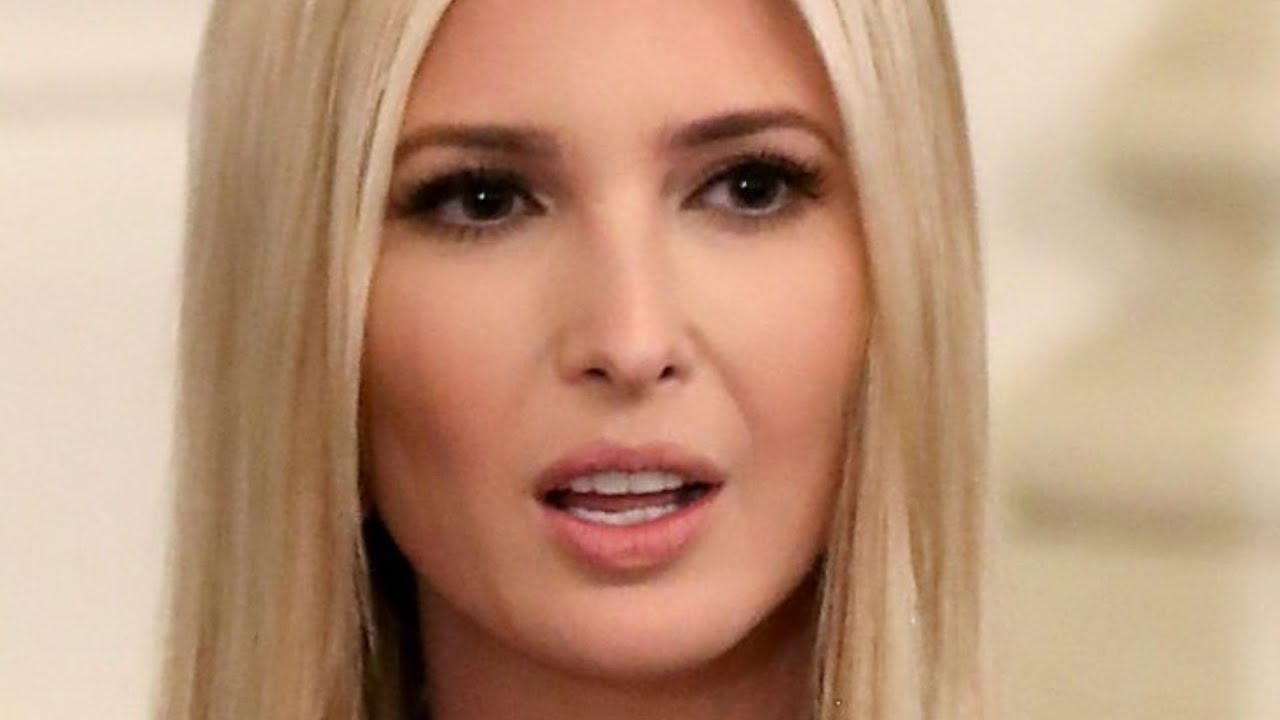

Behind closed doors at the West Wing, staffers had their own name for Ivanka Trump — and it wasn’t flattering.
Ivanka Trump walked into the White House in 2017 with a title — Senior Advisor to the President — and no paycheck to go with it. Her official mandate covered workforce development, STEM education, skills training and paid family leave, respectable policy turf by any measure. But according to multiple former aides, the way colleagues talked about her when she wasn’t in the room told a very different story.
- Disgruntled West Wing staffers reportedly nicknamed her the “Princess Royal,” or simply “The Princess,” mocking her perceived entitlement and the sense that she operated under her own set of rules.
- The friction traced back to accusations of nepotism, her habit of sidestepping standard White House protocols, and divided loyalties between career staffers and family members occupying senior roles.
- An August 2018 Refinery29/CBS News poll found just 18 percent of millennial women ages 18 to 35 viewed her favorably, versus 46 percent unfavorable and 36 percent undecided.
An Undefined Portfolio, an Outsized Footprint
On paper, Ivanka Trump’s job was narrow: push workforce training programs, champion STEM initiatives for girls, and lobby for paid family leave. In practice, her reach inside the building went well beyond that brief. She sat in the West Wing alongside her husband, Jared Kushner, with access to meetings and principals that plenty of formally credentialed staffers never got near.
That gap between her defined title and her actual influence is exactly what generated resentment. Aides who’d spent years climbing the ranks of campaigns and federal agencies watched a first daughter with no government experience walk into rooms they couldn’t enter — and they didn’t stay quiet about it, at least not to each other.
Origin of the Princess Royal Title
The “Princess Royal” tag wasn’t just a jab at her last name. Former aides described it as shorthand for a specific set of complaints: a sense that she expected deference regardless of rank, that she was shielded from the normal accountability other staffers faced, and that “palace intrigue” — protecting her standing, protecting her brand, protecting her father’s opinion of her — mattered more to her operation than the policy churn happening around her.
Those same complaints fed into broader accusations of nepotism that dogged both Ivanka and Kushner throughout the administration. Critics, including some inside the building, argued that family ties had bought access that talent and tenure hadn’t.
Only 18 percent of millennial women told pollsters they viewed her favorably — 46 percent said the opposite.
A Polarized Public to Match the Polarized Staff
The internal grumbling lined up with public polling. The August 2018 Refinery29/CBS News survey found just 18 percent of women ages 18 to 35 viewed Ivanka favorably, compared to 46 percent unfavorable, with 36 percent still undecided. For a woman who’d built a public persona around female empowerment and workplace advancement, that number among young women specifically was a rough one to swallow.
It fit a pattern that stretched across the administration’s family members. Similar questions about behavior, judgment and public perception followed other Trump relatives long after they’d left official roles, and the scrutiny on unelected family advisors working inside a White House was hardly limited to her.
Sidestepping Protocol, Straining Loyalty
Multiple aides pointed to her habit of bypassing normal channels — going straight to the President, straight to a Cabinet secretary, straight to whoever could move her initiatives, rather than working through the chain that everyone else had to respect. That kind of shortcut is common enough among family members in politics, but inside a White House staffed by people who’d earned their seats through campaigns and agency work, it read as a double standard. It’s the same tension that’s fueled endless coverage of how officials handle themselves under public scrutiny — the gap between how insiders behave and how they’re perceived once it leaks out.
Ivanka never publicly addressed the “Princess Royal” nickname, and the White House never confirmed it as widespread usage beyond the aides who spoke to reporters. But between the internal nickname and the 46 percent unfavorable number among young women, the picture by late 2018 was consistent: an unpaid advisor with a real policy portfolio, working next to real skepticism from the people she worked alongside every day.


Rich and Jay Talk About The Boys
10 Things That Never Go Out Of Style
Primitive Technology: Crossdraft kiln
Here’s What Brad Pitt Thinks About Shiloh Jolie-Pitt’s Red Carpet Appearances
The Untold Truth Of Justin Bieber