

10 Times Kids Beauty Pageants Sent The Wrong Message
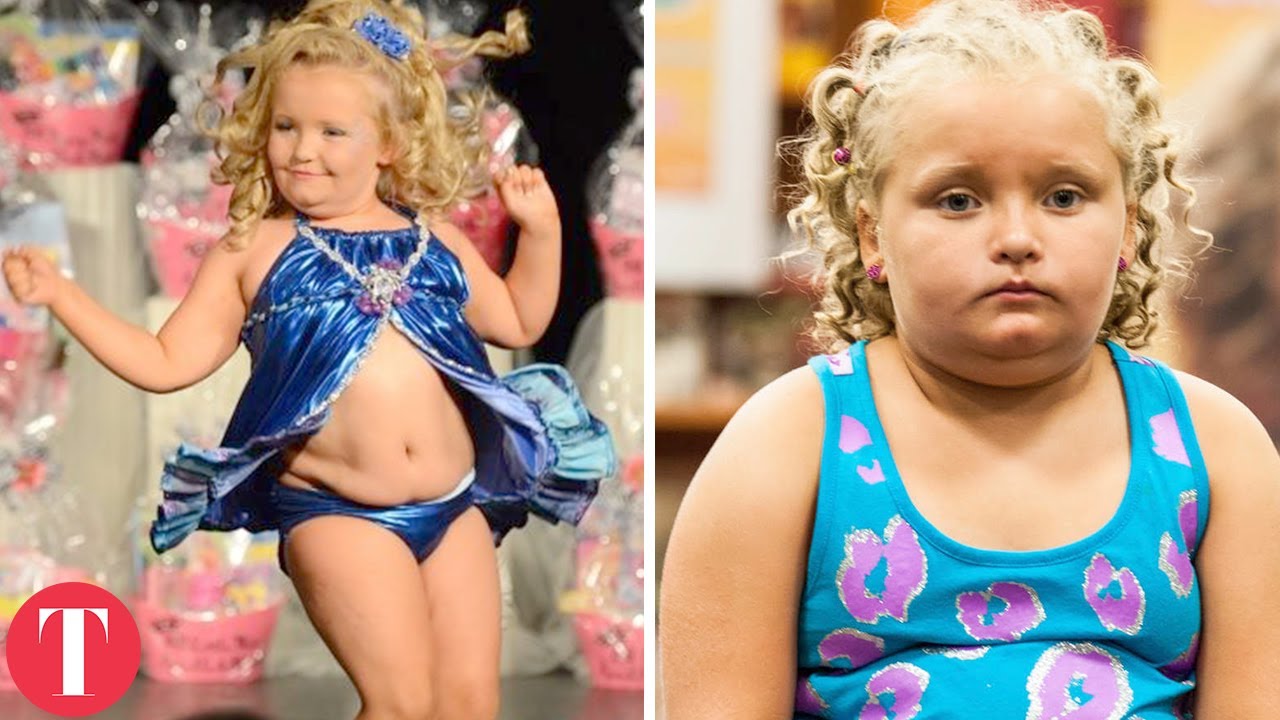

Ten moments from “Toddlers & Tiaras” culture that made a $5 billion industry impossible to defend.
Long before anyone debated reality TV’s effect on children, TLC’s “Toddlers & Tiaras” put America’s glitz pageant circuit under a microscope it never asked for. A new breakdown, “10 Times Kids Beauty Pageants Sent The Wrong Message,” walks through the specific routines, costumes, and coaching decisions that turned toddlers into contestants judged on adult standards of glamour. The video doesn’t argue in the abstract — it points to actual pageant moments that drew outrage, then explains the psychology behind why they mattered.
- Child pageantry is estimated at a $5 billion industry in the U.S., with roughly 250,000 children competing across thousands of events every year.
- Documented controversies include a contestant performing with a fake cigarette, a child wearing fake breasts, and another dressed as Julia Roberts’ prostitute character from “Pretty Woman.”
- Psychologists cited in the video link pageant conditioning — seeking approval through adult sexuality — to increased risk of poor self-esteem, distorted body image, and eating disorders like anorexia and bulimia.
The Glitz Pageant Formula
What separates “glitz” pageants from local scholarship-style competitions is the full adult transformation: spray tans, acrylic nails, hair extensions, false eyelashes, and heavy stage makeup applied to girls as young as toddlers. Add professional coaching for high-glamour poses and evening gowns modeled on adult formalwear, and the aesthetic bar gets set by contestants decades older than the kids wearing it. The video frames this not as an isolated bad routine but as the standard operating procedure across much of the circuit that “Toddlers & Tiaras” made famous.
That formula is exactly what fueled the show’s most quoted controversies — the fake cigarette prop, the padded costume, the “Pretty Woman” homage — each one a case where a routine built for laughs or shock value ended up broadcast into millions of living rooms. Those moments didn’t play as satire on TV; they played as evidence that some pageant parents and coaches were choosing shock over judgment.
Experts Analyze Economic Fallout Impacts
The video leans on developmental psychology to explain why the routines matter beyond good taste. Experts quoted argue that children trained to chase adult validation through sexualized performance face measurable downstream risk — not just discomfort with their appearance, but clinical outcomes like anorexia and bulimia tied to distorted body image formed young.
Children conditioned to seek approval through adult sexuality face increased risks of poor self-esteem, distorted body image, and eating disorders.
That’s the throughline connecting all ten examples: it isn’t one bad costume choice, it’s a system that repeatedly rewards a narrow, adult-coded version of beauty and calls it a talent. Similar criticism has trailed other TLC-branded family programming, including the network’s other reality shows built around unconventional family dynamics, where the line between entertainment and exploitation has drawn the same scrutiny.
The Defense From Pageant Families
The video doesn’t ignore the counterargument. Parents and pageant organizers featured in coverage of the circuit maintain that competing builds real public poise, stage confidence, and sportsmanship in kids who might otherwise struggle to perform under pressure. Some point to categories that offer social inclusion for children with disabilities as evidence the circuit isn’t purely about appearance.
Critics push back that those benefits don’t require makeup, spray tans, or evening gowns modeled on adult formalwear — and that judging young girls primarily on artificial aesthetic standards strips away the childhood part of childhood in exchange for a commercialized product built for someone else’s financial reward.
That tension — poise-building versus commercial exploitation — is exactly why “Toddlers & Tiaras” kept finding an audience even as it kept generating backlash: viewers tuned in disagreeing with what they were watching, which is its own kind of ratings success.





10 Things You Didn’t Know About Kylie Jenner’s Squad
10 Hot Guys The Disney Girls Are Dating
The Real Reason Megyn Kelly Is Leaving NBC
Julian Newman Throws Ball Off Mikey Williams’ Head, Then Mikey GOES OFF! Julian Challenges Kyree ????
This Is What Happens When You Stop Wearing Makeup