

 InfoSearched
Ten inkblot-style images, one video, and a personality test you can take in under three minutes.
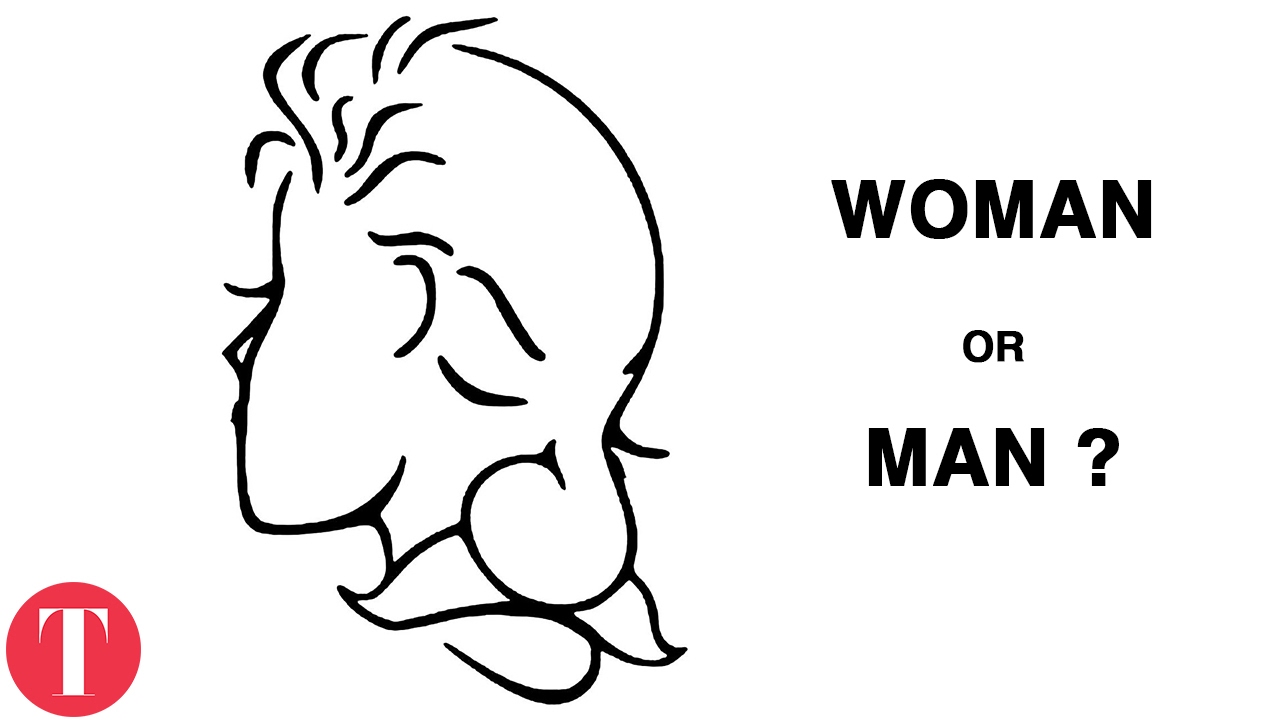
TheThings, the digital entertainment outlet that built a following on quick-hit celebrity and pop-culture listicles, put its own spin on the viral personality-quiz format with “10 Photos To Test Your Personality.” The video leans on projective testing — the same principle behind the classic Rorschach inkblot exercise — asking viewers to name the first thing they notice in each of ten deliberately ambiguous illustrations. What you spot first, the video argues, says something real about how your brain is wired.
- The video uses ten ambiguous illustrations and optical-illusion-style images, asking viewers what they notice first in each one.
- The format is built on projective testing, the psychological concept behind the Rorschach inkblot test, rather than formal clinical diagnosis.
- Depending on what a viewer spots first — a foreground silhouette versus background scenery, for example — the video assigns traits like confidence, intelligence, analytical thinking, artistic creativity, or emotional intuition.
The Inkblot Logic Behind The Quiz
Projective tests work on a simple premise: when an image is genuinely ambiguous, your brain fills in the gaps using its own default patterns, not the picture’s actual content. That’s the same logic Hermann Rorschach built his inkblot cards around nearly a century ago, and it’s the exact mechanic TheThings borrows for this compilation. Each of the ten photos is constructed so that at least two readings are equally plausible — a shape can be a face or a vase, a scene can read as a landscape or a hidden object — and the video times its reveal around whichever detail catches the eye first.
Contemporary coverage of the format, including a January 2017 feature in South Africa’s North Glen News, framed these compilations as part of a broader wave of shareable “spot it first” content flooding YouTube and Facebook feeds that season. The appeal is obvious: no quiz questions to answer, no sign-up wall, just a picture and an instant, personalized-feeling result.
Purpose of Each Answer
The trait assignments in the video track fairly closely with pop-psychology shorthand that’s been recycled across dozens of similar quizzes. Noticing a silhouette in the foreground before the background scenery, for instance, tends to get coded as confidence or assertiveness, while catching the background detail first is read as a sign of a more analytical or detail-oriented mind. Other images in the set are built to separate viewers who notice color and pattern first — flagged as artistic or creative — from those drawn to structure and shape, flagged as logical or intelligence-leaning.
Depending on what a viewer spots first — a foreground silhouette versus background scenery — the video assigns traits ranging from confidence and analytical thinking to artistic creativity and emotional intuition.
None of it is presented as clinical assessment, and the video doesn’t pretend otherwise. It’s gamified self-reflection content, engineered for a viewer to screenshot their result and compare notes with friends rather than take it to a therapist’s office.
Enduring Success of the Genre
TheThings launched in 2015 as a lifestyle and pop-culture platform and, like a lot of digital-first outlets in that era, found that low-production, high-shareability formats outperformed heavier reporting on raw engagement. Personality quizzes, optical illusions, and “what do you see first” compilations became a reliable lane precisely because they ask almost nothing of the viewer beyond a few seconds of attention and an honest first impression. It’s the same instinct that fuels celebrity doppelgänger roundups and “who’s nothing like they seem” breakdowns elsewhere in entertainment coverage — content that turns the audience itself into the story.
The ten-image structure also mirrors the pacing of other short-form list videos that do well on the same channels, the kind built around a countdown that rewards viewers for sticking around to the last entry.
Reading The Results For Fun, Not Diagnosis
The video is careful, at least implicitly, to keep its claims modest — it’s framed as an exercise in noticing your own instincts, not a substitute for anything a psychologist would administer. That distinction is what separates this kind of content from actual projective testing: Rorschach’s method requires trained interpretation across dozens of response categories, while TheThings’ version hands out a single trait per image and moves on.
Whether a viewer walks away convinced they’re “the analytical type” or just amused that they and a friend saw completely different things in the same picture, that’s the whole transaction — ten pictures, ten quick reads, and a result you can screenshot before the next video autoplays.

![Nardo Wick - Me or Sum (feat. Future & Lil Baby) [Official Video]](https://entertainment.infosearched.com/wp-content/uploads/sites/5/2022/02/50882-nardo-wick-me-or-sum-feat-future-lil-baby-official-video.jpg)


KATY PERRY VS. FLAME LAWSUIT: Let’s Compare!
Marvel Movie Villains Who Are Gorgeous In Real Life
The Untold Truth Of Burt Reynolds
The Shady Truth About Taylor Swift
Coast Guard Dude Surfs a Narco-Sub Packed With Cocaine