

The Former Cosby Show Star Who Now Works At Trader Joe’s
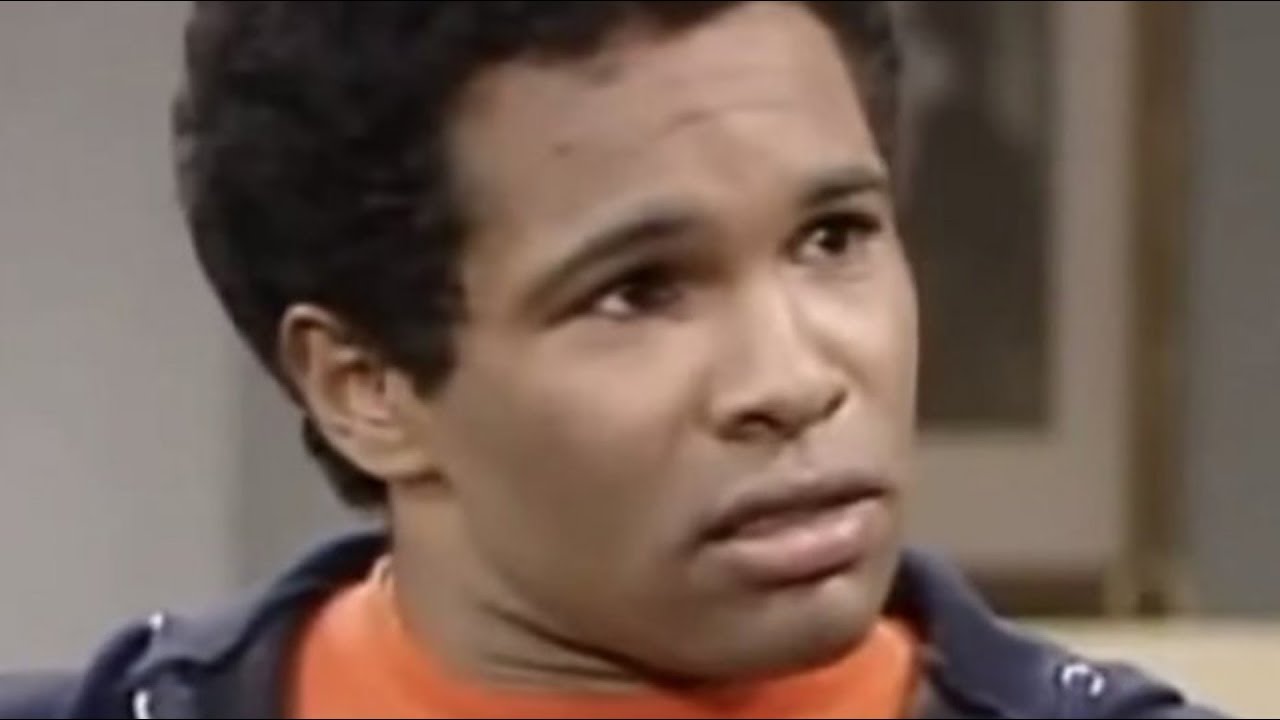

A single grainy grocery-store photo turned a former sitcom star into the center of a national conversation about work and dignity.
Geoffrey Owens spent seven seasons playing Elvin Tibideaux, the good-natured son-in-law on The Cosby Show, from 1985 to 1992. Nearly three decades later, a shopper’s candid snapshot of him ringing up groceries at a Trader Joe’s in Clifton, New Jersey, put him back in headlines — not for a new role, but for the job he was doing between them.
- Radar Online and the Daily Mail published shopper-taken photos of Owens working the cash register at the Clifton, New Jersey Trader Joe’s, estimating he earned roughly $11 an hour.
- Cosby Show syndication residuals dried up after Bill Cosby’s sexual assault trial and convictions, cutting off income Owens and other cast members had long relied on.
- Owens had continued landing guest-starring TV roles and theater work alongside the grocery job to support himself and his family.
The Photo That Started It All
The images that surfaced showed Owens in a Trader Joe’s apron, scanning items at the register like any other employee. Radar Online’s initial framing leaned hard into pity, labeling him a “starving artist” and putting a dollar figure on his hourly wage. The Daily Mail picked up the story soon after, and it spread fast across entertainment blogs and social media.
He was called a “starving artist” probably making about $11 an hour — the label that kicked off the entire controversy.
From Elvin Tibideaux To The Checkout Line
For viewers who grew up on The Cosby Show, seeing Owens behind a register was jarring precisely because of who he’d played. Elvin was a steady, likable presence on one of the most-watched sitcoms of the 1980s, and the contrast between that role and a $11-an-hour retail shift is exactly what made the photos spread. It’s the same instinct that fuels retrospectives like That ’70s Show’s cast transformation pieces — audiences fixate on the gap between the character they remember and the person living an ordinary life now.
The Backlash Turns Into A Bigger Conversation
What began as job-shaming curdled quickly. Commenters and fellow actors pushed back on the framing that a grocery job was somehow an embarrassment for someone with Owens’ credits, turning the story into a debate over how the industry — and the public — treats working actors who take steady paychecks between roles. The pile-on directed at Owens echoed the kind of tabloid-driven pile-ons chronicled in pieces like reporters who ruined their careers on social media, where a single unflattering angle on a story ends up defining the coverage more than the facts do.
The Financial Fallout From The Cosby Scandal
Part of what made the story resonate is the money trail behind it. Once Bill Cosby’s sexual assault trial ended in convictions, syndication deals for The Cosby Show dried up, and with them went residual checks that cast members like Owens had counted on for years. That left him piecing together income from guest TV spots, theater roles, and — as the photos showed — retail work, none of which is unusual for working actors but all of which became newly visible once his face was attached to a cash register.
The photos kept circulating through the end of August with no official comment from Owens beyond what had already spread online, and the $11-an-hour figure stuck as the detail everyone repeated — a number that said less about Owens than about how quickly people were willing to judge it.






Celebrities Who Treat Their Significant Others Like Trash
The Lighthouse | Official Trailer HD | A24
The SHADY Side Of Kylie Jenner
The Untold Truth Of Nina Dobrev Revealed
David Arquette Confirms What We Suspected About Working With Courteney Cox