

 InfoSearched
Three different reporters, three different platforms, one identical ending: a tweet or a hot mic clip that cost them the job.
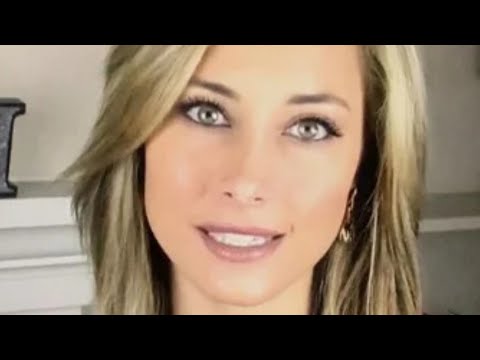
Nicki Swift’s video breakdown, Reporters Who Ruined Their Careers On Social Media, walks through a run of newsroom staffers whose off-the-cuff posts and unguarded comments collided with the strict impartiality standards their employers demanded. From a veteran ABC correspondent caught on hidden camera to a Des Moines Register reporter undone by his own old tweets, the throughline is the same: in the social media era, a single post can travel faster than any correction.
- David Wright, an ABC News correspondent of nearly two decades, was suspended and pulled from political coverage in February 2020 after Project Veritas released undercover footage of him calling himself a “socialist” and criticizing the network’s news priorities.
- Aaron Calvin, the Des Moines Register reporter who profiled viral charity fundraiser Carson King in 2019, was fired after his background dig into King’s old offensive tweets triggered a backlash that surfaced Calvin’s own past racist and homophobic posts.
- Octavia Nasr, CNN’s senior editor of Middle East affairs, was dismissed in 2010 after tweeting condolences for a Hezbollah-linked cleric and calling him “one of Hezbollah’s giants I respect a lot.”
David Wright And The Project Veritas Sting
David Wright had spent almost twenty years as a correspondent for ABC News, covering national politics with the kind of tenure that usually insulates a reporter from scrutiny. That changed in February 2020, when Project Veritas published hidden-camera footage of Wright at a private gathering, describing himself as a “socialist” and openly complaining that ABC’s coverage decisions were driven by corporate self-interest rather than journalism. ABC suspended Wright immediately and stripped him of political assignments, treating the footage as clear evidence that his personal views had compromised the appearance of neutral reporting.
The Wright case became a reference point for exactly how far networks will go to protect the appearance of balance — even against a reporter with two decades of institutional credibility behind him.
Aaron Calvin And The Carson King Backlash
Carson King’s 2019 charity drive was one of the year’s feel-good viral stories, and Aaron Calvin’s assignment for the Des Moines Register was straightforward: profile the guy who’d raised over a million dollars for a children’s hospital after a sign flashed on ESPN’s College GameDay. Standard background research on King turned up racist jokes he’d posted on Twitter as a teenager years earlier, and when the paper included that detail, the backlash was immediate and fierce.
The story didn’t stay one-sided for long. Social media users turned the same scrutiny back on Calvin, digging up his own old racist and homophobic tweets. The Des Moines Register fired him within days, a decision that turned Calvin’s case into a cautionary tale about how the same digital-archaeology tactics reporters use on subjects can just as easily be used on the reporters themselves.
Octavia Nasr’s Single Tweet
Octavia Nasr had built a reputation over years at CNN as the network’s senior editor for Middle East affairs, a role that depended on being seen as neutral across one of the most politically fraught regions in the world. In July 2010, she tweeted that she was “sad to hear” of the death of Grand Ayatollah Sayyed Mohammed Hussein Fadlallah, adding that he was “one of Hezbollah’s giants I respect a lot.” CNN determined the comment compromised her editorial impartiality and dismissed her days later.
“One of Hezbollah’s giants I respect a lot.”
Nasr’s firing underscored how little room networks give senior editors for personal commentary on subjects tied directly to their beat, regardless of years of institutional trust built up beforehand.
Local Newsrooms Enforce The Same Standard
The pattern repeats well below the network level. Regional anchors and digital producers across local stations have been terminated on short notice after posting partisan commentary, racially charged jokes, or derogatory remarks about public figures on Twitter and Facebook. Unlike national correspondents, local personalities often have far less institutional leverage to survive the fallout, and stations have leaned into swift terminations to signal that social media guidelines apply at every level of the newsroom, not just to on-air talent with decades of tenure.
These cases sit alongside similar reckonings across entertainment, detailed in Nicki Swift’s companion piece on actors who ruined their careers on social media, and echo the same scrutiny politicians face whenever a stray comment gets caught on a hot mic, as chronicled in inappropriate things politicians said on live TV.
What ties Wright, Calvin, and Nasr together isn’t ideology — it’s timing. Each post went up without a second thought, and each network responded within days, not weeks, because the alternative was letting the story run longer than the correction ever could.

Yo Gotti – Cold Gangsta (Official Music Video) ft. 42 Dugg, EST Gee
10 STRANGE Requirements To Work As A Flight Attendant
We Stayed At The Taco Bell Hotel!
Celebs Who Quietly Live In Small Town America
Debby Ryan & James Charles React To Cameron Boyce Death