

Actors Who Took Bad Roles Out Of Desperation
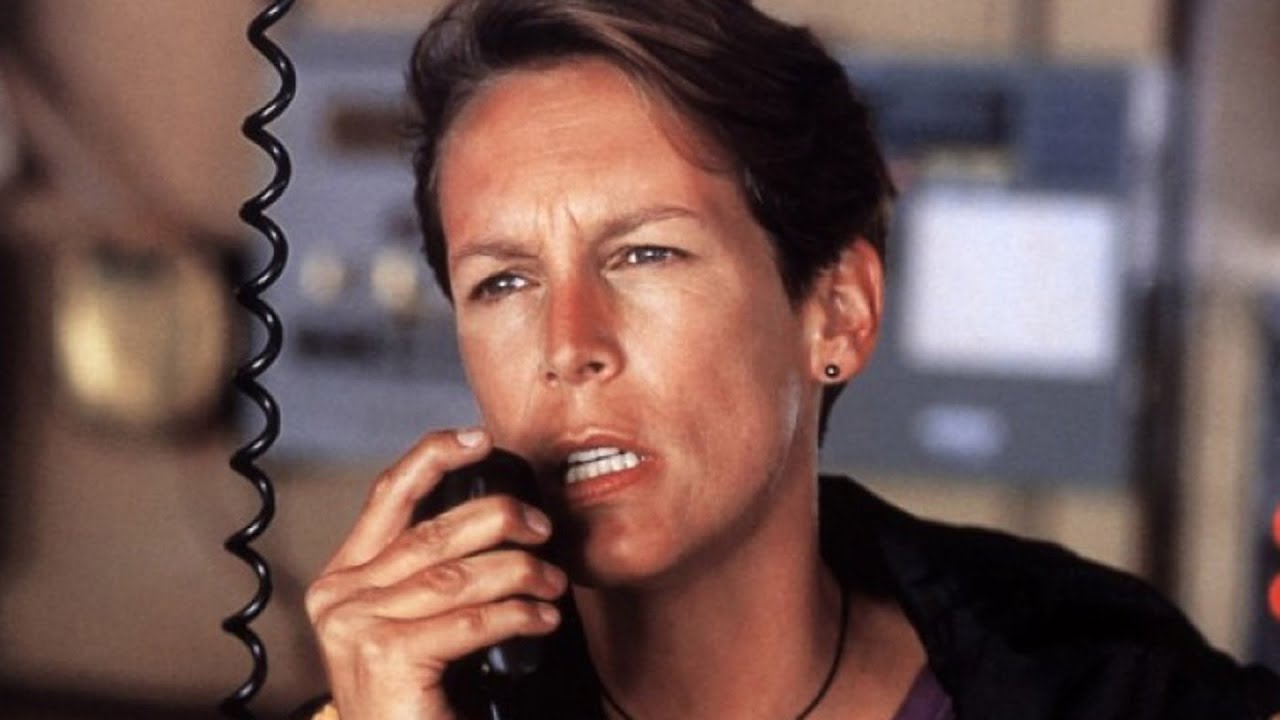

Some of Hollywood’s biggest names have signed contracts they clearly wish they could burn.
Nicki Swift’s breakdown of “Actors Who Took Bad Roles Out Of Desperation” runs through five separate cases of stars who didn’t take a gig because they loved the script — they took it because the bank account, the lawyers, or the calendar left them no other option. From physical injuries derailing a blockbuster franchise lead to a Ponzi scheme wiping out a career’s worth of savings, the video lays out exactly how financial pressure can push A-listers into projects nobody wanted to make.
- Brendan Fraser’s post-“Mummy” years were marked by physical injuries, alimony obligations, and a string of box office misfires that piled financial pressure onto the former franchise lead.
- Kevin Bacon lost a significant chunk of his life savings to Bernie Madoff’s Ponzi scheme when it collapsed in 2008, and had to take whatever roles were on offer to rebuild.
- Matt Smith took on the poorly received “Terminator Genisys” in 2015 shortly after leaving “Doctor Who,” an example the video uses of an actor scrambling for a post-franchise reboot.
The Mummy’s Curse Caught Up With Brendan Fraser
Brendan Fraser spent the late ’90s and early 2000s as one of the more bankable action leads in the business, carrying “The Mummy” and its sequels through a run of box office success. The video points to what came after as the real story: years of physical injuries sustained doing his own stunts, coupled with steep alimony obligations, left Fraser needing paychecks in a market that was rapidly losing interest in him as a leading man. The result was a stretch of forgettable, financially motivated projects that had little to do with what made him a star in the first place.
Bacon’s Fall From Madoff’s Collapse
Kevin Bacon’s segment is the starkest example in the whole video. When Bernie Madoff’s Ponzi scheme unraveled in 2008, Bacon and his wife Kyra Sedgwick were among the investors who lost a significant portion of their savings. That kind of hit doesn’t care about an actor’s résumé — Bacon reportedly found himself taking on roles simply to keep working and rebuild what Madoff’s fraud had erased, a far cry from the selective career path he’d built up to that point.
Bernie Madoff’s 2008 collapse didn’t just wipe out retirees — it left Kevin Bacon taking whatever came across his desk.
A Painful Regeneration For Franchise Escapees
The video’s third segment focuses on actors trying to reboot a career after stepping away from a defining role, and Matt Smith is the headline case. After four seasons as the Eleventh Doctor on “Doctor Who,” Smith signed on for 2015’s “Terminator Genisys,” a film that landed with a critical thud and struggled to justify its own place in the franchise. It’s the kind of move the video frames as a calculated gamble — trading a beloved, tightly controlled role for a shot at Hollywood blockbuster money, even when the material doesn’t hold up. That same pattern of stars searching for their next act shows up across the industry, in the same vein covered in Actors Who Ruined Their Careers On Social Media, where career missteps come from a very different kind of desperation but land with similarly lasting consequences.
Playing The System For Passion Projects
Not every “bad” role in the video is purely about survival — some are strategic. This segment lays out how certain actors will take a critically savaged or commercially underwhelming studio job specifically because it funds, or buys goodwill toward, a smaller passion project they actually care about. It’s a trade-off: absorb the embarrassment of a dud now to get the leverage or the paycheck needed to make something personal later. The video treats this as a more calculated version of desperation, one where the actor is playing the industry’s own game rather than simply being cornered by it.
Catching A Virus: Bruce Willis’s Late-Career Churn
The final segment turns to Bruce Willis, whose later career became a case study in high-volume, low-effort output. Films like “Vice” and a run of similarly forgettable, often direct-to-video action features gave Willis a reliable stream of upfront paychecks, even as critics dismissed the projects outright. The video frames it less as a single desperate decision and more as a sustained pattern — an established star leaning into the paycheck-first model once the leading-man offers stopped being what they used to be, a dynamic not far removed from the co-star fallout chronicled in Actors Who Treat Their Co-Stars Like Trash.
Willis kept cashing those checks well past the point where anyone was calling the films good, and that’s really the throughline of the whole video — Fraser, Bacon, Smith, and Willis all took the money or the opportunity when it was in front of them, regardless of what the reviews would say afterward.







The Untold Truth Of Teen Mom Star Ryan Edwards
The Untold Truth Of Nina Dobrev Revealed
10 MIND-BLOWING Stories Behind Popular Songs
20 Things You Didn’t Know About Justin Bieber
Jury finds Kyle Rittenhouse not guilty on all counts