

10 Things Your Eye Color Reveals About You
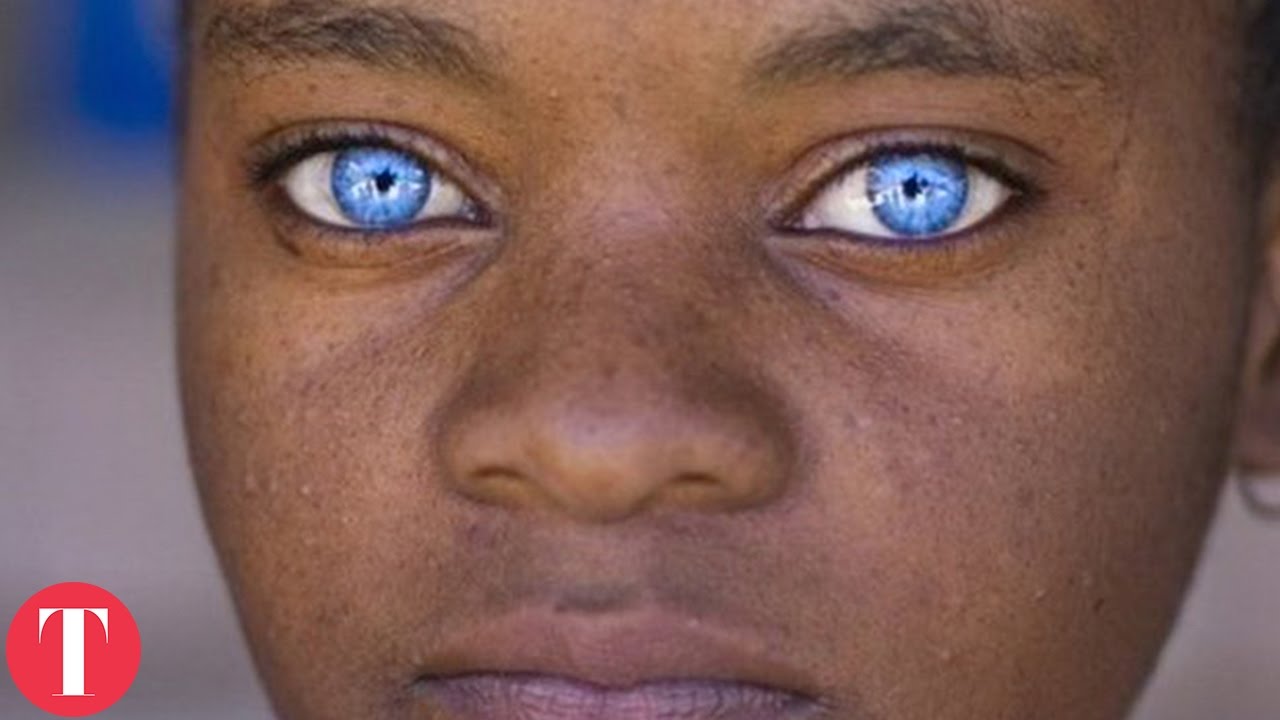

Your iris might be doing more than deciding which sunglasses look good on you.
TheThings Celebrity dropped “10 Things Your Eye Color Reveals About You” on October 13, 2016, digging into the science and folklore behind why a blue-eyed stranger reads as skeptical and a brown-eyed one reads as warm before either says a word. The video runs through the biology of pigmentation, the psychology studies researchers have run on eye color and temperament, and the old wives’ tales that still stick around amber and violet irises. It’s a mix of hard research and campfire lore, presented as a checklist rather than a lecture.
- Studies cited in Current Psychology found people with lighter eyes, like blue, tend to score higher on competitiveness, skepticism, and analytical thinking.
- The same research links darker brown eyes to higher marks for agreeableness, trustworthiness, and empathy.
- Iris color itself comes down to melanin concentration and how light scatters in the stroma, the same mechanism doctors point to when discussing pain tolerance and alcohol sensitivity differences by eye color.
The Chemistry Behind the Color
Before any personality claims come into play, the video grounds everything in basic anatomy: eye color is a byproduct of melanin concentration and how light scatters through the stroma, the connective tissue layer of the iris. More melanin means darker eyes; less melanin lets light bounce around and read as blue or gray. It’s the same pigment mechanism responsible for skin and hair color, just working inside a much smaller, much more visible structure.
Key Findings From Psychology Research
The video’s strongest evidence comes from research published in Current Psychology, which surveyed personality traits against eye color and found real, if modest, patterns. Blue-eyed subjects trended toward competitiveness, skepticism, and analytical problem-solving — the profile of someone who double-checks the receipt. Brown-eyed subjects trended the opposite direction, scoring higher on agreeableness, trustworthiness, and empathy, the kind of person people default to trusting in a first conversation.
Lighter eyes read as skeptical and analytical; darker brown eyes read as agreeable and trustworthy — that’s the split the research keeps landing on.
Hazel and green eyes get treated as the blend category in the discussion, carrying traits from both ends depending on how much brown versus green pigment dominates. It’s less a hard rule than a spectrum, but the video frames it as consistent enough across multiple studies to be worth noting rather than dismissing as coincidence.
Pain, Alcohol, and Reaction Time
Beyond personality, the video leans into physiological research that’s been studied in medical circles for years — pain tolerance, alcohol sensitivity, and reaction speed all showing correlations with eye pigmentation. The theory ties back to the same melanin levels that determine color in the first place, since melanin-related genes overlap with other systems in the body, including pain processing and how quickly certain drugs and enzymes take effect. None of it is presented as diagnostic, more as a reason genetics researchers keep circling back to the iris as a marker worth studying.
Folklore Still Attached to the Rare Shades
Amber and violet eyes get the mythology treatment. Amber, thanks to its wolf-like intensity, carries old associations with heightened alertness and instinct — the kind of trait assigned to someone who notices things before anyone else in the room does. Violet, being genuinely rare and often the result of a specific light-scattering combination rather than true violet pigment, picks up associations with nobility and mysticism, the same aesthetic that shows up whenever royal family members get described as having an otherworldly presence. It’s folklore, not diagnosis, but the video treats it as part of the full picture rather than a throwaway line.
The rarest cases the video touches on go past a single shade entirely — heterochromia, where one eye differs from the other, gets grouped in as its own category, carrying a mix of traits from both colors involved. It’s the same phenomenon that makes certain celebrities instantly recognizable in photos, since a mismatched pair of eyes tends to be the detail people remember first.
None of this replaces an actual eye exam, and the video doesn’t pretend otherwise — it’s ten quick, sourced observations, not a diagnosis. But between the Current Psychology data and the melanin science, it gives viewers a reason to look twice the next time someone’s eyes seem to be doing more talking than their mouth.






Megan Thee Stallion – Thot Shit [Official Video]
Gervonta Davis Stops Ricardo Nunez in Round 2 | SHOWTIME CHAMPIONSHIP BOXING
CREATING the Polar Peak MONSTER with Clay!! (Fortnite Battle Royale) – Polymer Clay Tutorial
10 Secrets To Being A HAPPIER Person
Things You Might Have Missed In Meghan Markle’s 40th Birthday Video