

10 Barbie Dolls You Can Totally Relate To
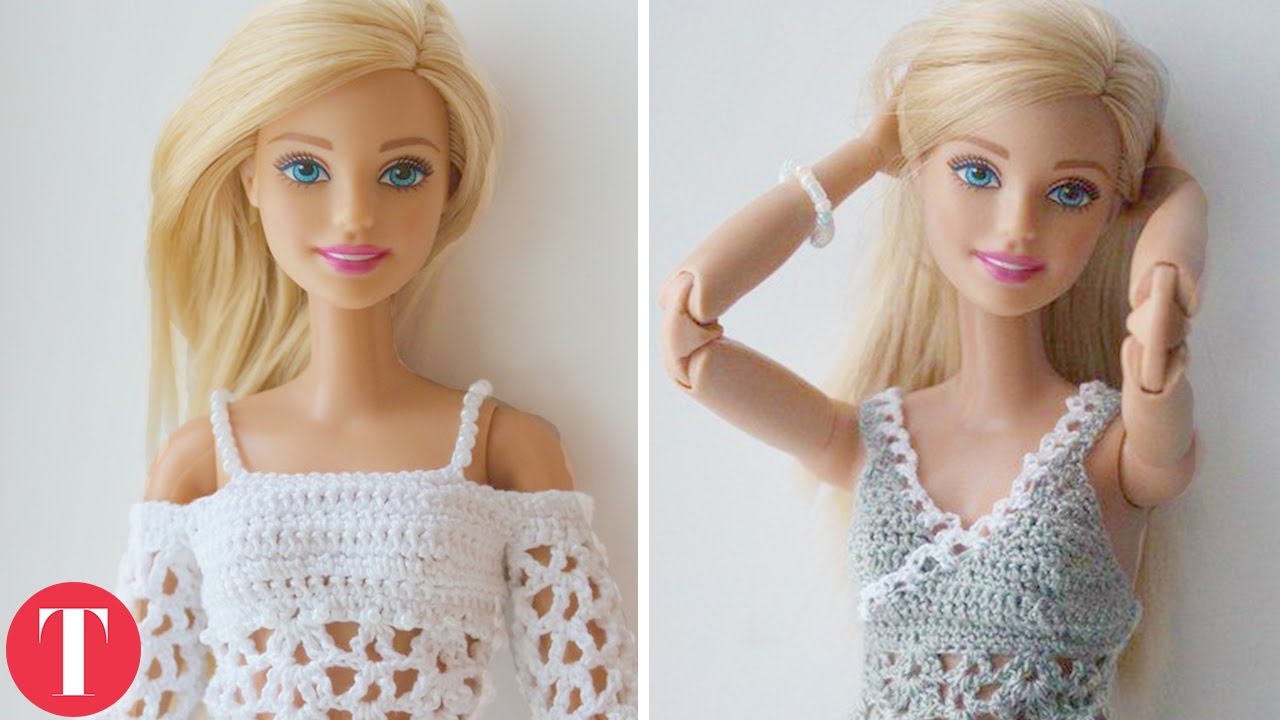

Barbie finally started looking like the women who actually play with her.
For nearly six decades, Barbie stood on tiptoe in a size-3 shoe, blonde, blue-eyed, and built to a proportion no real woman could match. That started changing in a real, documented way starting in 2015, and the shift is the entire premise behind 10 Barbie Dolls You Can Totally Relate To. The video tracks Mattel’s move away from the unattainable “blonde bombshell” template toward dolls modeled on actual body types, skin tones, and life stories.
- In 2015, Mattel gave Barbie flat feet for the first time since 1959, letting her wear sneakers and flats instead of being locked into a permanent high-heel arch.
- In early 2016, after a two-year internal project to modernize the brand, Mattel added Curvy, Petite, and Tall body types to the Fashionistas line alongside the classic silhouette, plus seven skin tones, 22 eye colors, and 24 hairstyles.
- Mattel’s “Shero” program gave one-of-a-kind Barbie likenesses to real boundary-breaking women, including plus-size model Ashley Graham in 2016.
Breaking the Arch
Barbie’s foot has been sculpted at a permanent 45-degree angle since 1959, a design built specifically so she could balance in heels and nothing else. Mattel broke that mold in 2015 by introducing flat-footed Barbies that could actually stand flat on a shelf and wear sneakers, flats, or boots without a wedge stuffed into the shoe. It sounds like a small engineering tweak, but for a brand built around a single fixed pose for over half a century, it was the first real crack in the classic silhouette.
Four Bodies, One Doll Line
The bigger swing came in early 2016, when Mattel expanded the Fashionistas line with three new body types — Curvy, with wider hips and a visible tummy, Petite, and Tall — sold alongside the original Barbie shape. The rollout wasn’t a side project; it came out of a two-year internal effort inside Mattel specifically aimed at modernizing the brand, and it landed with international headlines because it was the first time in Barbie’s history that “body type” was treated as a variable at all. The line also broadened out to seven skin tones, 22 eye colors, and 24 hairstyles, giving kids and collectors combinations that simply didn’t exist on shelves before.
Seven skin tones, 22 eye colors, 24 hairstyles — and, for the first time since 1959, feet that can actually wear flats.
The Shero Program’s Real Women
Alongside the body-type overhaul, Mattel built the “Shero” initiative to hand one-of-a-kind Barbie dolls to real women who’d broken barriers in their fields — a direct answer to decades of critics who argued Barbie modeled an impossible standard. In 2016, that list included plus-size model Ashley Graham, whose likeness turned the Shero line into tangible proof that Mattel’s “relatable” pitch wasn’t limited to body sculpting in a factory — it extended to putting actual, working, visible women on the same pedestal Barbie herself has occupied since 1959.
The Enduring Appeal of Countdowns
What ties the video’s ten picks together isn’t a gimmick doll or a licensed tie-in — it’s that each one traces back to this specific two-year modernization push, from the flat feet to the Curvy silhouette to the Shero likenesses. That’s a different kind of nostalgia play than most toy retrospectives, which is part of why it fits alongside broader conversations about representation that InfoSearched has tracked across entertainment and pop culture more generally.
Mattel hasn’t slowed the diversification since — new skin tones, new hairstyles, and new Sheroes have kept coming out of that same 2016 blueprint, and every fresh wave gets measured against the same yardstick: does she actually look like somebody you know.




Celebs That Ditched The Limelight For Low-Key Jobs
10 Things ALL Guys Do But Won’t Admit
The SHADY Side Of Taylor Swift
Meghan Markle Slammed For Having ‘Zero Class’ By Former Model
The Truth About These Soap Opera Stars