

20 Surprising Facts About The Barbie Doll
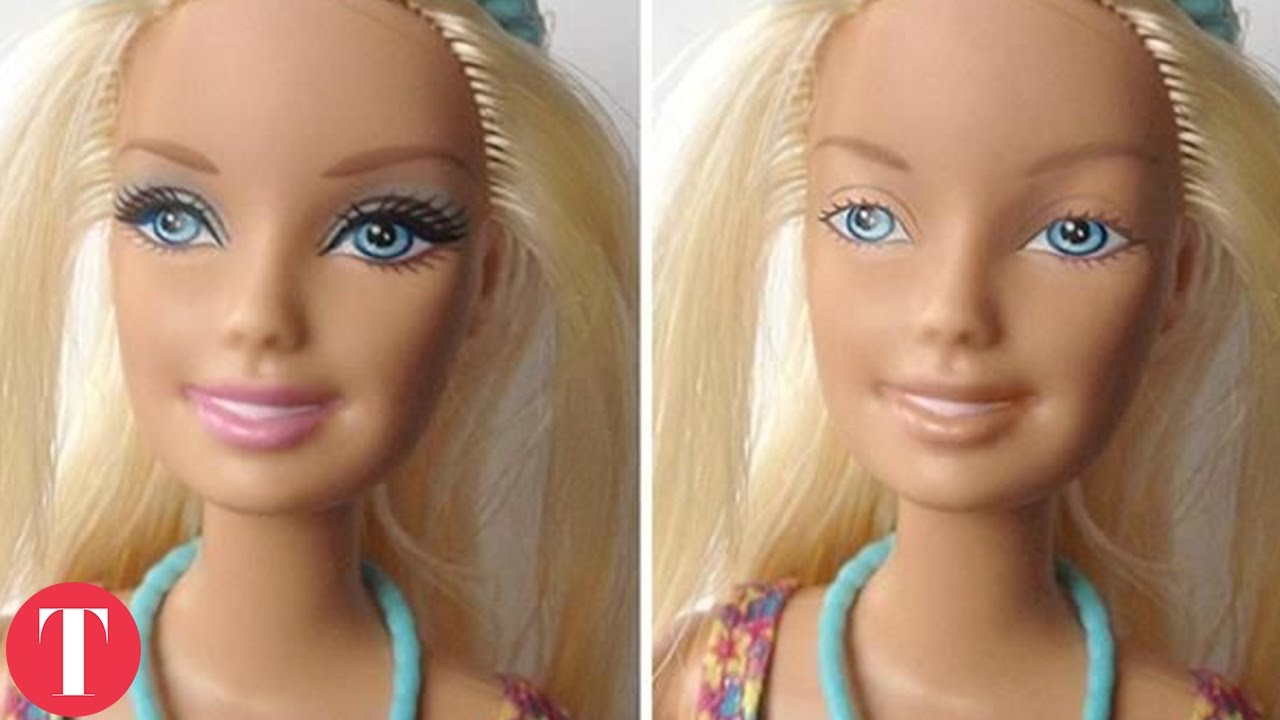

Barbie’s shiny pink packaging hides a surprisingly messy origin story.
Mattel introduced Barbie to the world at the American International Toy Fair on March 9, 1959, and the doll has been reinventing herself ever since. Created by Mattel co-founder Ruth Handler and named after her daughter Barbara, Barbie carried a full legal name — Barbara Millicent Roberts — long before most fans ever thought to ask. The video “20 Surprising Facts About The Barbie Doll” digs into the trivia behind the toy, and a lot of it is stranger than the pastel boxes suggest.
- Barbie’s design was lifted almost directly from Bild Lilli, a German newspaper cartoon character turned adult novelty gag gift in 1955, which led to a copyright lawsuit Mattel settled before buying the rights outright in 1964.
- Mattel sold 350,000 Barbie dolls in her debut year, but international rollout was slow — she didn’t reach Europe until 1961 and didn’t launch in India until 1987, before eventually landing in more than 150 countries.
- 1992’s Totally Hair Barbie remains the bestselling release in the doll’s history, moving more than 10 million units worldwide.
The Toy Fair Debut and the Handler Family Connection
Ruth Handler didn’t just name Barbie after her daughter — she extended the same logic to Ken, introduced in 1961 as Kenneth Sean Carson, named after her son. The pairing turned into the best-known couple in toy history, but the branding decision was deliberate: Handler and Mattel built out an entire universe around the Roberts family name, giving Barbie a backstory that made her feel like a real person rather than just a plastic figure on a shelf.
The numbers behind that debut are modest by today’s standards. Mattel moved 350,000 dolls in 1959, a solid launch but nothing like the global rollout that followed. Barbie didn’t even hit European shelves until 1961, and India — now one of the largest toy markets on Earth — didn’t get an official Barbie launch until 1987. Eventually, Mattel got her into more than 150 countries.
The Bild Lilli Controversy
Barbie’s look wasn’t dreamed up from scratch. Ruth Handler picked up several Bild Lilli dolls during a 1956 trip through Europe — Lilli being a cartoon character from the German tabloid Bild-Zeitung who was written as a flirtatious call girl and later sold as an adult novelty gag gift in 1955. Handler brought the concept back to the U.S. and, working with former aerospace engineer Jack Ryan, turned it into a doll marketed to little girls instead of adults.
That borrowed origin caught up with Mattel in 1961, when Lilli’s maker, Greiner & Hausser, sued for copyright infringement. The case settled out of court, and Mattel didn’t fully own the rights and patents until 1964. Much like the musicians that are nothing like they seem, Barbie’s squeaky-clean image covers up an origin story with some real edges to it.
Bild Lilli started life as a flirtatious call girl in a German tabloid comic — before becoming the blueprint for the best-selling doll in history.
From the Side-Glance to Totally Hair
Barbie’s face changed more than most fans realize. For her first 12 years on shelves, she had a coy, side-glancing gaze — that design didn’t shift to a direct, forward stare until 1971. It’s the kind of detail collectors obsess over, since it’s one of the easiest ways to date an early doll at a glance.
Sales-wise, nothing has topped 1992’s Totally Hair Barbie, which sold more than 10 million units worldwide and remains Mattel’s bestselling Barbie release of all time. It’s a reminder that even in a toy line with hundreds of variants and careers — astronaut, doctor, presidential candidate — one gimmick with floor-length hair still outsold everything else Mattel ever put out.
Ken, Blaine, and the Doll’s PR Headaches
Ken and Barbie were never actually married — Mattel kept it that way on purpose to preserve Barbie’s identity as an independent career woman rather than someone defined by a husband. The two even broke up in 2004, with Barbie briefly linked to an Australian surfer doll named Blaine before Ken won her back in 2011, a soap-opera plotline that would fit right in with the kind of drama covered in celebs who started out friends and ended up enemies.
Not every Barbie-world product aged well. The 1993 Earring Magic Ken was discontinued after backlash over its styling, and 2010’s Video Girl Barbie — which had a working camera built into her chest — actually prompted an FBI advisory over concerns about how the built-in camera could be misused. For a toy company built on wholesome careers and dream houses, those two releases stand out as Mattel’s rare public-relations messes.
![Lizzo - Rumors feat. Cardi B [Official Video]](https://entertainment.infosearched.com/wp-content/uploads/sites/5/2021/08/48027-lizzo-rumors-feat-cardi-b-official-video.jpg)


10 Famous People Who Actually Married Their Fans
BEST SOUTHERN FRIED CHICKEN EVER! Carolinas vs.Tennessee
Why We’re Worried About Kaley Cuoco
10 Things Guys Do That Girls Like
What Magic Johnson Did After Son EJ Came Out To Him