

Cris and Nick react to Antonio Brown’s helmet dispute & Gruden’s support | NFL | FIRST THINGS FIRST
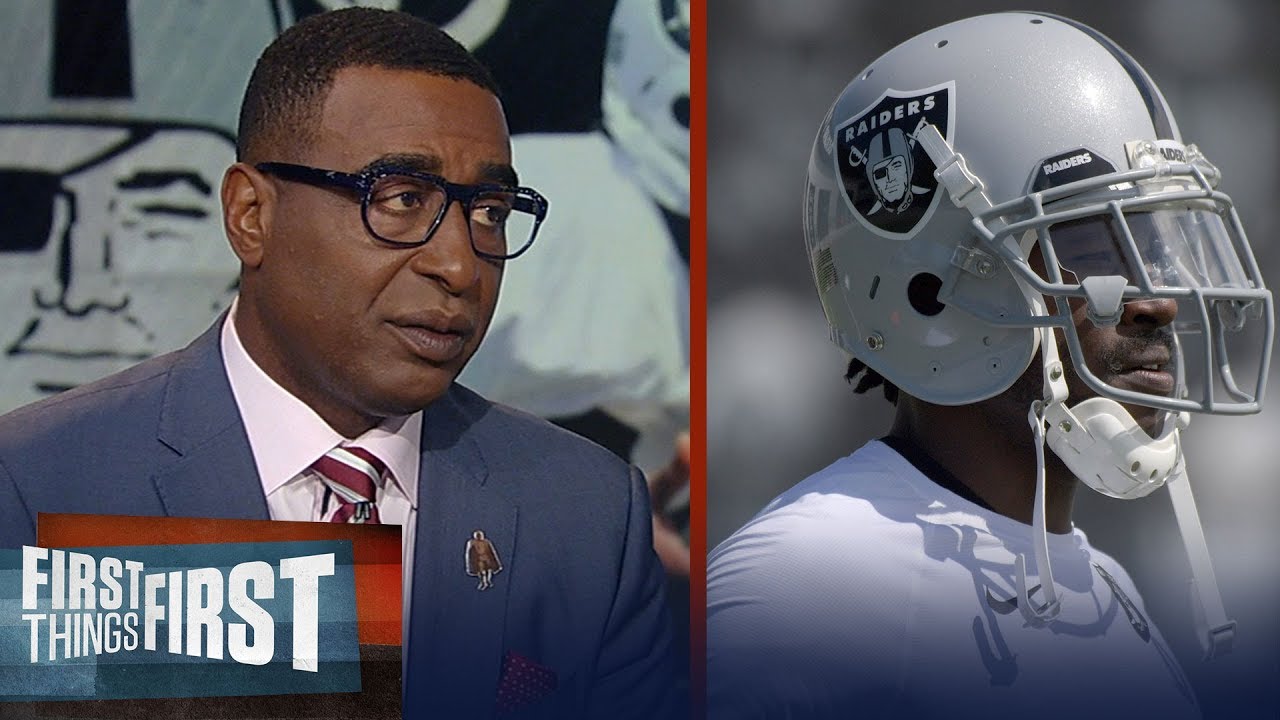

Antonio Brown’s helmet fight with the NFL just became appointment television — and Cris Carter isn’t buying Jon Gruden’s defense of it.
On the morning of August 12, 2019, FS1’s “First Things First” turned its attention to the strangest subplot of Oakland Raiders training camp: Antonio Brown’s refusal to give up his old Schutt Air Advantage helmet. Co-hosts Cris Carter and Nick Wright broke down why the league banned the model, why Brown filed a grievance to keep wearing it anyway, and why head coach Jon Gruden’s public backing of his newly acquired star made no sense to either of them.
- Brown filed an official grievance against the NFL to keep wearing his discontinued Schutt Air Advantage helmet, which lost its NOCSAE safety certification after aging past 10 years and missing the NAERA recertification window when a one-year grace period expired in 2019.
- Gruden told reporters on Saturday, August 10 that “the helmet thing is a personal matter to him… we’re supporting him. We understand the league’s position as well, so we’re in a tough spot,” a comment Carter directly challenged on air.
- League spokesman Brian McCarthy confirmed Brown would be barred from practicing or playing without an approved helmet, putting him in breach of contract and at risk of losing pay if he sat out over the equipment fight.
The Grievance and the Rule Behind It
The dispute isn’t really about style — it’s about certification. Brown’s preferred Schutt Air Advantage was discontinued years ago, and under joint NFL-NFLPA equipment rules, any helmet more than a decade old loses its NOCSAE safety certification once its recertification grace period lapses. That grace period ran out in 2019, which is exactly why Brown, despite having worn the same helmet for essentially his entire career, was told he could no longer use it on an NFL field. His response was to file a formal grievance rather than switch models, and reports at the time described him even suggesting he’d walk away from football before changing helmets.
Brown’s camp availability was already compromised before the helmet issue boiled over, after he suffered frostbite on his feet from a cryotherapy chamber session in France. Layer a helmet grievance on top of that, and Oakland’s newly acquired receiver had managed to make himself the most talked-about non-playing player in training camp.
Gruden’s Defense Draws Fire From Cris Carter
Gruden’s comments on August 10 were meant to project loyalty to his prized offseason addition, but Carter treated them as indefensible. His argument was straightforward: there’s no version of “supporting” a player that includes backing his refusal to follow a league safety rule, and a head coach has no business framing a certified-helmet mandate as a personal grievance worth defending.
“The helmet thing is a personal matter to him… we’re supporting him. We understand the league’s position as well, so we’re in a tough spot.”
That quote from Gruden was the entire target of Carter’s frustration. He couldn’t square a coach openly acknowledging the league’s position was correct while still publicly standing behind the player defying it. Nick Wright’s read was similar, framing the whole saga as a distraction Oakland didn’t need after already spending the offseason managing the fallout of trading for Brown out of Pittsburgh.
The League’s Actual Enforcement Actions
Brian McCarthy’s statement on behalf of the NFL wasn’t ambiguous: Brown wouldn’t be cleared to practice or play in an uncertified helmet, full stop, and any time missed over it would count against him contractually, including the pay he’d forfeit for unexcused absence. That’s a real financial stake for a receiver who’d already burned camp reps to the frostbite injury, and it’s the reason Carter and Wright treated the story as more than a sideline curiosity — a franchise centerpiece was risking game checks over an equipment technicality he had every ability to resolve by simply switching helmets.
Later that same day, an independent arbitrator formally denied Brown’s grievance, closing the loop on the argument Carter and Wright had already made hours earlier on air.
An Unwanted Distraction in Oakland
For a Raiders team trying to build early chemistry around a receiver they’d just traded for, the last thing camp needed was a helmet grievance dominating headlines instead of routes and reps. Wright’s point landed because it wasn’t really about the helmet itself — it was about a coach choosing to spend political capital defending a fight his own front office couldn’t win. Whether the segment reads more like sports commentary than celebrity drama, the dynamic is familiar: a star personality testing how much leeway an organization will extend before the story becomes about the drama itself rather than the job at hand, the kind of pattern chronicled in pieces about celebrities who push their organizations past reasonable limits.
With the arbitrator’s ruling against him coming down later on August 12, Brown’s options narrowed to two: put on an approved helmet or keep missing paid practice time. Carter and Wright had already made clear which side of that they expected Gruden to be enforcing, grievance or no grievance.




10 Cartoon Disney Movies Come To Life
Manchester City win Community Shield vs. Liverpool in penalty shootout | FA Community Shield
Uncomfortable Moments That Aired On Ellen
The REAL Story Behind Hilarious Internet Memes (1/3)
Queen of Mean | CARscendants ???? | Descendants 3