

30 Things You Never Knew About MAKEUP
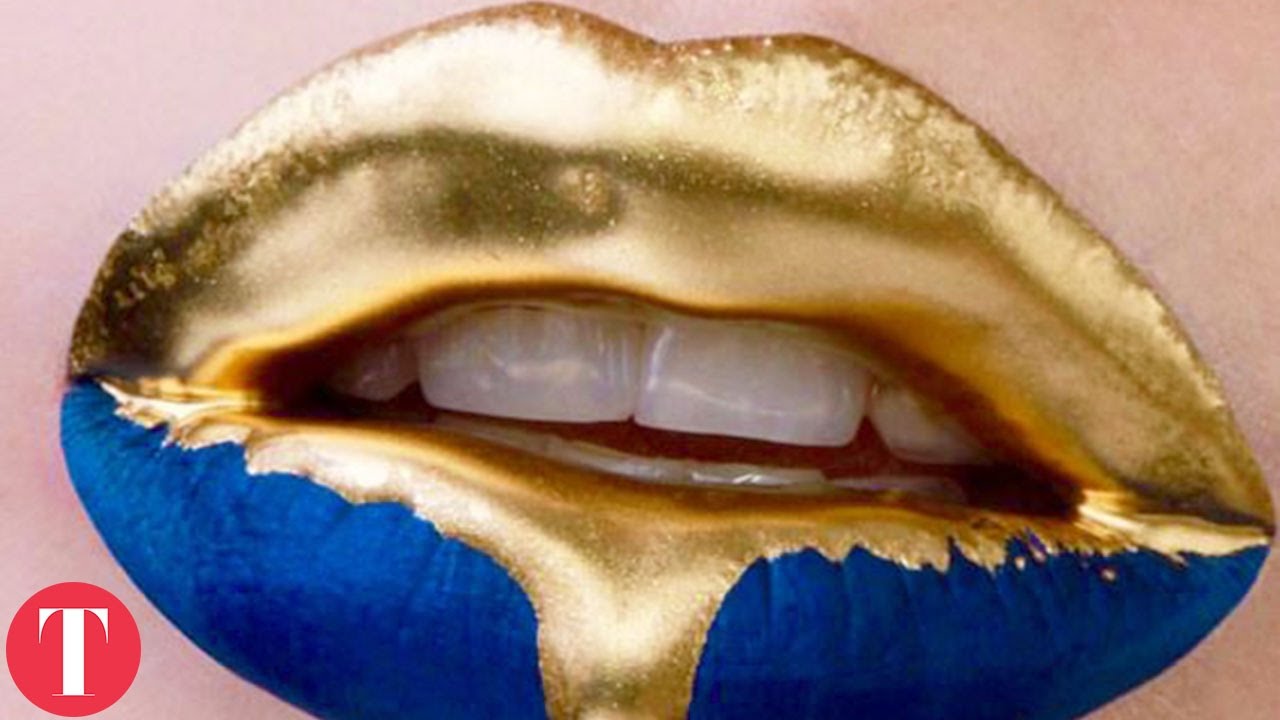

Every tube of lipstick on your bathroom shelf has a body count behind it.
TheThings Celebrity built its countdown “30 Things You Never Knew About MAKEUP” as a trivia sprint through the history of the cosmetics industry, not a tutorial on contouring or blending. The video pulls together the origin stories, the health scares, and the commercial milestones that turned face paint into a multibillion-dollar global business. It’s less about technique and more about how humans have been altering their faces for roughly 5,000 years, sometimes at real physical cost.
- Mesopotamian women ground up gemstones to tint their lips 4,000 to 5,000 years ago, while the Aztec Empire harvested dried cochineal insects off cacti to make vivid carmine dye for lips and eyes.
- Elizabethan women coated their faces in toxic ceruse — white lead mixed with vinegar — and 18th-century Spanish women reportedly ate clay to induce chlorosis, a fashionable pale, anemic look.
- Eugène Schueller founded L’Oréal in 1907 after inventing a synthetic hair dye, and the modern roll-on deodorant didn’t arrive until 1952, inspired directly by the mechanics of the ballpoint pen.
Ancient Rituals Behind the Modern Vanity
The countdown traces cosmetics back further than most people assume. Mesopotamian women were tinting their lips with crushed gemstones 4,000 to 5,000 years ago, and ancient Egyptians wore cosmetics for spiritual ritual purposes as much as for protecting skin against relentless sun and dry desert winds. Over in the Aztec Empire, dried cochineal insects pulled off cactus plants supplied the carmine dye used for lips and eyes — a pigment so effective that cochineal-based red dye is still used in food and cosmetics today.
Status was baked into all of this from the start. In Ancient Rome, men applied lip color specifically to signal social rank, flipping the modern assumption that cosmetics were always a women-only pursuit. Centuries later, the Renaissance and Victorian eras swung wildly in the other direction, treating makeup as either an elite privilege or a moral and religious taboo, depending on the decade.
The Toxic Rise of Beauty
Some of the countdown’s most striking entries are cautionary tales. Elizabethan women painted their faces with ceruse — a mixture of white lead and vinegar — chasing the same porcelain-pale ideal that led Middle Age beauty seekers to actually ingest arsenic. In 18th-century Spain, women reportedly ate clay to trigger chlorosis, an anemic condition that produced the pale complexion considered fashionable at the time.
Today’s average woman is exposed to roughly 168 distinct chemical ingredients through her daily personal care products — a number the cosmetics industry has spent a century trying to make safer, not smaller.
That 168-ingredient figure is the modern bookend to lead-and-vinegar face paint: the formulas changed, but the scrutiny on what’s actually in the jar never went away.
The Industrial Beauty Boom
The countdown credits Eugène Schueller with kicking off the modern cosmetics era, founding L’Oréal in 1907 after inventing a synthetic hair dye. Decades later, in 1952, the modern roll-on deodorant hit shelves, borrowing its rolling-ball mechanism directly from the ballpoint pen. Cake mascaras, applied with a dampened brush rather than the wand formula most people use now, were another commercial-era staple the video walks through as makeup shifted from home remedies to mass-produced product lines.
The Economics of a Painted Face
Beyond formulas and history, the video leans into consumer behavior — specifically the “lipstick effect,” the documented uptick in lipstick purchases during economic recessions, as shoppers trade big luxuries for small, affordable indulgences. It’s the kind of data point that shows up in marketing decks the same way it shows up in trivia videos, tying a five-millennia-old habit to modern spending charts.
The through-line across all 30 facts is that the impulse hasn’t changed much since Mesopotamia — people want a specific look, and they’ll adopt whatever the era’s technology, economy, or toxic substance of choice makes possible to get it. Somewhere between crushed gemstones and a $15 tube of drugstore lipstick, that instinct became one of the world’s most reliable industries.





10 Secrets The Beauty Industry Doesn’t Want You To Know
Strange Things Everyone Ignores About Catelynn Lowell’s Marriage
SCARY STORIES TO TELL IN THE DARK (2019) Ending + Monsters Explained
ANNABELLE COMES HOME (2019) Ending + New Spirits Explained
10 Celebs You Didn’t Know Started On YouTube