

Attack on Titan is Incredible Now.
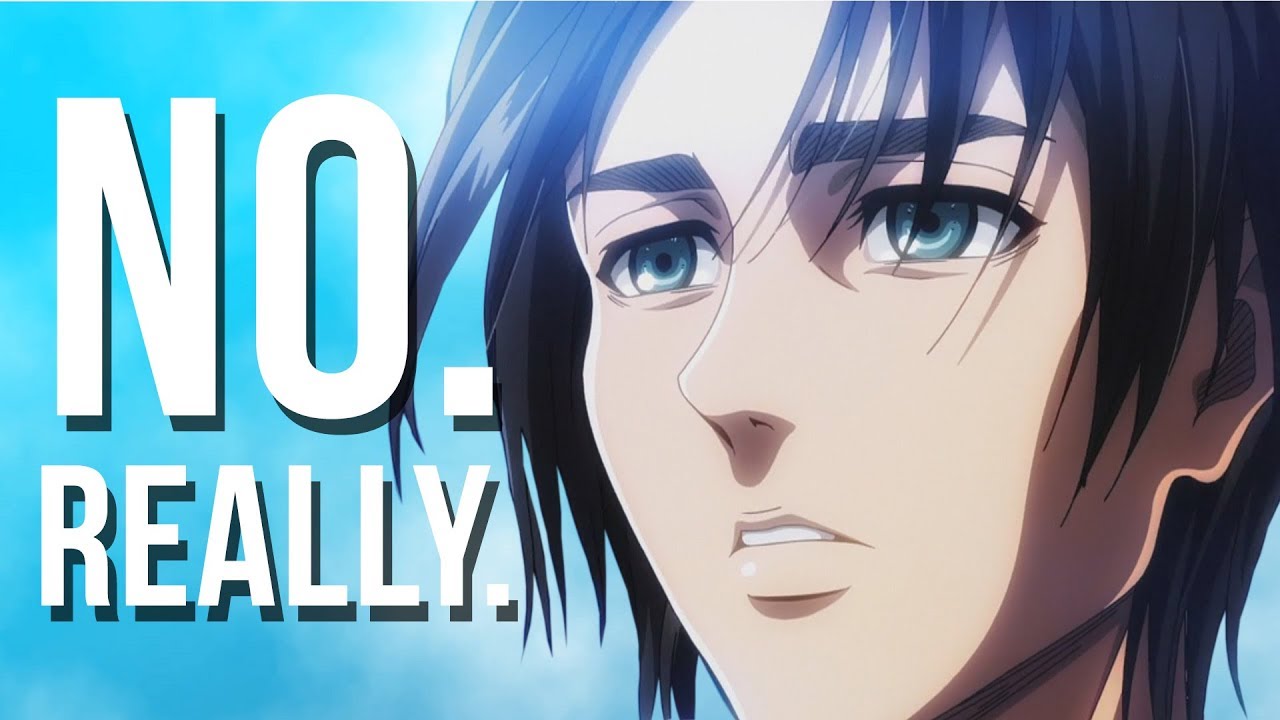

A YouTube essayist just made the case that anime’s biggest sleeper hit turned into must-watch television.
Gigguk, one of anime’s most-watched video essayists, dropped “Attack on Titan is Incredible Now” in July 2019, timed to the conclusion of the third season of Hajime Isayama’s series. The video traces the show’s arc from a 2013 debut built on jump-scares and gore to the politically dense, morally tangled story that just wrapped its Season 3 Part 2 finale. His argument is simple: the series most people wrote off as monster-of-the-week action has quietly become one of the sharpest pieces of serialized storytelling on television, animated or otherwise.
- Gigguk’s essay was released as Wit Studio’s adaptation closed out Season 3 Part 2, built around Isayama’s manga.
- The video contrasts Season 1’s kinetic, survival-horror hype with the show’s later turn into a political thriller about corruption and oppression.
- Central to the argument is Season 3’s return to Shiganshina and the long-teased basement reveal, which expanded the story from a walled survival tale into full-blown international warfare.
From Monster Horror to Political Thriller
When Attack on Titan premiered in 2013 under director Tetsuro Araki at Wit Studio, it sold itself on dread and momentum: Eren Yeager, Mikasa Ackerman, and Armin Arlert scrambling to survive inside walled settlements while flesh-eating Titans tore through humanity’s last strongholds. That premise was enough to make it a global phenomenon on its own, driven by relentless pacing and a body-horror aesthetic that set it apart from typical shonen fare. Gigguk’s essay doesn’t dismiss that era — he credits it for the mainstream hype — but frames it as the entry point to something far more ambitious.
What the video spends most of its runtime on is the shift that happened underneath that action. As the seasons progressed, the story stopped being about which Titan gets killed next and started interrogating who’s lying to whom, and why. Internal corruption inside the walls, the morality of soldiers following orders they don’t believe in, and the systemic rot holding humanity’s remaining society together all became the actual engine of the plot. That’s the transition Gigguk argues most casual viewers missed, because it happened gradually rather than in one dramatic pivot.
The Shiganshina Payoff
The essay’s centerpiece is Season 3’s return to Shiganshina, the district where the story started, and the basement underneath Eren’s childhood home that fans had been waiting years to see opened. Gigguk walks through how that reveal doesn’t just answer a mystery box — it reframes the entire scope of the series, pulling the camera back from a localized fight for survival to something closer to international warfare and ideological conflict between nations.
Attack on Titan stopped being a story about killing Titans and became a story about why anyone is fighting in the first place.
That reframing is what Gigguk points to as proof the series had been building toward something bigger the whole time. The horror elements never disappeared, but they became a backdrop for a story about propaganda, competing loyalties, and characters whose perspectives complicate who the audience is even supposed to root for.
Significance of the Policy Reassessment
Gigguk’s core claim is that Attack on Titan earned a full critical reassessment by the time Season 3 wrapped — not because it changed genres, but because it kept layering complexity onto a premise most viewers had already filed away as “the Titan show.” He calls it a modern storytelling masterpiece, a label he’s careful with given how much anime crosses his desk. The video’s broader point lands as a case study for anyone skeptical that a franchise built on early hype can actually grow into something more substantial, a debate that regularly resurfaces across TV Trends coverage whenever long-running series hit a creative peak years into their run.
It’s the kind of reappraisal that tends to ripple outward once a video like this circulates — the same way franchise retrospectives and creator deep-dives keep showing up in TRENDING NOW conversations long after a show’s initial premiere buzz fades.
Gigguk closes his essay without pretending the story is finished — Season 3 Part 2 ended on the basement reveal, not a resolution, and the manga was still running well ahead of the anime at the time. What his video captures is a snapshot of a fanbase realizing, six years and three seasons in, that the show they wrote off as a horror gimmick had turned into the anime everyone would be arguing about for years to come.





Rappers Who Have Wives That’ll Definitely Turn Some Heads
Disney Princesses Reimagined By Amazing Artists
10 Awkward Phase Pictures Of Famous People
Stars Who Sadly Passed Away Already In 2018
10 Celebs Who Are SMARTER Than You Think