

10 Celebs You Didn’t Know Started On YouTube
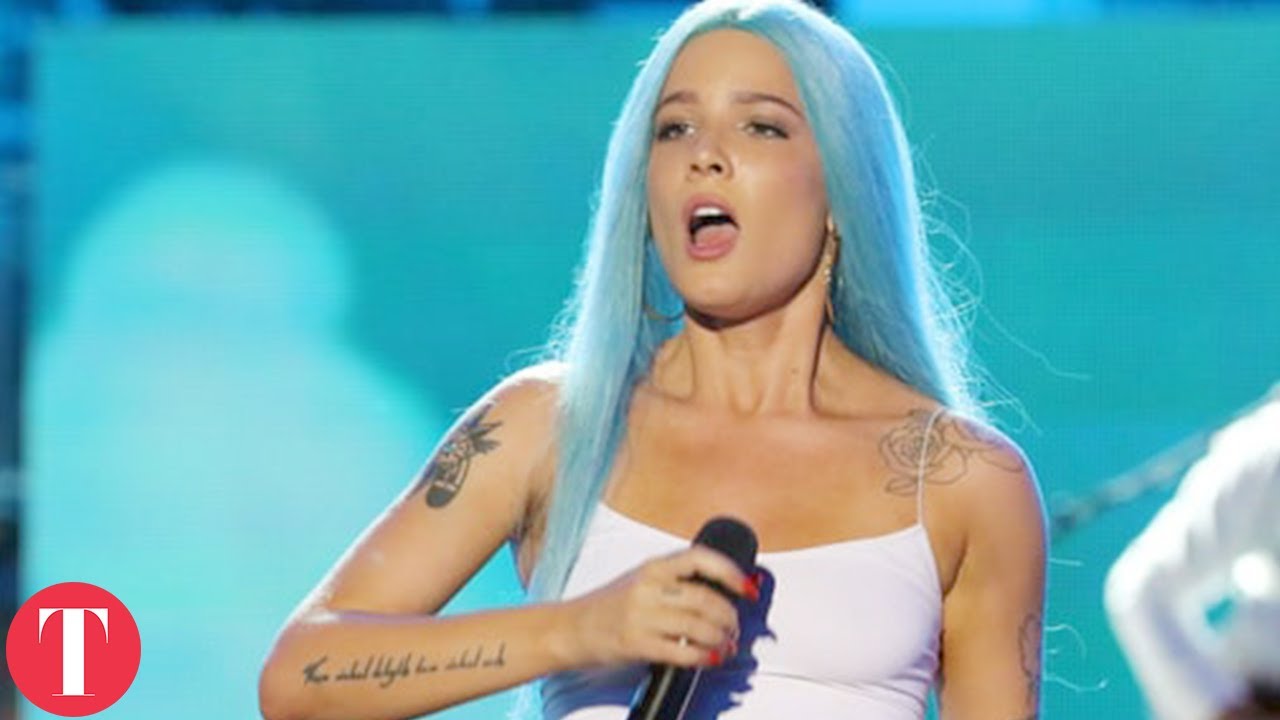

A decade before streaming numbers ruled the charts, a webcam and a YouTube upload were enough to build a pop star.
TheThings Celebrity’s countdown, “10 Celebs You Didn’t Know Started On YouTube,” traces the specific clips, dates, and label deals that turned bedroom uploads into platinum careers. The video walks through the mechanics of how Justin Bieber, Soulja Boy, The Weeknd, and a handful of others got discovered — not through auditions or A&R scouting trips, but through views racking up on a website that record executives were still figuring out how to use. It’s less a nostalgia reel than a breakdown of the actual pipeline that fed the mainstream charts for most of the 2010s.
- Justin Bieber’s mother uploaded a video of the 12-year-old covering Ne-Yo’s “So Sick” from a local singing competition in 2007, which manager Scooter Braun found and turned into a meeting with Usher and a joint deal between Raymond Braun Media Group and Island Def Jam.
- Soulja Boy posted self-produced tracks to YouTube and MySpace starting in 2005, and his instructional dance clip for “Crank That (Soulja Boy)” went viral in 2007, landing him a deal with Interscope Records.
- Abel Tesfaye anonymously uploaded “What You Need” and “Loft Music” to YouTube in late 2010 without showing his face, sparking a mystery that drew Drake’s OVO blog and press attention before he signed with Republic Records as The Weeknd.
The Bieber Blueprint
The Bieber story is the one every A&R department still references when they talk about organic discovery. His mother’s upload of him singing Ne-Yo wasn’t posted with a record deal in mind — it was just a way to share a home video of a talent-show performance. Scooter Braun stumbled onto that clip and kept clicking through more of Bieber’s cover videos before deciding the kid was worth flying to Atlanta for. That trip produced the Usher meeting, and from there the Raymond Braun Media Group venture with Island Def Jam turned a 12-year-old’s webcam covers into a global pop career.
Soulja Boy’s Self-Distribution Playbook
Soulja Boy’s path looked nothing like Bieber’s, but it proved the same point from a different angle. Instead of waiting to be discovered singing someone else’s song, he built and released his own tracks directly to YouTube and MySpace starting in 2005, cutting out the industry gatekeepers entirely. The “Crank That (Soulja Boy)” dance tutorial he posted turned into one of the first true viral phenomena of the YouTube era in 2007, and Interscope Records signed him once the song was already a cultural fixture rather than a pitch.
The Weeknd’s Faceless Mystery
Abel Tesfaye took the opposite approach from both Bieber and Soulja Boy — he hid. Uploading “What You Need” and “Loft Music” anonymously in late 2010, he gave listeners no face, no name, and no backstory, just the music. That absence of information became the hook. Drake’s OVO blog picked up the tracks, critics started writing about the mystery artist behind them, and the buzz built to the point where Tesfaye signed with Republic Records as The Weeknd without ever having played a traditional industry showcase.
He uploaded the songs with no face, no name, and no backstory — and let the mystery do the work.
The Cover-Song Pipeline
The countdown also details a wave of acts who used YouTube covers as a direct audition tape for the industry. Australian band 5 Seconds of Summer posted cover videos that eventually landed them touring slots opening for One Direction, a boost similar to what’s driven other boy band rivalries and pairings over the years. Tori Kelly kept posting after her elimination from “American Idol” and built an audience that outlasted the show itself. Charlie Puth’s covers caught traction that eventually put him on Ellen DeGeneres’s radar, and Alessia Cara’s acoustic performances led directly to her signing with Def Jam.
What ties all ten cases together is that none of them needed a label’s permission to start. The Bieber, Soulja Boy, and Weeknd stories in particular show three completely different strategies — a stage-mom upload, DIY self-distribution, and total anonymity — all landing on the same outcome, which says more about how unpredictable that discovery window really was than any single formula ever could. It’s a reminder worth revisiting anytime a new artist claims their entire career started with one clip nobody expected to blow up, a pattern that also shows up when digging into how musicians built their public personas long before anyone was paying attention.

The Big Misconception About Electricity
Donald Trump Just Dismissed This Claim Against Melania Trump
Actors Who Refused To Kiss Other Actors On Screen
What White House Aides Call Ivanka Trump
10 Failproof Ways To Get FAMOUS On Instagram