

 InfoSearched
The princess stories Disney animated are a lot sweeter than the ones the studio actually started with.
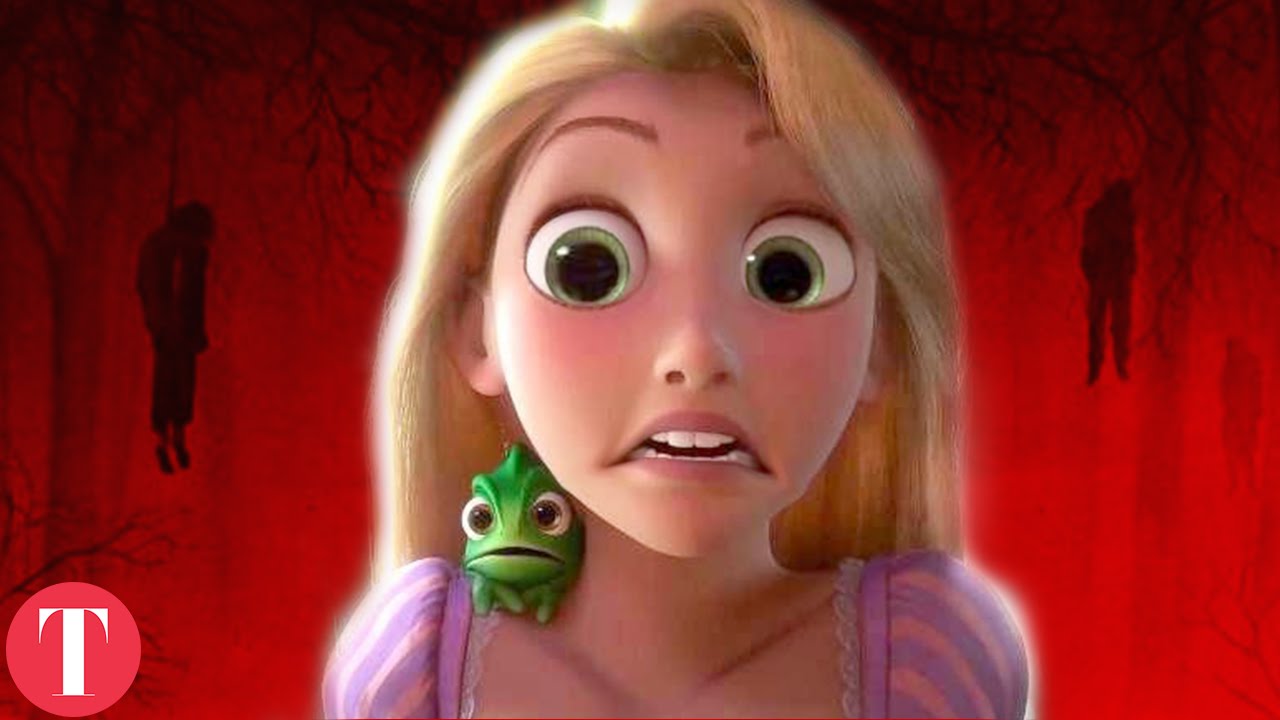
TheThings Celebrity’s video “The Real Stories Of Disney Princesses” digs into the source material behind Disney’s animated classics, and the gap between the cartoons and the original texts is enormous. These aren’t Disney’s tidy songbook versions — they’re the tales collected by Giambattista Basile, Charles Perrault, Hans Christian Andersen, and the Brothers Grimm, and they’re full of violence, mutilation, and endings nobody’s putting on a lunchbox. The video walks through four of the biggest offenders: Sleeping Beauty, Cinderella, The Little Mermaid, and the Rapunzel/Snow White pairing.
- Sleeping Beauty traces back to Basile’s 1634 tale “Sun, Moon, and Talia,” in which a king finds the comatose Talia, rapes her, and leaves — she later gives birth to twins while still unconscious, and one infant sucks the cursed splinter from her finger to wake her.
- In the Brothers Grimm’s 1812 “Aschenputtel,” Cinderella’s stepsisters mutilate their own feet to fit the golden slipper, and talking pigeons expose them by pecking out their eyes at the wedding.
- Andersen’s 1837 mermaid feels knife-like pain with every step on human legs, and after the prince marries someone else, she dissolves into sea foam rather than kill him.
Sleeping Beauty’s Grim Precedent
The video traces Aurora’s story past Basile all the way to “Perceforest,” a medieval tale that carries the same grim premise. In “Sun, Moon, and Talia,” there’s no kiss of true love waking anyone up. A wandering king stumbles on Talia in her comatose state, assaults her, and leaves without a word. Months later she gives birth to twins while still unconscious, and it’s one of the newborns, nursing at her finger, who accidentally sucks out the flax splinter responsible for her sleep and wakes her.
The story doesn’t end there. The king’s jealous wife orders the twins cooked and served to their own father, then tries to have Talia burned alive. The king finds out, throws his wife into the fire instead, and marries Talia. Disney’s 1959 film kept the sleeping curse and cut essentially everything else.
Cinderella’s Slipper Was Written in Blood
The Brothers Grimm published “Aschenputtel” in 1812, and it’s a far bloodier fit than a glass slipper story has any business being. To force the golden shoe onto their feet, one stepsister slices off her big toe at her mother’s urging, and the other cuts off her heel — both convinced the pain is worth the prince. The trick almost works until blood starts seeping out of the shoe.
Talking pigeons are the ones who blow the whole scheme open, singing out to the prince that blood is soaking through. By the time the real wedding happens — an occasion that, in a very different context, would send anyone shopping for the kind of dress reserved for royal weddings — the same birds peck out both stepsisters’ eyes, leaving them blind for the rest of their lives.
One stepsister cuts off her toe, the other her heel — and the pigeons still turn them in.
The Little Mermaid’s Price for Legs
Andersen’s 1837 original strips away the “Part of Your World” optimism entirely. Every step Ariel takes on her new human legs feels like walking across sharp knives — there’s no painless transformation. And there’s no happy wedding waiting for her, either: the prince marries a different woman.
Andersen leaves the mermaid with two options — stab the prince through the heart and return to the sea, or refuse and die herself. She chooses to die, dissolving into sea foam rather than take his life. It’s the kind of ending that makes clear why Disney’s songwriting team, much like the artists behind numbers such as Disney’s more recent animated soundtrack work, had to build something new around it rather than adapt it straight.
Rapunzel and Snow White Get the Same Treatment
The Grimm version of Rapunzel has Mother Gothel cutting off the girl’s hair in retaliation after discovering she’s pregnant by the prince, then banishing her to the wilderness. The prince, arriving to find Gothel instead of Rapunzel, throws himself from the tower and lands in thorns that blind him.
Snow White’s Grimm ending is just as brutal in a different way: the Evil Queen is forced to dance herself to death in a pair of red-hot iron shoes at Snow White’s wedding. Disney kept the poisoned apple and the seven dwarfs. It left the shoes on the cutting room floor.






Celebs Who Were Wasted On Live TV
THIS Is How Lipstick Is Made
What’s the Fastest Way to Travel in Minecraft 1.14?
I Tried Selling My Diamond Play Button **they really offered this**
10 Tips To Make A GIRL LIKE YOU