

What Really Happened To Paula Deen?
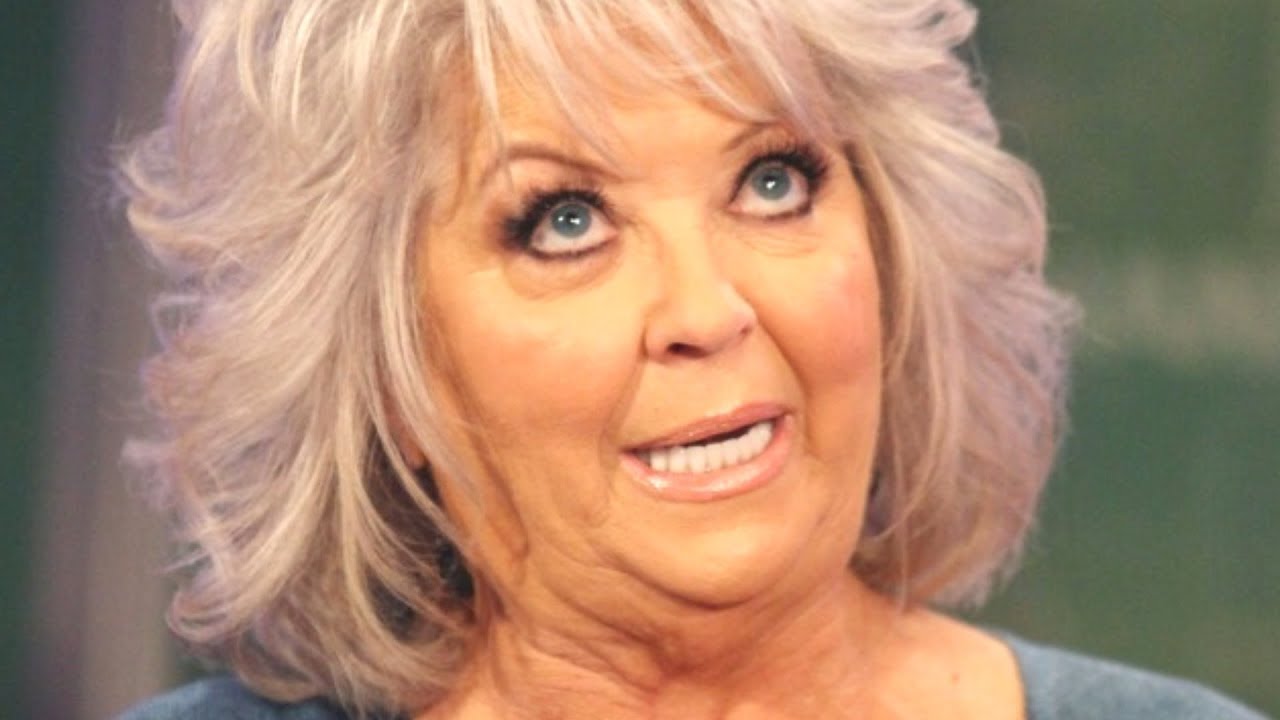

She admitted to a word in a deposition, and inside a week her entire empire started falling apart.
Paula Deen spent decades building a brand on butter, biscuits, and a folksy Savannah drawl that made her one of Food Network’s biggest stars. Then, in the summer of 2013, a lawsuit deposition surfaced that undid all of it almost overnight. What followed wasn’t just a public apology tour — it was years of quiet, aggressive maneuvering to salvage a business empire that had been worth tens of millions of dollars.
- In June 2013, a discrimination lawsuit filed by former restaurant manager Lisa Jackson exposed a deposition in which Deen admitted to having used the N-word in the past, triggering the Food Network’s decision not to renew her contract and prompting Walmart and Target to drop her merchandise.
- Deen relaunched her business under Paula Deen Ventures with backing from private investment firm Najafi Companies, and in 2014 she skipped broadcast TV entirely to start The Paula Deen Network, a digital subscription service.
- She listed her Savannah waterfront estate, River Bend, for $12.5 million in 2015, competed on Season 21 of “Dancing with the Stars” with partner Louis van Amstel, and eventually returned to syndicated television with “Positively Paula” in 2016.
The Deposition That Ended Her Network Deal
The lawsuit came from Lisa Jackson, a former manager at one of Deen’s restaurants, who accused Deen and her brother, Earl “Bubba” Hiers, of racial and sexual harassment. During the deposition, Deen was asked directly whether she’d ever used a racial slur, and she said yes, framing it as a product of her upbringing in the South. Once the transcript went public, the fallout was immediate and brutal — the Food Network confirmed it would not renew her contract, and endorsement partners scattered.
Walmart and Target both pulled her product lines from shelves within days of each other. Sponsors who’d spent years attaching their names to Deen’s cookbooks and cookware suddenly wanted nothing to do with the association. It was the kind of collapse that usually ends a career for good, the sort of self-inflicted wound covered elsewhere among actors who ruined their careers with a single bad moment caught on record.
Deen admitted in her own deposition to having used the N-word — and that single answer cost her the Food Network, Walmart, Target, and a stack of endorsement deals almost overnight.
Rebuilding Through Ventures, Not Networks
Rather than wait for a broadcast partner to take a chance on her again, Deen restructured her business as Paula Deen Ventures, with private investment firm Najafi Companies backing the reorganization. In 2014 she launched The Paula Deen Network, a digital subscription service that let her sell content directly to fans without needing a cable deal or a network executive’s approval.
She also diversified far beyond cooking. Deen launched a Southern-inspired clothing line sold through EVINE Live, and put her name on a mobile game, “Paula Deen’s Recipe Quest.” In 2015 she put her Savannah estate, River Bend, on the market for $12.5 million, and that same year she joined Season 21 of “Dancing with the Stars,” partnered with Louis van Amstel — a reintroduction to the same mainstream audience that had walked away from her two years earlier.
Family Kitchens, Lumberjacks, and a Dog Poop Dispute
Deen’s comeback wasn’t confined to television and retail. She opened several Paula Deen’s Family Kitchen restaurants and acquired the Lumberjack Feud dinner theater in Pigeon Forge, Tennessee, rebranding it under her banner as a themed attraction rather than just a restaurant chain. It was a bet on hospitality and tourism dollars in a market where her name still carried weight, even after the scandal.
Away from business, Deen also made headlines over something far less glamorous: neighborhood disputes involving complaints about her dogs’ waste. It was a minor story compared to the lawsuit that nearly ended her career, but it kept her name in gossip columns during a stretch when she was otherwise trying to rebuild quietly — the kind of low-stakes drama that tends to follow any celebrity whose brand is under constant public watch.
Back on the Small Screen
By 2016, Deen had worked her way back to conventional television with “Positively Paula,” a syndicated cooking show that put her in front of a broadcast audience again rather than just subscribers to her own digital network. It was a far smaller platform than her old Food Network run, but it marked a real return after years of building her business through private investment, mobile apps, ballroom competitions, and dinner theaters instead of a network contract.
The Lumberjack Feud rebrand in Pigeon Forge is still the clearest marker of where Deen’s business ended up: not chasing another network deal, but running a themed attraction in a Tennessee tourist town, backed by an investment firm most of her old fans have never heard of.








10 Weirdest Beauty Products In The World
10 Things The RETAIL Industry Doesn’t Want You To Know
FREESTYLE CHALLENGE!
10 Celebs Who Gave Up NORMAL JOBS For FAME
First Flight on Another Planet!