

10 Things Fashion Retailers DON’T Want You To Know
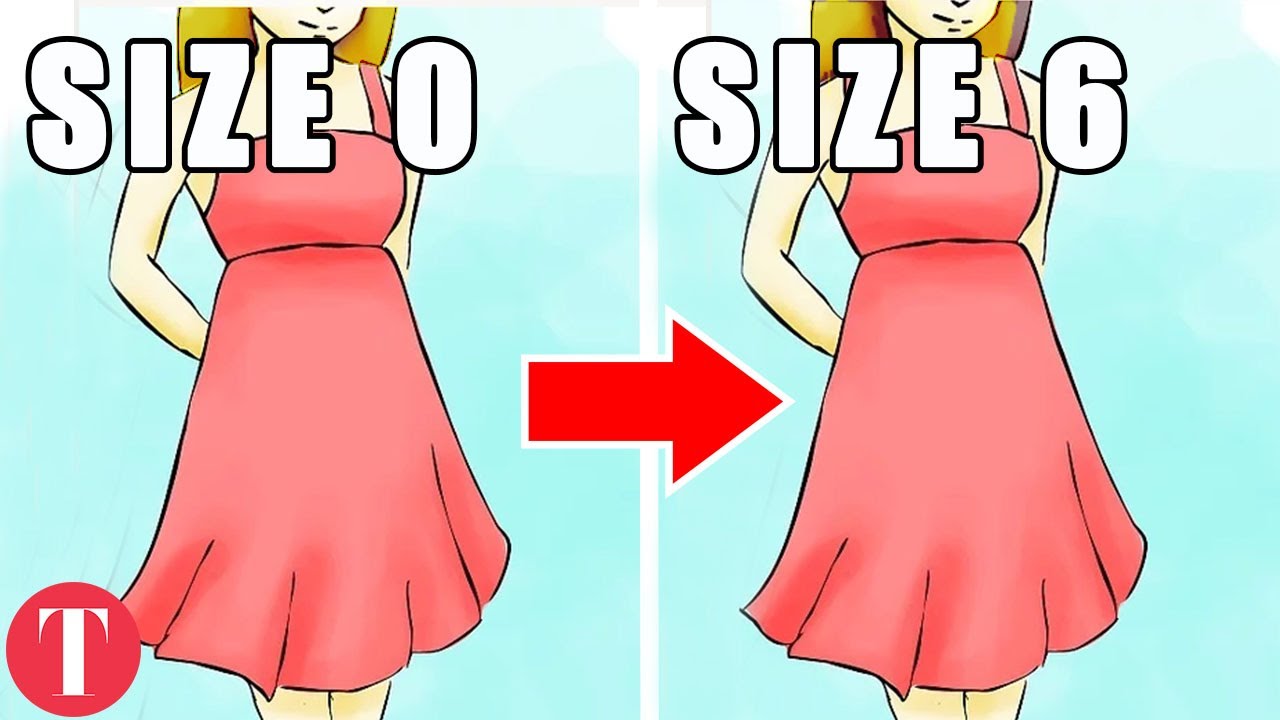

The racks look effortless, but almost nothing about a fashion retailer’s store is left to chance.
A 2017 breakdown from TheThings Celebrity, titled “10 Things Fashion Retailers DON’T Want You To Know,” pulls back the curtain on how clothing brands and the magazines that cover them actually operate. The video walks through the freebies flowing to editors, the fake discounts stacked on price tags, and the store design tricks built to keep shoppers grabbing extra items on the way to the register.
- Fashion labels routinely give free merchandise, luxury garments, and exclusive perks to magazine editors and influencers to secure repeat product placement.
- Retailers inflate the “original” price on a tag before slashing it, so a markdown looks far bigger than it really is.
- Store lighting, layout, and display design are engineered to trigger impulse buys while hiding the real manufacturing cost and rapid turnover behind fast fashion.
The Gifting Economy Behind Every Glossy Spread
Notice how the same handful of brands seem to show up in every issue of your favorite fashion magazine? That’s rarely a coincidence. Labels court editors and digital influencers with free clothing, accessories, and VIP perks in exchange for the kind of recurring coverage that makes a brand look inescapable rather than heavily paid-for. It’s an open secret inside the industry, though most consumers scrolling past a glowing write-up have no idea the piece landed on an editor’s desk as a gift rather than a purchase.
What started as the occasional sample or gift bag has grown into something closer to a full-blown media relationship, with brands treating editorial placement the same way a publicist treats a red carpet appearance — a strategy not unlike the image management celebrities lean on, as covered in stories about public figures who aren’t quite what they seem. The result is a fashion press that looks organic on the page but is often shaped, garment by garment, behind the scenes.
Markups and Manufactured Urgency
The video also digs into how retailers price their racks. Clothing is frequently marked up well beyond what it costs to produce, and the same exact item can turn up at multiple retailers under different labels and price points because so many stores buy from the same manufacturers rather than making their own goods.
Then there’s the sale itself. Retailers often inflate the “original” price before slapping on a discount, so a $30 markdown feels like a steal when the true gap between cost and price was never that dramatic to begin with. Combine that with limited-time signage and countdown-style promotions, and shoppers end up making decisions based on manufactured pressure rather than an actual bargain.
Retailers will increase the price of a product before advertising a discount to make it appear like a better deal.
The Store Layout Playbook
Walk into any fashion retailer and you’re moving through a space that’s been mapped out to maximize spending. Lighting, shelf placement, and the path from the entrance to the fitting rooms are all designed to slow shoppers down near higher-margin items and nudge them toward impulse buys they didn’t walk in looking for.
That same staging extends to how items are photographed and styled for lookbooks — the kind of curated presentation that mirrors how designer gowns get showcased for maximum visual impact, similar to the attention paid to the most expensive designer gowns ever put on display. It’s presentation built to sell an aspiration, not just a garment.
Hidden Realities Behind Retail Racks
Underneath the polished displays sits the fast fashion cycle: cheap production, quick turnover, and clothes designed to be replaced within a season or two. The video frames this as the real cost consumers rarely see — the gap between what a garment costs to make and what gets charged at checkout, propped up by markdowns that were never as generous as they looked and coverage that was never as unpaid as it seemed.
Put those three pieces together — the gifting, the pricing games, and the store design — and the video’s ten points boil down to one throughline: almost every part of the shopping experience, from the magazine feature to the sale sticker to the lighting overhead, is built to look spontaneous while being anything but.




My First Slumber Party – Storytime
10 DIY Girl Fashion Trends Guys Love
ANNABELLE COMES HOME (2019) Ending + New Spirits Explained
Justin And Hailey May Be Ready For Kids Soon
Pat McGrath Gave Us A FOUNDATION And I’m…| Jackie Aina