

Trump’s Tweet About Aretha Franklin Sparks Backlash
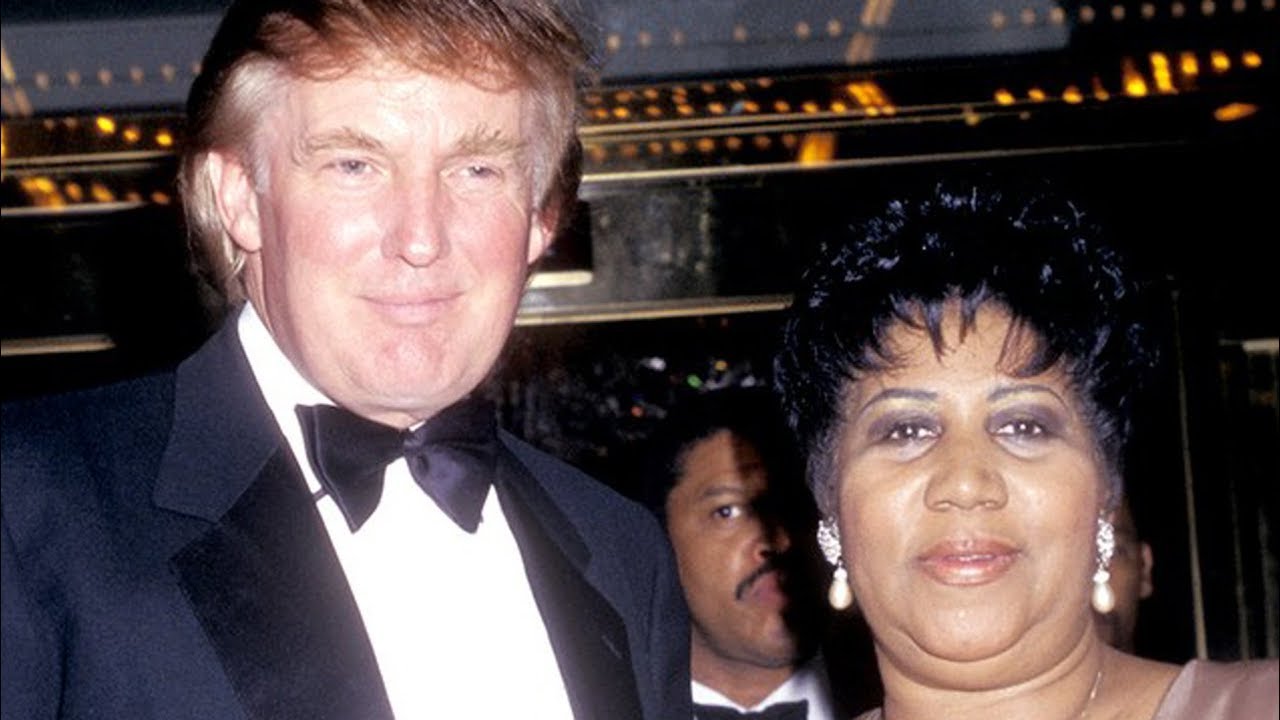

A presidential condolence turns into a viral controversy overnight.
Aretha Franklin died on August 16, 2018, in Detroit at age 76 after a battle with pancreatic cancer, and tributes poured in from across the political spectrum within hours. President Donald Trump was among the first world leaders to react publicly, first on Twitter and then in person during a Cabinet meeting the following morning. His choice of words in that second appearance is what set off a wave of criticism that dominated social media for the rest of the day.
- Trump’s initial tweet called Franklin “a great woman, with a wonderful gift from God, her voice,” adding “She will be missed!”
- During Cabinet remarks, Trump said Franklin “worked for me on numerous occasions” before calling her “terrific” and praising her legacy.
- Critics pointed to Franklin’s actual history with Trump — headlining shows at Trump Castle and other Atlantic City venues as a booked performer in the late 1980s and ’90s — as proof the “worked for me” framing was tone-deaf.
Trump Official Statements Analyzed
Trump’s tweet landed first and drew little objection on its own. “The Queen of Soul, Aretha Franklin, is dead. She was a great woman, with a wonderful gift from God, her voice. She will be missed!” he wrote, a message that read as fairly standard for a presidential condolence post. The trouble started the next morning, when reporters asked him to expand on the loss ahead of a scheduled Cabinet meeting at the White House.
“I’d like to begin today by expressing our condolences to the family of a person I knew well,” Trump told the room. “She worked for me on numerous occasions. She was terrific — Aretha Franklin — on her passing. She’s brought joy to millions of lives, and her wonderful legacy will live on.” The phrase “she worked for me on numerous occasions” is the line that took off online almost immediately.
Immediate Backlash Follows Remarks
Franklin was a 18-time Grammy winner, the first woman inducted into the Rock and Roll Hall of Fame, and a singer whose career stretched from gospel records in the 1950s to civil rights anthems in the 1960s to command performances for Presidents Jimmy Carter, Bill Clinton and Barack Obama. Critics said reducing that résumé to an employer-employee relationship with a real estate developer and casino owner was both factually thin and symbolically off. Franklin had, in fact, performed at Trump-owned venues in Atlantic City decades earlier as a headlining act — the same way she performed at countless other clubs, arenas and inaugurations — but she was never on his payroll in any conventional sense.
“She worked for me on numerous occasions.”
That single sentence became the focal point of the backlash, with commentators and fans on Twitter accusing the president of centering himself in a tribute to one of the most influential vocalists in American history. The framing struck many as an odd echo of Trump’s tendency to describe relationships in transactional terms, even in a moment meant to honor an artist widely regarded as the Queen of Soul.
A Pattern of Awkward Public Remarks
This wasn’t the first time a politician’s off-the-cuff phrasing overshadowed the sentiment behind it, and it’s part of a recurring theme in how public figures handle moments that call for careful, unscripted tribute. It’s the kind of stumble that fits alongside other inappropriate things politicians said on live TV, where a single word choice ends up defining the news cycle more than the substance of the message. And in an era where every remark is clipped, shared and dissected within minutes, it’s also a reminder of how quickly a public figure’s own words can turn into the story, a dynamic that’s sunk plenty of public figures the way it has for reporters who ruined their careers on social media.
Franklin’s funeral and the wider public mourning were just getting underway when Trump’s comment went viral, meaning the controversy played out alongside — rather than after — the initial wave of tributes from fellow artists, former presidents and civil rights leaders. That timing only sharpened the contrast critics were drawing: while others spoke of Franklin’s voice as a force for the civil rights movement, the president’s own words kept circling back to himself.




12 Best Makeup Styles Based On Your ZODIAC SIGN
Personality Test: What Kind Of Friend Are You?
Honey Boo Boo Has Grown Up Quite A Bit
10 Things Girls Can NEVER Say ‘NO’ To
Star Wars: Visions | Original Trailer | Disney+