

Why Hollywood Won’t Cast Katherine Heigl Anymore
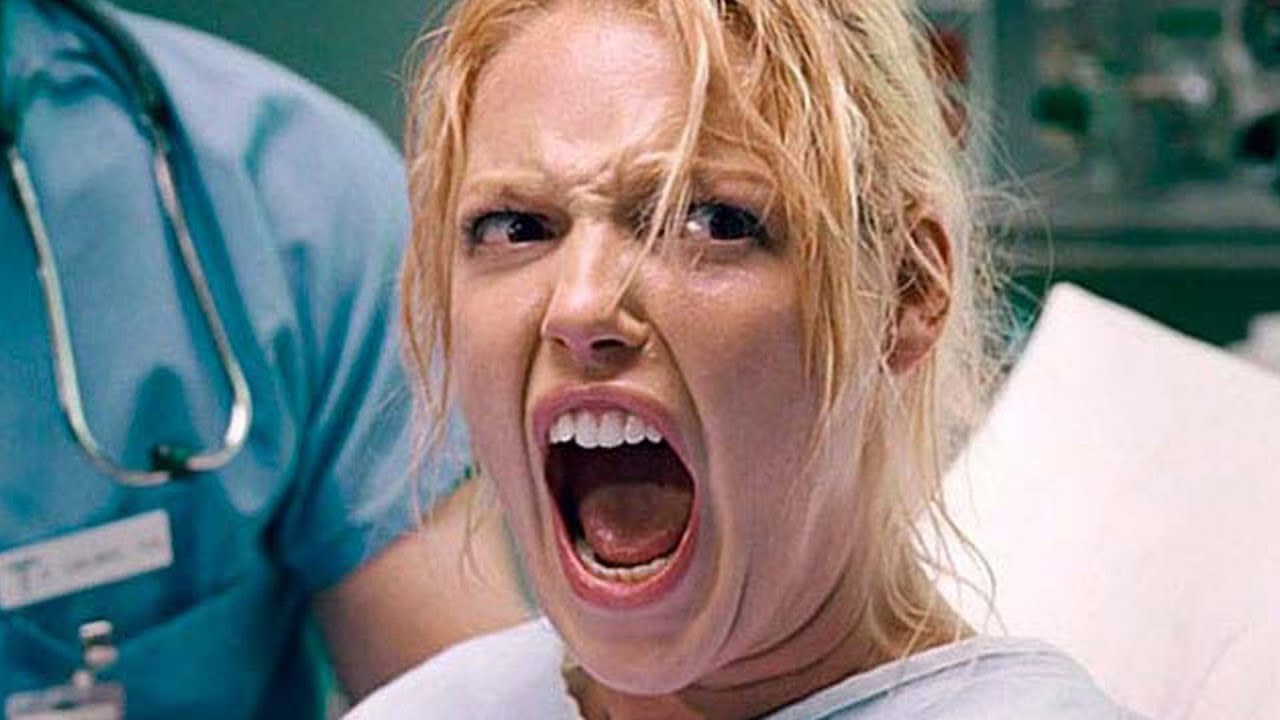

Katherine Heigl went from Emmy winner to industry punchline in roughly two years — and she did almost all of the damage herself.
Katherine Heigl won an Emmy in 2007 for playing Dr. Izzie Stevens on “Grey’s Anatomy,” then rode that momentum into two of the decade’s biggest romantic comedies, Judd Apatow’s “Knocked Up” and “27 Dresses.” Studios were lining up to make her a leading lady. Within a few years, none of them were calling. The story of what happened in between is less about one scandal than a string of self-inflicted wounds, each one closing off another avenue back to relevance.
- In a late-2007 Vanity Fair interview, Heigl called “Knocked Up” — the movie that made her a star — “a little sexist,” permanently souring her relationship with co-star Seth Rogen and director Judd Apatow.
- She withdrew her own name from Emmy consideration in 2008, saying “Grey’s Anatomy” hadn’t given her material worthy of a nomination, then told David Letterman in 2009 the show’s 17-hour days were “cruel and mean” before exiting in 2010.
- Big-budget vehicles “Killers” (2010) and “One for the Money” (2012) flopped, and her TV comeback attempts — NBC’s “State of Affairs” (2014) and CBS’s “Doubt” (2017) — both suffered steep ratings drops and got canceled quickly.
The Interview That Started It All
Heigl’s trouble began at the peak of her career. “Knocked Up” had just made her a bankable name opposite Seth Rogen, but when Vanity Fair asked her about the film in late 2007, she didn’t play along with the usual press-tour gratitude. She said the movie was “a little sexist,” arguing it painted the women as “shrews, as humorless and uptight” while the men got to be lovable stoners. The comment landed exactly how you’d expect it to land with Apatow and Rogen, and the rift never really healed — Rogen has referenced it publicly for years afterward, and Heigl herself later admitted the remark was a mistake she wished she could take back.
That single quote reset how the industry saw her. She wasn’t just an actress anymore; she was an actress who bit the hand that fed her, on the record, before the movie had even finished its run in theaters.
Burning Bridges at Grey’s Anatomy
If the Apatow comments cost her goodwill in the film world, what happened next cost her goodwill on television. In 2008, Heigl pulled her own name from Emmy contention, publicly stating the “Grey’s Anatomy” writers hadn’t given Izzie Stevens material strong enough to merit a nomination — a direct shot at showrunner Shonda Rhimes and her writing staff. She followed that up in 2009 by telling David Letterman on his own show that the series’ 17-hour shooting days were “cruel and mean,” a line that circulated widely and did not sit well with a production that employed hundreds of people working those same hours.
“It’s a little sexist” — the four words about “Knocked Up” that Katherine Heigl has never fully outrun.
She left “Grey’s Anatomy” in 2010, and the departure read less like a graceful exit and more like the final chapter of a two-year fight with the people who’d made her famous. Rhimes never publicly torched her on the way out, but the industry noticed exactly who had criticized whom, and word travels fast in a town this small — the same kind of fallout chronicled in stories about celebs who started out friends and ended up enemies.
A Reputation for On-Set Difficulty
Around the same time, a parallel narrative was building: reports describing Heigl as “desperately difficult” to work with on set. That reputation didn’t come from nowhere — much of it traced back to her mother and manager, Nancy Heigl, who developed her own notoriety in Hollywood for aggressive demands and combative behavior with producers and crews. When an actress’s own management becomes a running problem for productions, casting directors start weighing that risk against whatever box-office draw she still has left.
It’s the kind of dynamic that shows up again and again in entertainment — talent who alienate the very people they need on their side, the same pattern examined in pieces about actors who treat their co-stars like trash. For Heigl, the “difficult” label stuck precisely because it arrived at the same moment as her public feuds with Apatow, Rogen, and Rhimes — three separate storylines that all pointed to the same conclusion in studio offices.
The Numbers Stop Adding Up
Reputation only matters in Hollywood if the box office bails you out, and Heigl’s didn’t. “Killers” in 2010 and “One for the Money” in 2012 were both big-budget bets that underperformed critically and commercially, turning her from a proven romantic-comedy draw into a financial liability. Her attempts to rebuild on network television fared no better: NBC’s “State of Affairs” in 2014 and CBS’s “Doubt” in 2017 both saw their ratings collapse fast enough that networks canceled them within a single season.
By the time “Doubt” got pulled in 2017, Heigl had strung together nearly a decade of projects that either alienated a key collaborator or lost money — often both at once. That combination is what actually closes doors in this business, more than any single quote ever could.
Heigl hasn’t disappeared — she’s kept working steadily in smaller film and TV roles — but she hasn’t landed the kind of lead vehicle that made her a household name in 2007 and 2008. The gap between the Emmy winner on “Grey’s Anatomy” and the actress bouncing between quickly-canceled network dramas is the whole story, and as of late 2018, nothing on her schedule suggests that’s about to change.





Chris Broussard thinks NBA players should get longer deals to stop trade demands | NBA | THE HERD
Charlo vs Castano HIGHLIGHTS: July 17, 2021 | PBC on SHOWTIME
30 Girls Justin Bieber Has Slept With
Meghan Markle And Prince Harry Reportedly Confirm What We Suspected All Along
Adam Levine Breaks His Silence On Super Bowl Drama