

Who ACTUALLY Made Your Car? | WheelHouse
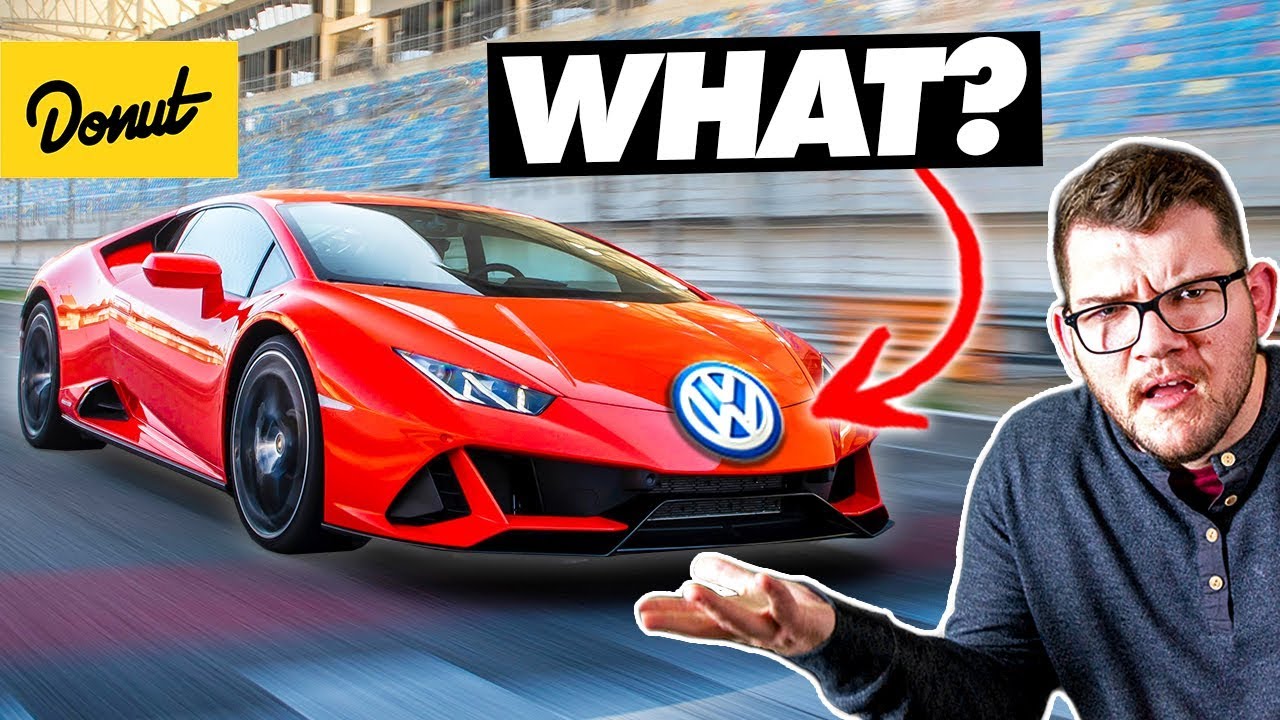

The badge on your hood tells you almost nothing about who actually built the car underneath it.
In the July 2019 Donut Media episode “Who ACTUALLY Made Your Car? | WheelHouse,” host Nolan Sykes takes apart one of the most common assumptions car buyers make: that the company whose logo sits on the grille built the vehicle from the ground up. It rarely works that way. Sykes walks through the tiered supplier system that actually produces most of a modern car’s parts, and why two vehicles with different badges can share nearly everything but the sheet metal.
- Sykes breaks down a three-tier global supplier structure feeding into every OEM, from major systems builders down to raw-material vendors.
- Tier 1 suppliers named in the episode — Bosch, Continental, Magna, Denso, and ZF — build complete systems like braking, steering, transmission hardware, and airbag modules that go straight to automakers.
- The episode notes that shared platforms, engines, and supplier contracts mean rival brands often sell vehicles built on identical underlying architecture.
OEMs Design and Assemble, They Don’t Build Everything
Sykes lays out the basic split at the heart of the episode: an Original Equipment Manufacturer designs a vehicle, brands it, and handles final assembly, but the individual components bolted together on the line come from outside companies. The automaker’s real job, as Sykes frames it, is engineering the overall product and stitching together thousands of outsourced parts into something that drives, stops, and passes crash tests under one name.
The Tier 1 Giants Nobody Puts on a Bumper Sticker
The episode’s most concrete detail is the list of Tier 1 suppliers doing the heavy lifting behind the scenes: Bosch, Continental, Magna, Denso, and ZF. These firms engineer and manufacture entire integrated systems — electronic control modules, braking and steering assemblies, transmission hardware, and airbag modules — and ship them directly to automakers for installation. Sykes points out that these are some of the biggest companies in the auto industry, even though most drivers have never heard of them.
An automaker’s badge reflects final engineering, branding, and assembly — not exclusive manufacturing by a single company.
Tier 2 and Tier 3 Trace the Supply Chain to Raw Steel
Sykes doesn’t stop at Tier 1. Those major suppliers lean on Tier 2 vendors for specialized sub-components — microchips, sensors, molded plastics — the smaller pieces that go into a Bosch braking system or a ZF transmission. Below that sit Tier 3 suppliers, who source the raw materials themselves: steel, aluminum, and rubber. It’s a chain that starts with a slab of metal and ends, several companies later, with a finished airbag module bolted into a dashboard.
Common Platforms Underpin Competing Vehicles
The episode’s bigger point is about globalization and cost. Because automakers routinely license the same platforms, engines, and supplier contracts across brands, two cars wearing completely different logos can be built on identical underlying architecture with nearly identical components underneath. Sykes uses this to explain why badge-engineered siblings from different manufacturers can feel so similar to drive — because mechanically, they often are.
Sykes wraps the episode by reframing the whole question: a car’s badge tells you who designed it, who branded it, and who bolted it together at the end of the line — not who actually built most of what’s inside it. It’s a supply chain built the same way plenty of massive, sprawling projects get built, the kind of scale you see when a crew tries something as absurd as turning a single stunt into a citywide operation — dozens of hands, a dozen different specialties, one name on the finished product.







The Biggest Celebrity Prison Sentences That Were Cut Short
Film Theory: Spiderman Saved NO ONE (3 Spiderman No Way Home Theories)
Sharon Bush Wasn’t Invited To George H.W. Bush’s Funeral
10 Kids Cartoon Characters Reimagined As ADULTS
10 Struggles Only Girls Can Understand