

 InfoSearched
Ten Barbie dolls that Mattel wishes it could take back.
Barbie has been on toy shelves since 1959, but not every version of her made it to a happy ending. Over six decades, Mattel released dolls that drew boycotts, forced public apologies, and got yanked from stores outright. This rundown covers the ten releases that turned Barbie from a toy into a headline.
- Mattel’s 1992 Teen Talk Barbie uttered the pre-recorded phrase “Math class is tough,” drawing formal protest from the American Association of University Women and forcing a public apology.
- The 1965 Slumber Party Barbie shipped with a bathroom scale permanently fixed at 110 pounds and a diet booklet that read simply “Don’t eat!”
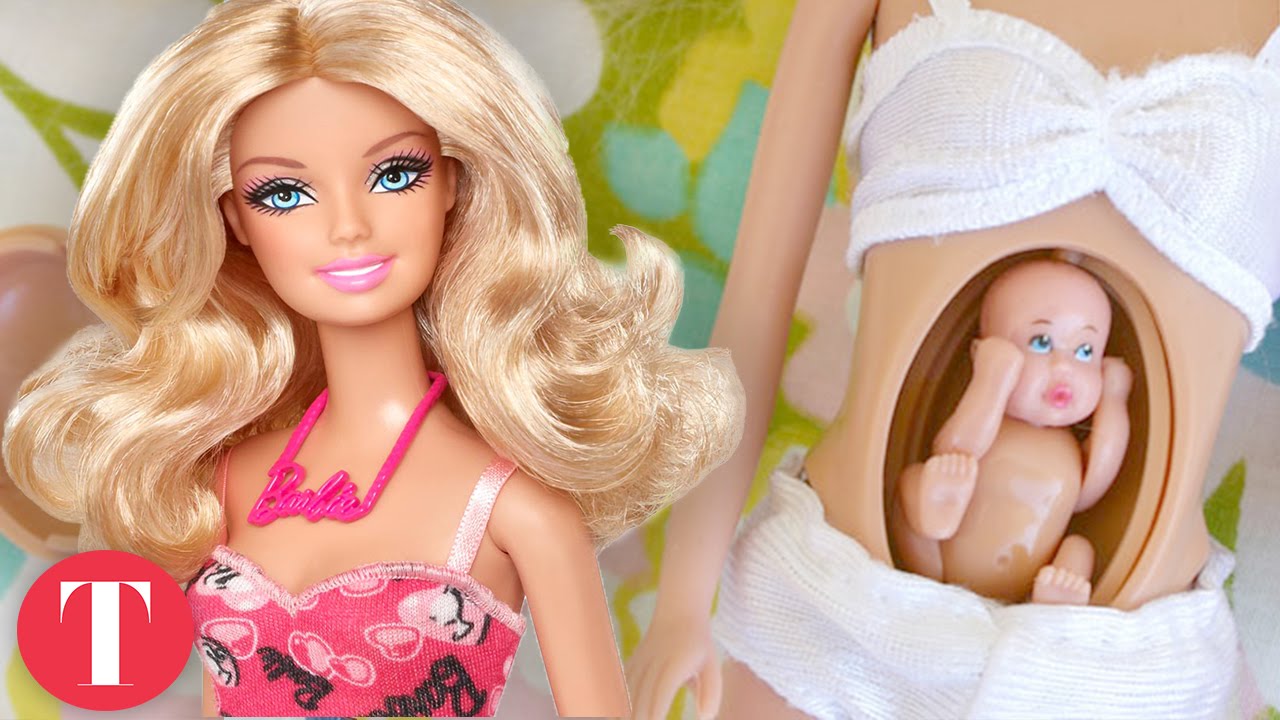
- Walmart pulled the 2002 pregnant “Happy Family” Midge doll, which had a magnetic, detachable baby belly, after parents complained it promoted teen pregnancy.
The Body Image Complaints
Barbie’s earliest controversies were about weight before anyone was talking about representation. The 1965 Slumber Party Barbie is the case study everyone points to: a doll built around dieting, sold to children as young as three. A decade later, Mattel doubled down on a different kind of body messaging with the 1975 Growing Up Skipper, a doll that grew breasts and a longer torso when you rotated her left arm — a mechanism critics said reduced puberty to a party trick.
Those two releases set the template for a pattern that repeated for decades: Mattel builds a doll around a physical gimmick, and parents groups respond with letters, boycotts, and press coverage that Mattel didn’t see coming.
Barbie Dolls Gain Conversational Abilities
Nothing hit harder than 1992’s Teen Talk Barbie. Each doll spoke four randomly selected phrases pulled from a bank of 270, and one line — “Math class is tough” — landed in enough boxes to trigger a national reaction. The American Association of University Women went public with its objection, arguing the doll reinforced the exact stereotype the group was fighting: that girls shouldn’t be good at math.
“Math class is tough.”
Mattel apologized and pulled the phrase from circulation, but the damage to the doll’s reputation was already done. It remains the most cited example of Barbie’s voice getting a toy company in trouble.
Accidental Icons and Accessibility Gaps
Not every controversy was about what Barbie said — some were about what she couldn’t do. The 1997 Share a Smile Becky doll, marketed as Barbie’s friend in a wheelchair, hit a design wall almost immediately: the wheelchair didn’t fit through the doors or into the elevator of the Barbie Dreamhouse, undercutting the entire point of the release.
That same year, Mattel put out Earring Magic Ken, a doll with a lavender mesh shirt, a necklace, and a ring, that got embraced — unintentionally, as far as Mattel was concerned — as a gay icon rather than the mainstream boyfriend figure the company had designed. Mattel pulled the doll from shelves not long after.
Racial Missteps and Safety Recalls
Cultural sensitivity has tripped up the brand more than once. The 1997 Oreo Fun Barbie, a cross-promotion with Nabisco, drew accusations of racial insensitivity and was withdrawn. Sixteen years later, the 2013 passport-carrying Mexico Barbie, part of Mattel’s “Dolls of the World” line, faced similar backlash over its depiction.
Safety problems piled on top of the cultural ones. The 2006 Barbie & Tanner playset, which included a dog with a magnet-based feeding mechanism, was recalled over loose magnets that posed a swallowing hazard. Body modification also became its own flashpoint: the 2009 Totally Stylin’ Tattoos Barbie and the 2011 collector-focused Tokidoki Barbie both generated complaints from parents who didn’t want tattoo imagery marketed alongside a children’s toy.
The Pregnancy Doll Walmart Wouldn’t Stock
The clearest case of a retailer overruling Mattel came in 2002 with the “Happy Family” Midge doll. Midge came pregnant, with a magnetic belly that popped off to reveal a baby underneath — a feature parents said normalized teen pregnancy for young kids. Walmart pulled the doll from its shelves in response to the complaints, one of the few times a major retailer, rather than Mattel itself, made the call to stop selling a controversial Barbie release.
Mattel kept making dolls after every one of these blowups, and Barbie is still the top-selling fashion doll in the country — but the company got noticeably more cautious about gimmicks tied to bodies, weight, or family status after the Midge fallout, which tells you which controversy actually moved the needle inside Mattel’s design meetings.



Celebrities Who Treat Their Significant Others Like Trash
The Untold Truth Of Hailey Baldwin
10 Hot Celebs Who Used To Be Ugly Ducklings
10 Celebs Who Are Addicted To Video Games
What Does Your LIP COLOR Say About You ?