

10 Of The Hardest Choices Ever To Test Your Personality
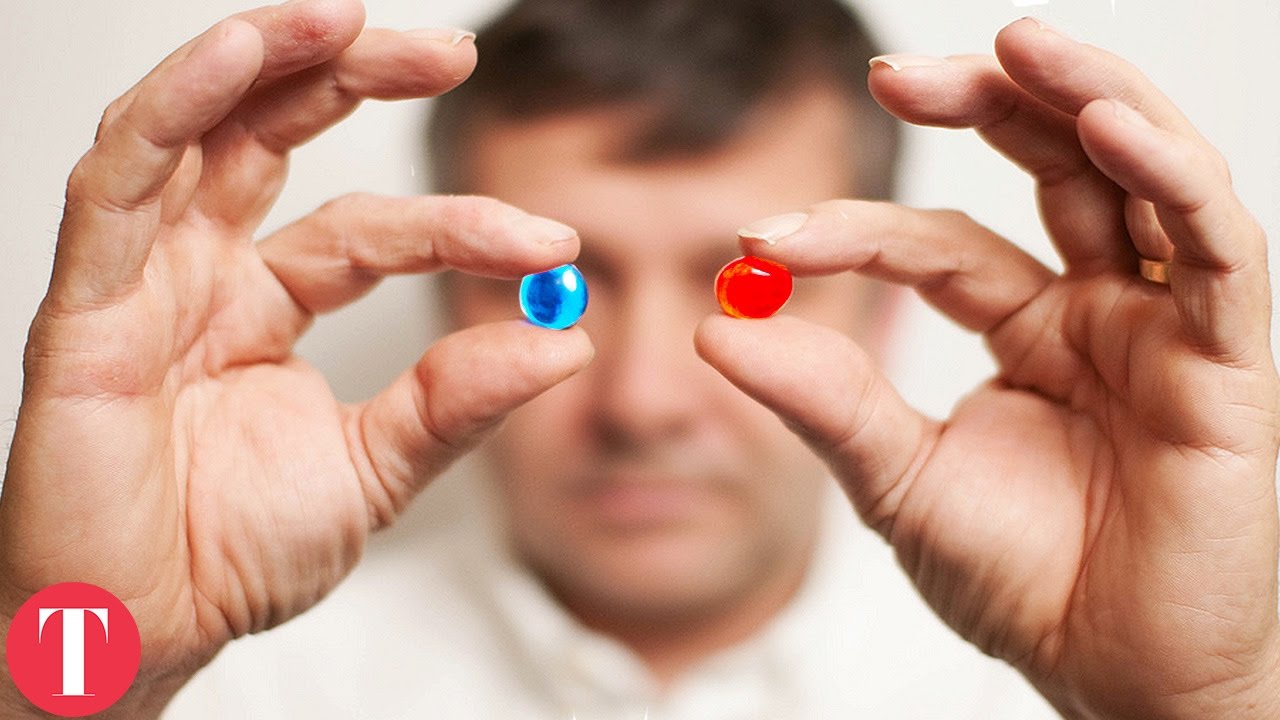

Ten binary choices, no right answers — just a mirror.
TheThings Celebrity dropped a different kind of video on March 23, 2017: no red carpet, no scandal, just ten rapid-fire dilemmas designed to strip away small talk and get at what a viewer actually values. The format, a staple of mid-2010s YouTube pop-psychology content, forces a binary pick — this or that, no middle ground — then breaks down what the choice supposedly says about the person making it.
- The ten-question format pits viewers against forced binary decisions meant to expose risk tolerance, empathy, and moral priorities rather than trivia knowledge.
- Featured dilemmas include passion versus financial security, love versus career ambition, sudden wealth versus long-term education, and sacrificing prized belongings to help loved ones.
- Each answer is tied to a psychological label — security-focused pragmatism, high-risk idealism, empathy-driven relationship orientation, or utilitarian rationalism.
The Forced-Choice Format
There’s no scoring rubric and no “correct” side to land on — that’s the point. The video walks through ten scenarios back to back, each one built to be genuinely uncomfortable to answer, and pairs the choice with a short read on what it reveals. It’s the same structural trick behind viral list-style tests that spread across entertainment channels in this era, built specifically to spark disagreement in the comments rather than settle anything.
That comment-section engine is really the engine of the whole genre. Channels leaned on these quizzes precisely because viewers don’t just watch — they argue, they defend their pick, they tag friends to see what they’d choose. It’s a cheaper, faster cousin to the kind of hypothetical-stakes setup you’ll find in high-pressure challenge videos, minus the physical stakes.
Money, Passion And Security
The first marquee dilemma lands early: chase an unstable dream career or take the dependable paycheck. It’s framed as ambition against survival, and the video treats the answer as a straight read on whether someone leans toward risk-taking idealism or security-first pragmatism.
A second money-adjacent scenario swaps the stakes — a sudden windfall of cash versus investing in education and long-term knowledge. The instant-gratification pick versus the compounding-payoff pick is meant to separate short-term thinkers from long-game planners, and it’s one of the sharper binaries in the set precisely because there’s a real argument for both sides.
Ten choices, no partial credit — pick one and the video tells you exactly what that says about you.
Love, Loyalty And Ambition
The relationship dilemma is the one that tends to generate the most comment-section pushback: stay with a partner or take the career move that means relocating and leaving that relationship behind. The video categorizes the pro-relationship pick as empathy-driven relationship orientation, while the career pick reads as ambition-first thinking — a split that mirrors the kind of loyalty-versus-ambition debates that show up constantly in celebrity relationship fallouts once real careers and real feelings collide.
The belongings-versus-altruism scenario closes out the emotionally heavier half of the list: give up a prized possession to help out family or friends, or hold onto it. It’s structured as the most straightforward test of the batch — sentimental attachment against selflessness — and it’s the one the video frames as the clearest giveaway of whether someone defaults to self-interest or other-interest under pressure.
Choices Reveal Underlying Priorities
Strip away the production polish and this is the same trick behind every good hypothetical challenge — including offbeat viral tests like skill-based dares that spread for the same reason: force someone into a corner, then hold up a label. Security-focused pragmatism, high-risk idealism, empathy-driven orientation, utilitarian rationalism — the four archetypes the video keeps circling back to, mapped against ten scenarios that are deliberately impossible to answer comfortably.
None of it is diagnostic in any clinical sense, and the video never claims otherwise. It’s built to be shared, argued over, and answered differently by two people watching in the same room — which is exactly why the format kept getting recycled across entertainment channels through 2017, one binary choice at a time.









10 Biggest Celebrity Snapchat FAILS
Primitive Technology: Crossdraft kiln
Roman Reigns narrowly avoids backstage calamity: SmackDown LIVE, July 30, 2019
Strange Things About Nick Jonas And Priyanka Chopra’s Relationship
The Many Secrets Prince Tried To Hide