

I Tested Food Hacks from TV COMMERCIALS 3!! (DIY FAST FOOD HACKS)
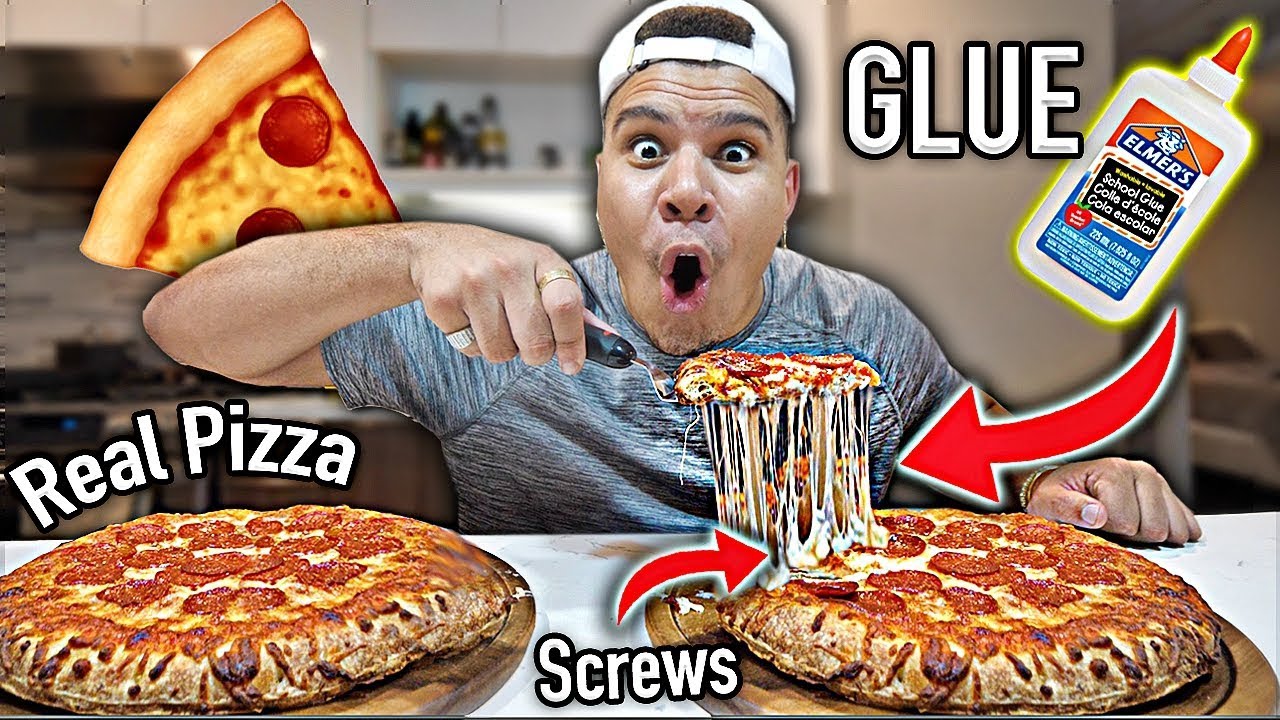

Fast food commercials have been lying to you for decades, and MoreWolfie just proved it with a blowtorch and a jar of shoe polish.
In “I Tested Food Hacks from TV COMMERCIALS 3!!” YouTuber MoreWolfie returns for the third round of a recurring investigation into how advertising agencies make a soggy drive-thru burger look like a Michelin-plated masterpiece on screen. Rather than testing “life hack” shortcuts for ordering food faster, the video digs into the actual staging tricks food stylists and commercial photographers use to fake freshness, char, and shine for the camera. MoreWolfie recreates each trick at home, then holds it up next to the real fast food item it’s supposed to be selling.
- MoreWolfie tests substituting motor oil or brown sauce for edible syrup to get that glossy pancake drizzle that never actually gets eaten on set.
- The video recreates the classic glue-instead-of-milk cereal bowl trick, so the flakes float perfectly under studio lights for hours without going soggy.
- Burger and vegetable components get rigged with cardboard spacers and toothpicks, while a blowtorch and shoe polish are used to fake grill marks and roasted finishes.
The Motor Oil and Glue Tricks
The video opens with two of the most infamous tricks in the food-styling playbook. Motor oil and brown sauce, MoreWolfie shows, pour with a thicker, glossier sheen than actual maple syrup and hold their shape under hot lights far longer than the real thing — exactly why stylists reach for it instead of anything you’d actually want on a pancake. The glue-for-milk swap gets the same treatment: pouring white glue into a cereal bowl keeps the flakes sitting up and separated instead of collapsing into mush, which is the entire point when a commercial shoot can run for hours on a single bowl.
MoreWolfie’s side-by-sides make the gap obvious. The commercial version looks glossy and structured; the edible version looks like, well, breakfast. That contrast is the running joke of the whole series — these aren’t cooking hacks meant to help you eat better, they’re deception techniques built for a camera lens, not a fork.
Cardboard, Toothpicks, and the Anatomy of a Fake Burger
Burgers get the most hands-on treatment in the video. MoreWolfie shows how cardboard spacers get wedged between the bun, patty, and toppings to hold everything at maximum height, while toothpicks skewer lettuce, tomato, and onion into place so nothing slumps during a lighting setup. The result is the tall, geometrically perfect burger from the menu board that no drive-thru window has ever actually handed anyone.
The real order sags. The commercial version stands at attention — because it’s held together with hardware, not appetite.
It’s the same disconnect fans of exposing celebrity image management love to see debunked elsewhere — the polished version of something is rarely the honest version, whether that’s a burger ad or, as covered in pieces like reality stars who treat their co-stars like trash, a carefully managed public persona.
Blowtorches, Shoe Polish, and Faux Grill Marks
For grilled chicken and steak shots, MoreWolfie tests the blowtorch method directly, charring the surface to create deep, dramatic grill lines that a stovetop or actual grill grate can’t reliably reproduce on demand. Shoe polish gets brushed onto meat as a browning agent, giving it that deep roasted mahogany color TV lighting otherwise washes out. Both tricks look convincing on camera and both, obviously, are things nobody should put in their mouth.
MoreWolfie walks through each application step by step, noting how visually convincing the results are even though the ingredients have nothing to do with food. It’s the same kind of “how did they actually do that” curiosity that drives viewers to breakdown videos of visual effects and staged television moments in general — the mechanics behind the illusion end up being more interesting than the illusion itself, similar to how audiences chase behind-the-scenes reveals in the vein of performers who were caught lip syncing on live TV.
Real Order vs. Elevated Version
The through-line of the video, and the series overall, is the direct comparison MoreWolfie sets up between an actual fast food order and the “elevated” non-edible version built to match its TV ad. Every trick tested — the oil, the glue, the cardboard, the torch, the polish — exists purely to widen that gap between the counter and the commercial. None of it is meant to be eaten, and MoreWolfie makes a point of showing just how far off the real product falls once the styling tricks are stripped away.
This is the third installment in the series, and by now the format is dialed in: test the trick, show the visual payoff, then set it next to the fast food it’s supposedly advertising. The gap between the two never gets any smaller.


Mary Kate Olsen And Ashley Olsen’s Statement On Bob Saget Is Deeply Emotional
10 Most Influential Transgender People In The World #ProudToBe
FC Barcelona – SCC Napoli (4-0) HIGHLIGHTS
Shady Things About Drake Everyone Ignores
A Timeline Of Zendaya And Tom Holland’s Relationship