

ANTSTORE: World of Ants | An Ant Lover’s Wonderland
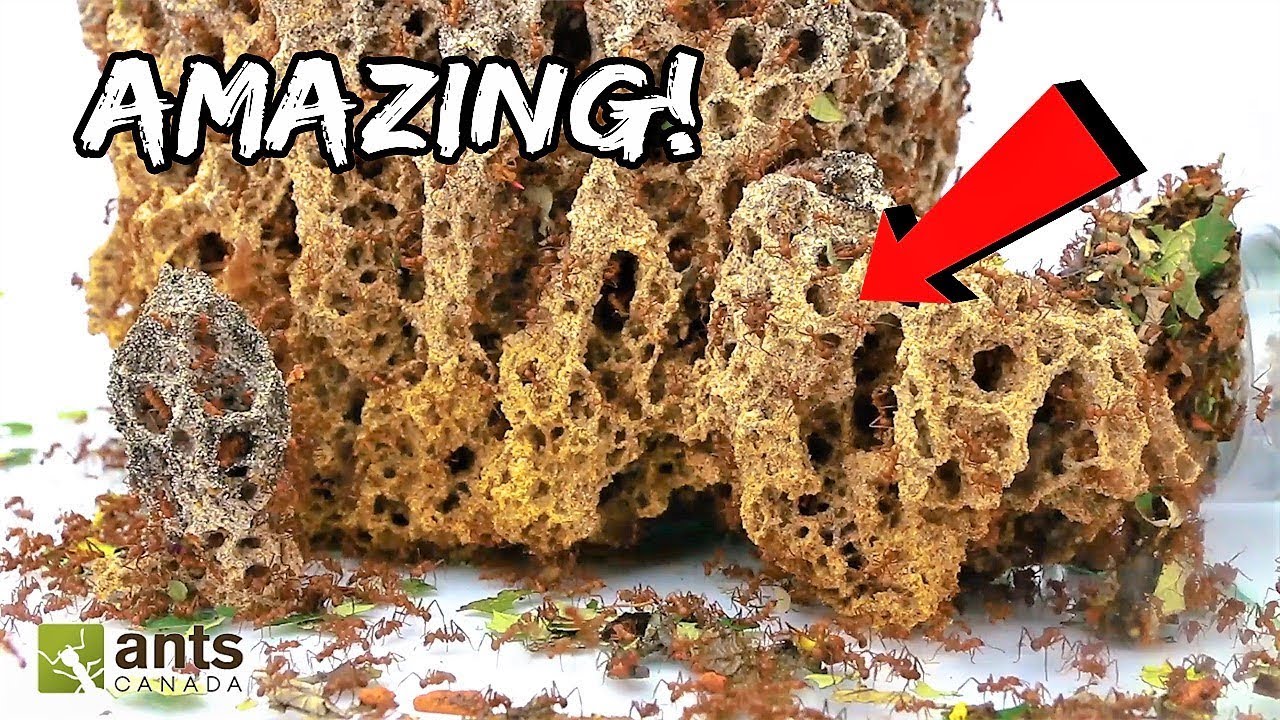

A store in Berlin has turned ant-keeping from a backyard curiosity into a full retail industry.
In “ANTSTORE: World of Ants | An Ant Lover’s Wonderland,” AntsCanada host Mikey Bustos walks through the Antstore retail shop and headquarters in Berlin, Germany, one of the earliest commercial operations built entirely around formicariums and live ant colonies. Founder Martin Sebesta gives Bustos a tour of the shop floor and gets into the hobby’s biggest fault line: whether sellers like Antstore should be distributing non-native ant species to keepers around the world. It’s a niche corner of the pet trade, but the stakes Martin describes — legal compliance, escape-proof housing, customer education — sound a lot like arguments you’d hear in any exotic-animal business.
- Antstore, founded by Martin Sebesta, operates a full physical retail shop and headquarters in Berlin dedicated specifically to ant-keeping products and live colonies.
- The shop’s ANTCUBE line includes glass nest arenas, plaster and digging setups, and specialized tubing systems, displayed alongside live colonies of leafcutter ants and various Camponotus and Messor species.
- Martin addresses the hobby’s central controversy — selling non-native ant species to keepers — by outlining Antstore’s housing-security standards, customer education practices, and legal compliance measures.
Inside the Berlin Shop Floor
Bustos films Antstore’s facility as a working showroom, not a warehouse — shelves and display cases lined with commercial formicariums built for keepers at every level. The ANTCUBE line anchors the setup, with glass nest arenas sitting next to plaster and digging-substrate enclosures designed to mimic the tunneling behavior of species that dig their own galleries in the wild, plus specialized tubing systems used to link nest chambers to outworld feeding arenas.
The live displays are the draw for hobbyists watching the video: leafcutter ant colonies, whose foraging trails and fungus-farming behavior make them one of the most requested species among serious keepers, sit alongside multiple Camponotus and Messor colonies. Camponotus — the carpenter ants — and Messor, the harvester ants known for seed-collecting behavior, represent two of the genera most commonly kept by hobbyists who’ve moved past a single starter colony into building out a real collection.
The Non-Native Species Debate
The centerpiece of Bustos’s conversation with Martin is the fight that’s been simmering across the global ant-keeping community: should retailers be allowed to sell exotic, non-local ant species to keepers who may have no experience containing them? Conservationists and critics raise the same concerns that come up with any exotic pet trade — invasive-species risk if colonies escape or are released, and the ecological impact non-native ants could have if they establish outside their native range.
Martin lays out Antstore’s counter-argument directly to camera, framing the business around containment and compliance rather than open access.
Housing security, customer education, and legal compliance are the three things Martin says have to be in place before Antstore will ship an exotic colony to a keeper.
That framing matters because it’s the same defense used across the hobby whenever this debate flares up — that the risk isn’t in selling the species, it’s in selling it without the right enclosure standards and the right buyer knowledge behind it.
Hobby Popularity Continues To Rise
Bustos and Martin also talk through why ant-keeping has scaled into an actual retail category rather than staying a curiosity for a handful of entomology nerds. A dedicated shop the size of Antstore’s Berlin headquarters, stocked with a full commercial product line and live colonies sourced from multiple continents, is itself evidence of how far the hobby has traveled from cardboard-box ant farms. It’s the same pattern that’s turned plenty of niche internet obsessions into full subcultures with their own marketplaces — the kind of thing you see whenever a hobby channel builds an audience around something people didn’t know they wanted to watch, whether that’s a world’s-largest novelty stunt or a niche physical challenge built for a dedicated fanbase.
Bustos doesn’t resolve the non-native debate in the video — nobody in the hobby has — but he leaves Berlin with Martin’s answer on record: keep the enclosures escape-proof, keep the paperwork legal, and keep teaching the customer what they’re actually getting into before the colony ships.





Brad and Claire Make Doughnuts Part 1 | It’s Alive | Bon Appétit
10 Eye-Opening Images Of Celebs Before And After Photoshop
America’s Next Top Model Contestants Who Actually Made It
Pacquiao beats Thurman for WBA Super World Welterweight Championship belt | HIGHLIGHTS | PBC ON FOX
10 Disney Channel Stars Before And After