

The Real Reason Beyonce Stopped Giving Interviews
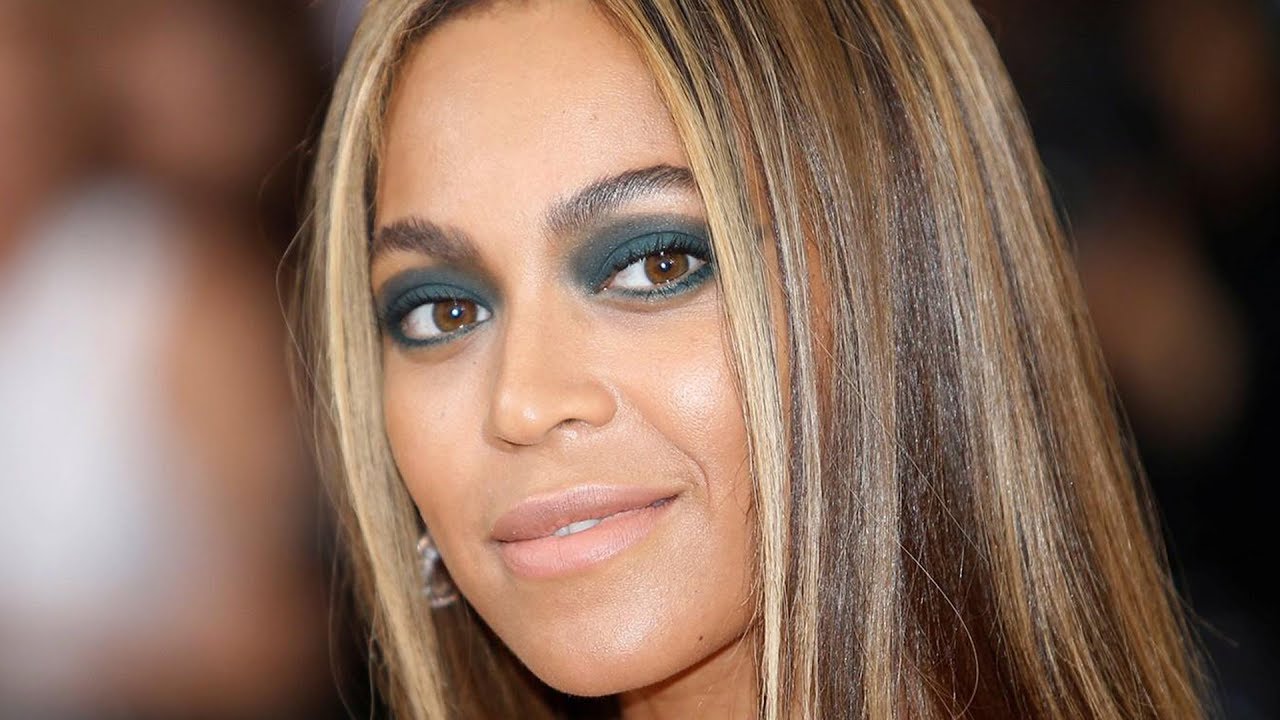

Beyoncé hasn’t sat down for a traditional interview in years — and by design, not accident.
One of the biggest names in music simply stopped talking to the press. No morning show couches, no magazine Q&As, no late-night banter about her personal life. Instead, Beyoncé built a system where her music, her visuals, and eventually her own words on the page do the talking, culminating in a Vogue cover that rewrote the rules of celebrity access entirely.
- The shift crystallized between 2013 and 2014, following the self-directed HBO documentary Beyoncé: Life Is but a Dream and the surprise visual release of her self-titled album.
- Her 2016 visual album Lemonade let her communicate directly with fans without a journalist as the middleman.
- In August 2018, Vogue’s September issue broke a 126-year streak by putting a Black photographer, 23-year-old Tyler Mitchell, behind the camera for the first time — a hire Beyoncé herself pushed for.
Guarding the “Flawless” Brand
Beyoncé’s image has always been engineered down to the last detail, and a live, unscripted interview is the one format she can’t fully control. A misread question, an awkward pause on live television, or a soundbite pulled out of context can undo years of careful image management in seconds. Cutting out the sit-down interview means cutting out the risk of misinterpretation or a political misstep entirely.
That instinct traces back to her own words in Life Is but a Dream, where she talked about wanting the public to engage with her work rather than rumors about her personal life. Rather than answer for tabloid speculation — including recurring pregnancy rumors — she chose to remove the microphone from the equation altogether.
Skipping the Middleman
Traditional press junkets exist to get an artist’s name and face in front of an audience that the artist can’t otherwise reach. Beyoncé doesn’t have that problem. With one of the largest social media followings and streaming audiences in music, she realized she no longer needed a journalist standing between her and her fans.
Her 2013 self-titled visual album and 2016’s Lemonade proved the point: both were released with zero promotional interview cycle, and both dominated the cultural conversation anyway. Letting the work speak — rather than explaining the work in a Q&A — became the entire strategy.
She didn’t need a journalist’s questions to control the story. She just needed a camera, a release date, and silence everywhere else.
Cultivating the Mystery
In an era of constant celebrity overexposure — where every star seems to livestream breakfast — Beyoncé went the opposite direction. Selective silence became its own kind of spectacle. The less she explained herself, the more her rare public statements carried weight, and the more her image took on a mythic, almost inaccessible quality that a nonstop interview circuit could never produce. It’s a strategy other stars have leaned into as well, similar to how some celebrities have handled hostile press by simply shutting an interviewer down entirely rather than engaging on someone else’s terms.
The September 2018 Vogue Takeover
The strategy reached its peak with Vogue’s September 2018 issue. Instead of sitting down with a staff writer for a traditional profile, Beyoncé negotiated full editorial control over her own cover story — reportedly a first in the magazine’s history for a subject. She chose 23-year-old Tyler Mitchell to shoot it, making him the first Black photographer to shoot an American Vogue cover in the publication’s 126-year run.
There was no Q&A at all. In its place, Beyoncé wrote a first-person essay covering her emergency C-section delivering twins Rumi and Sir, her journey toward body acceptance afterward, and generational trauma within her family. It was the ultimate expression of the approach the rest of her career had been building toward: total authorship, zero intermediary.
Beyoncé got her cover, her photographer, and her own words on the page — no reporter’s questions required. That’s the whole playbook in one issue, and it’s the same one she’s run ever since.

10 Things Girls WISH Guys Knew
Mary Kate Olsen And Ashley Olsen’s Statement On Bob Saget Is Deeply Emotional
Why Liv Tyler Has Vanished From Hollywood
Here’s Every Messy Detail Of Kelly Clarkson’s Divorce
Why YouTube’s 2018 Rewind Video Bombed So Hard