

10 FALSE Stereotypes The Barbie Doll Teaches You
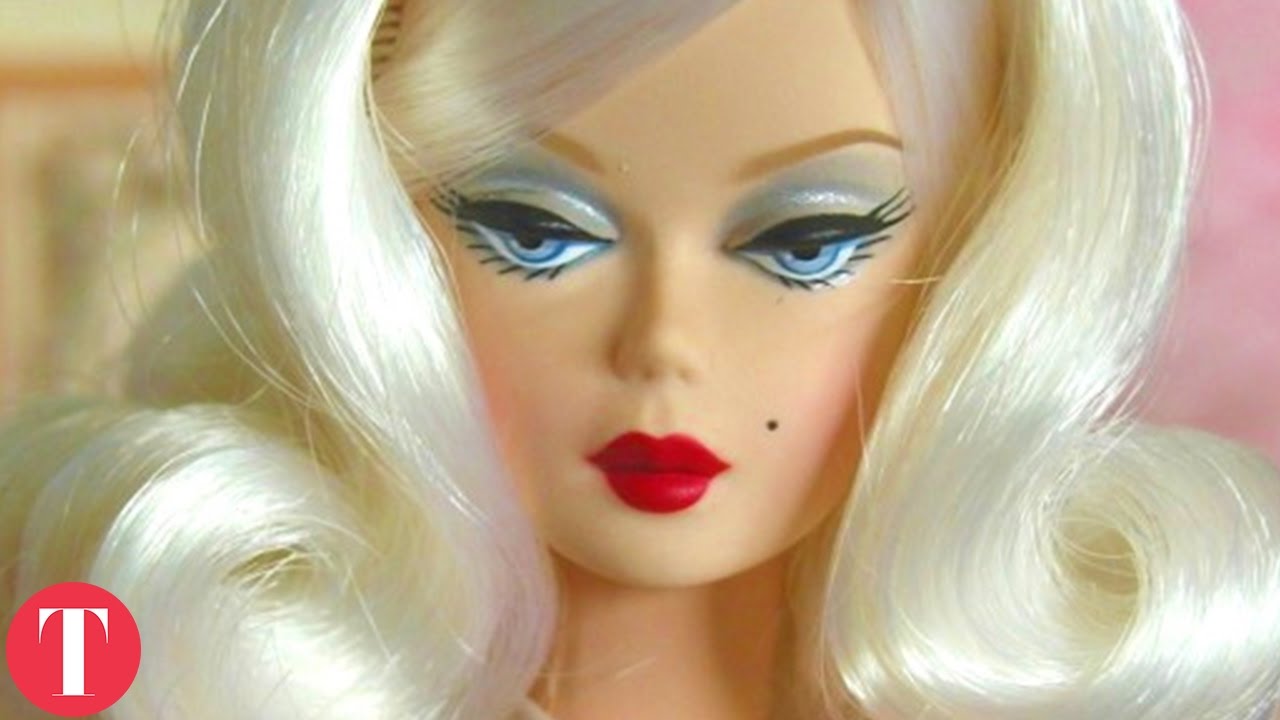

Every generation of little girls got the same 11.5-inch lesson plan, and TheThings just graded the homework.
TheThings Celebrity’s rundown, “10 Lessons We Learned From The Barbie Doll,” goes back to 1959 — the year Ruth Handler put the first Barbie on shelves at Mattel — and tallies up what six decades of play actually taught the girls holding the doll. Mattel likes to point out Barbie has held more than 200 careers, from astronaut to surgeon. The video argues that resume sheet was never the real curriculum.
- The 1965 Slumber Party Barbie shipped with a bathroom scale permanently set to 110 pounds and a diet book with one instruction inside: “Don’t eat!”
- The 1992 Teen Talk Barbie was programmed to say “Math class is tough” among its recorded phrases, drawing backlash for suggesting girls weren’t built for STEM.
- Mattel didn’t introduce curvy, petite and tall body types along with a wider range of skin tones until the 2016 Fashionistas line — 57 years after the doll’s debut.
The Measurements That Weren’t Built for a Human Body
The first lesson the video lays out is the oldest one: Barbie’s proportions were never achievable, and generations of girls absorbed the idea that hyper-slender was the default setting for female bodies. The 1965 Slumber Party Barbie made that message explicit rather than implied, packaging a doll marketed to eight-year-olds with a scale frozen at 110 pounds and a diet book that told her, in print, not to eat. That same pressure has trailed the modeling industry for decades — the kind of scrutiny contestants on shows like America’s Next Top Model have talked about long after the cameras stopped rolling.
“Don’t eat!” — the entire text of the diet book Mattel packed in the box with the 1965 Slumber Party Barbie.
Math Class Is Tough — Except It Isn’t
The video’s sharpest example is the 1992 Teen Talk Barbie, which used a small vocabulary bank of recorded phrases and picked “Math class is tough” as one of them. The doll wasn’t singling out algebra; it was reinforcing a decades-old assumption that girls lacked the aptitude for math and science in the first place. The backlash was loud enough that Mattel eventually pulled the phrase, but the video’s point is that the damage from a toy marketed to pre-schoolers doesn’t un-teach itself just because the line got removed from later production runs.
A Dreamhouse Full of Consumerist Lessons
Beyond body image and brains, the video turns to money. Barbie’s Dreamhouses, convertibles and closets full of accessories taught a parallel lesson — that status and happiness are tied to how much stuff you can accumulate. It’s a subtler critique than the diet book or the math line, but the video treats it as just as persistent: an entire play pattern built around acquiring more shoes, more cars, more square footage.
Six Decades Without Diversity
The final lesson is representation, or the lack of it. For most of Barbie’s run, the dolls on shelves skewed toward one body type and one narrow range of skin tones, leaving little room for girls who didn’t look like the standard mold to see themselves reflected in the toy. Mattel’s answer came in 2016 with the Fashionistas reboot, adding curvy, petite and tall body types alongside a broader set of skin tones — a shift that arrived the same year modeling itself was having very public conversations about who gets cast, conversations that eventually touched even next-generation names like Shiloh Jolie-Pitt weighing whether to step into that industry at all.
Whether the 2016 lineup actually rewrites what a five-year-old absorbs is the question the video leaves open — the scale and the diet book are 52 years gone, but “math class is tough” only came off the factory floor in the ’90s, and that’s not ancient history to anyone who grew up playing with the doll.







10 EPIC Geeky Weddings That Will Blow Your Mind
Movie Villains Who Are Gorgeous In Real Life
How Did Andrew Cuomo Really Want To Get Over Sandra Lee?
Weird Things Everyone Just Ignores About These HGTV Couples
The Cast Of Toddlers And Tiaras ALL GROWN UP