

How I Made My Own Android Phone – in China
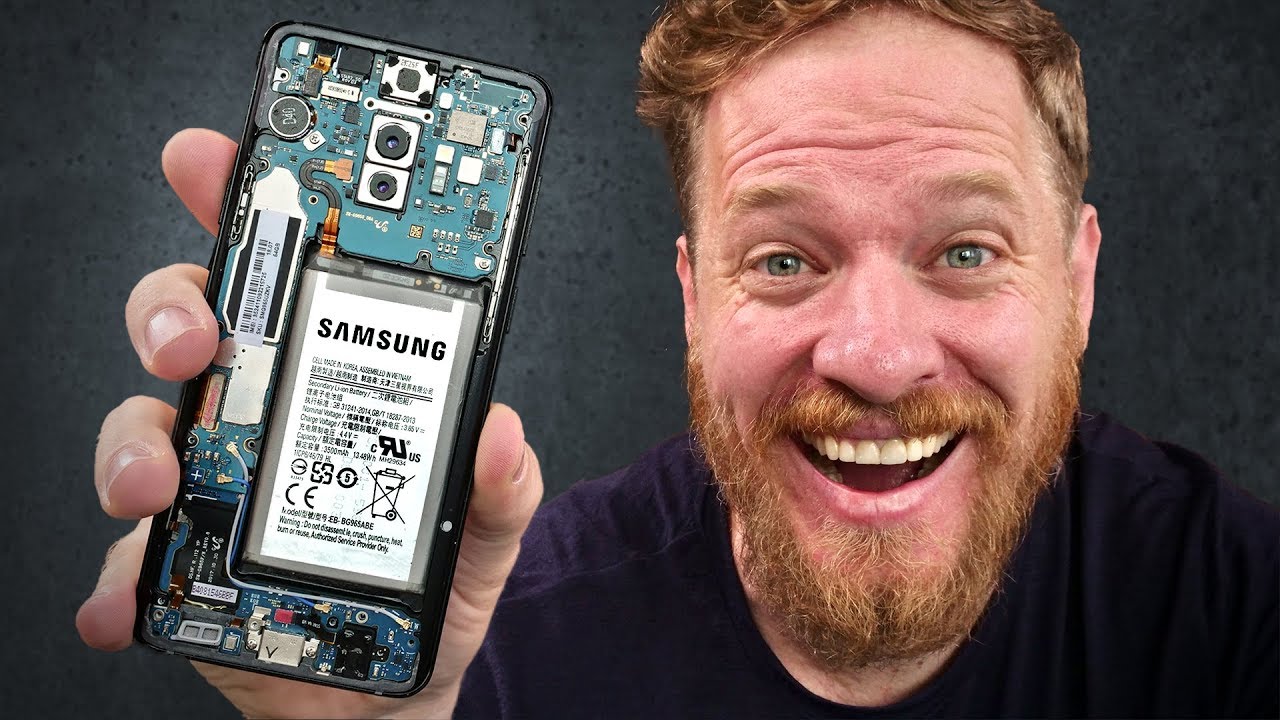

A YouTuber just rebuilt a Samsung flagship from loose parts bought off street stalls in Shenzhen.
On July 27, 2019, Scotty Allen — the engineer behind the YouTube channel Strange Parts — published “How I Made My Own Android Phone,” a video documenting his attempt to construct a fully working Samsung Galaxy S9+ using nothing but components purchased piece by piece in the electronics markets of Huaqiangbei, Shenzhen. It’s the kind of stunt that sounds impossible until you watch him do it: no factory, no assembly line, just a guy, a toolkit, and thousands of vendor stalls selling every part a modern smartphone needs.
- Scotty Allen sourced every core component — display assembly, logic board, cameras, internal cables, battery, rear housing, and headphone jack module — individually from vendors in Huaqiangbei rather than buying a pre-made kit.
- The project was sponsored by iFixit, which supplied its teardown repair guides and a Pro Tech toolkit to guide the hand assembly.
- The finished phone powered on and ran native Android, proving a flagship-tier device can be rebuilt from salvaged and aftermarket parts pulled straight from Shenzhen’s supply chain.
Hunting Down a Flagship, Stall by Stall
Huaqiangbei isn’t a single shop — it’s a sprawling district of markets where vendors specialize in exactly one category of phone parts, and Allen had to work his way through it component by component. Finding a Galaxy S9+ display assembly is one negotiation; finding a matching logic board, cameras, battery, and the right internal cabling to make them all talk to each other is a completely separate hunt. Even the small stuff, like the rear housing and the headphone jack module, meant tracking down a vendor who happened to stock that exact part for that exact model.
That’s the part of the video that makes it more than a novelty stunt — it’s a working demonstration of how deep and specialized China’s grey-market phone parts economy actually is. Every piece Allen needed already existed somewhere in that district, sold loose, no retail packaging required.
The iFixit Assist
iFixit’s sponsorship wasn’t just a logo drop. Allen leaned on the company’s teardown repair guides to understand how the Galaxy S9+ actually goes back together — the ribbon cable routing, the adhesive points, the order of operations that separates a phone that works from a pile of expensive parts. The Pro Tech toolkit gave him the specialty drivers and prying tools the job demanded, the same kind of gear iFixit sells for at-home repairs, just applied here to a full build from zero rather than a fix.
It powers on. It runs stock Android. And every last part of it came from a stall in Huaqiangbei.
A Sequel to the iPhone Build
This wasn’t Allen’s first rodeo with market parts. In 2017, the same channel went viral for a video in which he built a working iPhone 6S entirely from Huaqiangbei components, a project that turned Strange Parts into one of the go-to channels for anyone curious about how China’s electronics markets actually function. The Android video is the natural follow-up: same premise, harder puzzle, because Android hardware is fragmented across manufacturers and models in a way Apple’s closed ecosystem isn’t.
Viewers who enjoy watching creators chase down an absurd, hands-on build against long odds tend to gravitate toward similar stunt-driven projects, whether that’s an elaborately engineered escape room or a multi-week challenge to turn pocket change into real property. Allen’s build fits that same lane — a concrete, verifiable outcome at the end of a process most people assume can’t be done outside a factory.
The Galaxy S9+ he assembled by hand didn’t come off a Samsung line — it came together screen, logic board, cameras, battery, housing, and headphone jack at a time, from vendors who had no idea what the finished product would end up proving.









These Are All Of Diddy’s Kids Today
The Most Dramatic Transformations Ever Seen On My 600-lb Life
The Biggest Lies They Showed On MTV Cribs
THE BATMAN – The Bat and The Cat Trailer
A Timeline Of Meghan Markle’s Parents’ Dysfunctional Relationship