

Celebrity Scandals Everyone Pretends Never Happened

Nicki Swift dug up the celebrity scandals Hollywood would rather you forgot, and the list runs a lot deeper than a bad tabloid week.
The video, “Celebrity Scandals Everyone Pretends Never Happened,” walks through a string of arrests, courtroom dates, and headline-grabbing controversies involving major music and entertainment names — the kind of stories that dominated news cycles for a week or two before vanishing entirely once the next single dropped. The throughline is simple: bad press doesn’t kill a career the way it used to, especially if the hits keep coming.
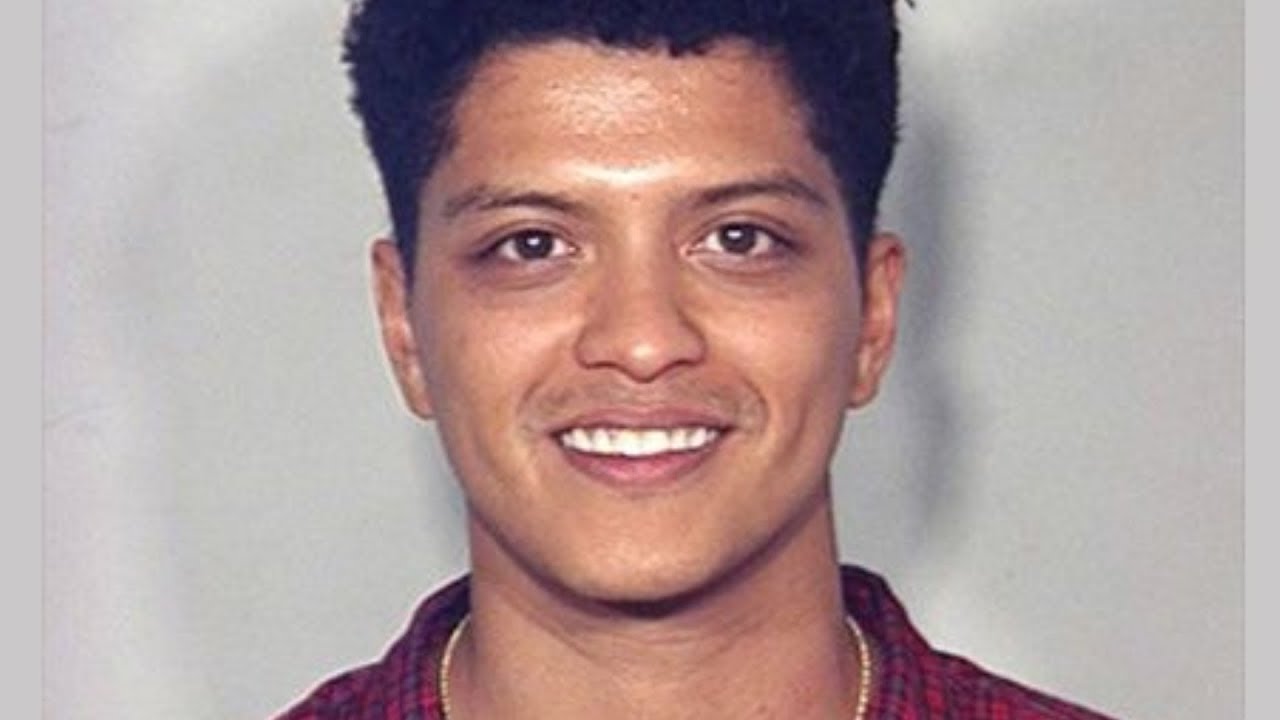
- Bruno Mars was arrested at the Hard Rock Hotel and Casino in Las Vegas in September 2010 after a bathroom attendant caught him with 2.6 grams of cocaine, right as he was breaking out as a solo star.
- In February 2011, Mars pleaded guilty to felony cocaine possession and received a suspended sentence — 200 hours of community service, a $2,000 fine, and mandatory drug counseling — avoiding jail entirely.
- The segment also flags the recurring legal fallout that followed Chris Brown after his 2009 assault conviction, using it as a benchmark for how often the industry lets legal trouble slide off major hip-hop and R&B acts.
The Vegas Arrest Nobody Talks About Anymore
Bruno Mars was still a relatively new name to mainstream audiences in September 2010 — “Nothin’ on You” and “Billionaire” had just put him on the map as a songwriter-turned-frontman — when he got pulled aside in a bathroom at the Hard Rock Hotel and Casino in Las Vegas. A bathroom attendant found him with 2.6 grams of cocaine, and Mars was arrested on the spot. It’s the kind of arrest that, for a lot of rising artists, becomes the story that follows them for years.
For Mars, it barely followed him at all. The arrest made news in the moment, then largely disappeared from the conversation as “Grenade” and “Just the Way You Are” turned him into one of the biggest pop acts on the planet. That’s the exact pattern the video is built around: scandal breaks, chart success buries it.
The Plea Deal That Kept Him Out of Jail
In February 2011, Mars pleaded guilty to felony cocaine possession rather than fight the charge. The court handed him a suspended sentence on the condition that he complete 200 hours of community service, pay a $2,000 fine, and attend drug counseling. No jail time, no probation violation headlines, no lasting mark on his public image.
2.6 grams in a Vegas bathroom, a guilty plea, 200 hours of community service — and by January 2018, “24K Magic” was walking away with Album, Record, and Song of the Year at the Grammys.
That contrast is the whole point of the segment’s “From 2.6 grams to 24K Magic” chapter title. The same artist who avoided prosecution over a felony drug charge became, less than eight years later, one of the most decorated performers in Grammy history for a single album cycle.
Hip-Hop and R&B’s Revolving Door With the Law
The chapter titled “Throwing up deuces to the law” turns to the broader pattern across hip-hop and R&B, pointing to Chris Brown’s recurring legal fallout in the years following his 2009 assault conviction as a case study in how often controversy fails to dent an artist’s commercial standing. Brown’s arrests and court dates became a semi-regular news item for years, yet his releases kept charting and his tours kept selling. It’s a dynamic anyone who has followed the biggest celebrity prison sentences that were cut short will recognize — legal consequences and career consequences don’t always move together.
Persistence of Public Outrage Cycles
Nicki Swift’s larger argument is about the mechanics of celebrity forgiveness: fast news cycles move audiences on to the next controversy within days, publicists engineer image rehab in the background, and a big enough hit single or box-office run gives fans a reason to look past what happened. Chapters like “Girl gone wild,” “Age inappropriate,” and “White Christmas” each cover different flavors of the same phenomenon — behavior that would end an ordinary career instead getting absorbed into the noise. It’s the same fickleness that shows up whenever people revisit controversial celeb moments no one was supposed to forget, only for the news cycle to prove otherwise a few years later.
Mars, for his part, never had to stage a comeback narrative because the public never really treated the Hard Rock arrest as a career-defining moment in the first place. By the time “24K Magic” was sweeping the top categories at the 60th Grammy Awards in January 2018, the 2010 bathroom bust wasn’t even a footnote in the coverage — just proof of how short the memory of a scandal can be when the music doesn’t stop.





Amy Schneider Just Made Jeopardy! History Yet Again
Jimmy Kimmel Chats with The Bachelorette Hannah B.
Rappers Who Have Wives That’ll Definitely Turn Some Heads
Moments You Didn’t See At Nick And Priyanka’s Epic Wedding
Arrowverse Cast Plays Who Said It? | Guess That Character | Melissa Benoist, Grant Gustin