

The SHADY Side Of Taylor Swift
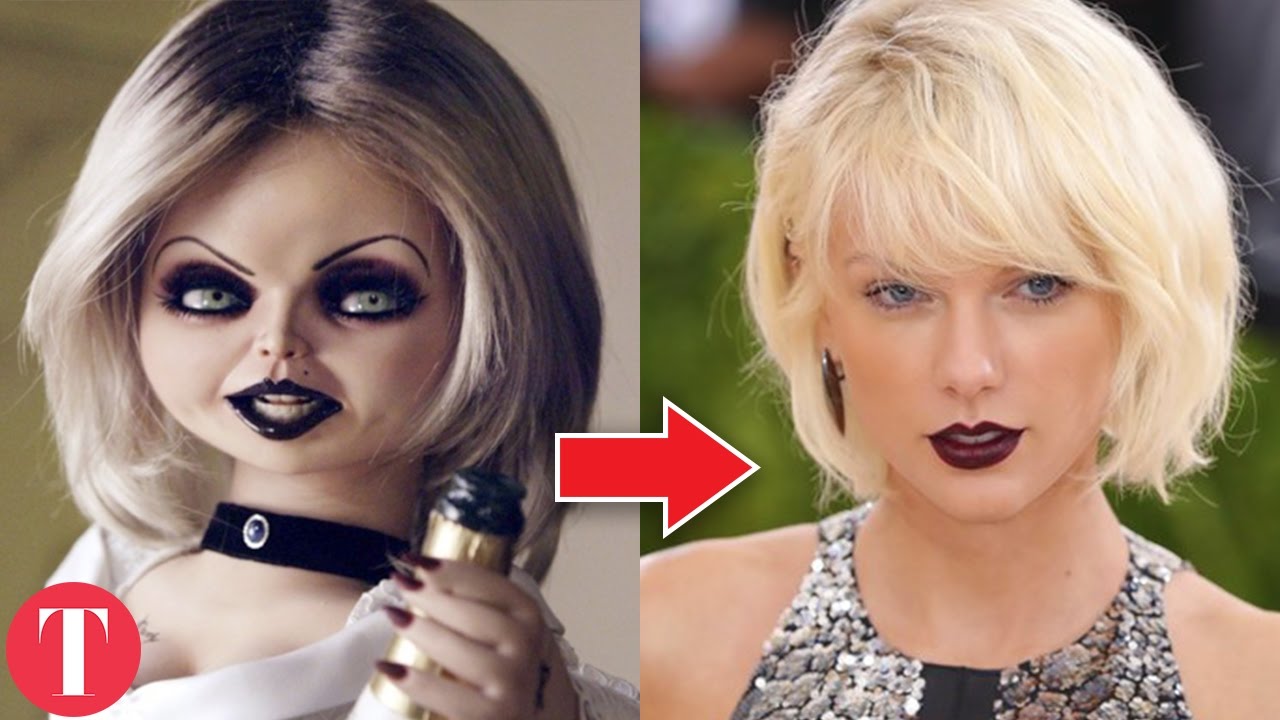

By the fall of 2016, the “America’s sweetheart” label had stopped fitting Taylor Swift the way it used to.
A years-long run of feuds, breakups and squad drama came to a head in July 2016, when a leaked phone call turned Swift’s carefully managed image into the internet’s favorite target. TheThings Celebrity’s video “What Is Taylor Swift Really Like?” walks through the receipts — the Kanye West phone call, the Calvin Harris fallout, the Katy Perry beef — and asks whether the sweet-girl persona was ever the full picture. The backlash that followed wasn’t just tabloid noise; it reshaped how a huge chunk of the public talks about her.
- In July 2016, Kim Kardashian posted recorded phone audio of Swift and Kanye West discussing his song “Famous” and its line about making her famous, contradicting Swift’s earlier claim she never approved the lyric.
- Swift responded on Instagram that she was “never asked to approve” the lyric and wrote, “I would very much like to be excluded from this narrative,” a statement that triggered a wave of snake-emoji backlash across her social accounts.
- Weeks earlier, her breakup with DJ Calvin Harris exposed that she’d secretly co-written his hit “This Is What You Came For” under the pseudonym Nils Sjöberg, prompting Harris to publicly tell her to stop trying to tear him down.
The Phone Call That Changed the Narrative
Kanye West’s “Famous” dropped with the line, “I feel like me and Taylor might still have sex / Why? I made that bitch famous,” and Swift initially distanced herself from it, using her Album of the Year speech at the 2016 Grammys to jab at people who take credit for other people’s success. That framing held up for months — until Kim Kardashian put the receipts on Snapchat.
The audio showed Swift and West on the phone sounding perfectly friendly, with Swift calling the “might still have sex” line a compliment and thanking him for a heads-up before release. It didn’t match the wounded-party version of events she’d been telling publicly, and the gap between the two stories became the whole story.
“I would very much like to be excluded from this narrative.”
Swift’s Instagram statement — insisting she never heard the “that bitch” line and never signed off on it — was meant to shut the door on the controversy. Instead it became the meme that followed her for the rest of 2016, with critics flooding her comments and feed with snake emojis as shorthand for calculated victimhood.
A Pattern, Not an Isolated Incident
The West audio landed the way it did because it fit a pattern people had already been tracking. Swift’s 2014 feud with Katy Perry over backup dancers had already spilled into a diss track, “Bad Blood,” and her tightly curated celebrity “squad” — the matching outfits, the stadium-sized friend group cameos — had drawn its own round of eye-rolling for years, the kind of dynamic covered in pieces on celebrities whose friendships curdled into public feuds.
Perry herself has shown up on lists of stars accused of burning bridges, and the parallel wasn’t lost on fans comparing notes — the same instinct behind rundowns like people Katy Perry treated like trash. For Swift, the accusation wasn’t cruelty so much as calculation: that every squad photo and every public feud was stage-managed for maximum sympathy.
The Calvin Harris Fallout
Swift’s split from Calvin Harris in June 2016 added fuel before West’s song even became an issue. Days after the breakup went public, it emerged that Swift had co-written Harris’s chart-topping single “This Is What You Came For” under the pseudonym Nils Sjöberg — a credit Harris had downplayed for months.
Once the truth surfaced, Harris pushed back publicly, asking Swift to stop trying to diminish his work and move on rather than reshape the breakup narrative in her favor. Combined with the West leak weeks later, it built a case — fair or not — that Swift’s private conduct and her public storytelling didn’t always line up, the kind of gap that tends to follow musicians whose real personalities get picked apart once the spotlight turns unflattering, as with other artists profiled in musicians who are nothing like they seem.
Swift went quiet on social media for most of the rest of the summer, skipping the 2016 VMAs and largely staying out of the press as the snake-emoji campaign ran its course — a silence that, by October, had said almost as much as the phone call itself.

10 People Who Shot To Fame In The WEIRDEST Ways
THE NORTHMAN – Official Trailer – In Theaters April 22
UFC Newark: Colby Covington and Robbie Lawler Octagon Interviews
Meghan Markle And Prince Harry Reportedly Confirm What We Suspected All Along
The Fan Reviews Are In For LeVar Burton’s First Jeopardy! Episode