

The Bachelor Is Fake And This Is Why
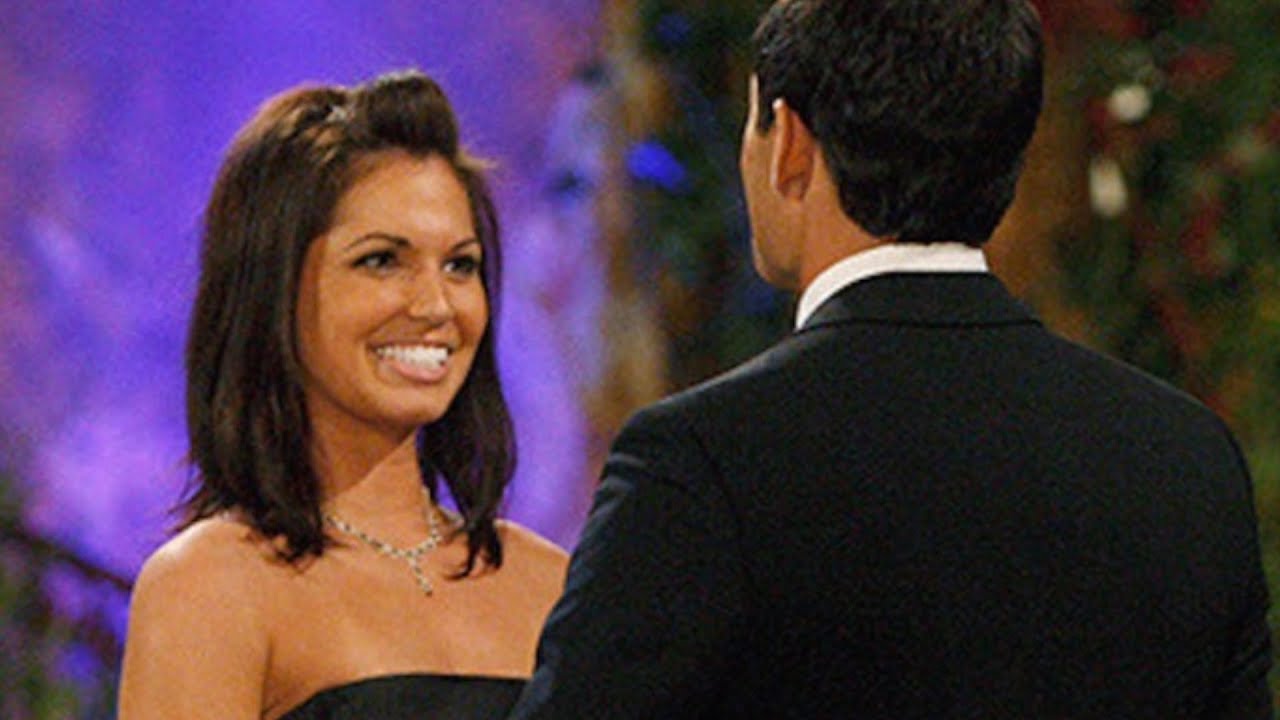

The rose ceremonies, the tears, the “final rose” — almost none of it happens the way ABC wants you to believe.
Since 2002, The Bachelor has sold itself as an unscripted quest for true love, but former contestants, producers and crew have spent nearly two decades describing a set that runs on isolation, deprivation and calculated manipulation. The video “The Bachelor Is Fake And This Is Why” pulls together those accounts — from Melissa Rycroft to Chris Bukowski to Courtney Robertson — to lay out exactly how the “reality” gets built. What emerges is less a love story than a controlled psychological experiment with a rose at the end of it.
- Former contestant Melissa Rycroft revealed producers deliberately steer contestants’ on-camera conversations toward the lead rather than letting them talk naturally among themselves.
- Contestants are packed into cramped mansion quarters with bunk beds, cut off from phones, fed before dates so they only appear to eat on camera, given alcohol starting at noon, and run through rose ceremonies that can stretch until 8 a.m.
- Producers reportedly mine psychological questionnaires collected during casting to place contestants in dates that trigger their specific fears, while editors use “frankenbiting” — splicing unrelated audio into new, misleading quotes.
The Isolation Playbook
Before a single rose is handed out, the show’s entire structure depends on cutting contestants off from the outside world. Phones, television, internet — all gone the moment they walk into the mansion. That sequestration isn’t incidental to the format; it’s the mechanism that makes contestants emotionally dependent on the process itself, since the lead and the producers become the only source of outside contact and validation for weeks at a time.
Rycroft’s account of producers funneling group conversations back toward the bachelor or bachelorette shows how tightly the “spontaneous” chemistry is actually managed. Contestants aren’t simply competing for attention — they’re being directed, scene by scene, toward the exact dynamic the show needs for that week’s episode.
Sleep Deprivation, Empty Stomachs, Endless Wine
The mansion conditions described by former contestants read more like an endurance test than a dating show. Bunk beds and zero privacy strip away any downtime, contestants are fed before dates so the cameras only capture talking instead of eating, and alcohol reportedly flows from noon onward. Rose ceremonies that run until 8 a.m. leave contestants exhausted and raw exactly when the cameras are rolling for the most emotionally charged moments of the episode.
That combination — no sleep, no food on camera, plenty of wine, hours of standing in heels waiting for a rose — is a deliberate formula for producing tears, blowups and confessions that wouldn’t happen under normal circumstances. It’s the same manufactured-vulnerability approach that’s shown up in other unscripted formats, the kind detailed in What The Cameras Never Showed You On My 600-Lb. Life, where what airs is only a fraction of what actually happens on set.
Psychological Profiles Turned Into Plot Devices
According to the brief’s account, producers allegedly use the psychological evaluation questionnaires gathered during casting — material meant to screen contestants for the show — as a tool to engineer conflict instead. Knowing a contestant’s specific fears or insecurities allows producers to build dates and pairings designed to trigger exactly those reactions on camera.
Mike Fleiss himself told the Banff World Media Festival that the vast majority of reality TV is loosely scripted and planted — despite what audiences assume they’re watching.
That admission from the franchise’s own creator undercuts the show’s central pitch. Former contestants Chris Bukowski and Courtney Robertson have both said dramatic or villainous storylines are staged or nudged along by producers rather than emerging naturally — Robertson’s skinny-dipping date being one example cited as producer-encouraged rather than organic.
Frankenbiting and the UnREAL Connection
In the edit bay, producers routinely deploy what insiders call “frankenbiting” — splicing together unrelated sound bites and spliced audio to construct quotes contestants never actually said, all in service of a cleaner or more explosive storyline. Former Bachelor producer Sarah Gertrude Shapiro was so affected by these tactics that she built them into the DNA of Lifetime’s scripted satire “UnREAL,” a show explicitly designed to expose the toxic behind-the-scenes manipulation she witnessed firsthand.
The parallel between a satirical drama and the actual production process says plenty about how thin the line is between what The Bachelor claims to be and what it manufactures episode to episode. It’s the same tension explored in pieces like Reality Stars Who Treat Their Co-Stars Like Trash, where the gap between the edited persona and the person off-camera keeps producing headlines long after the finale airs.
None of this has slowed the show down — a new Bachelor or Bachelorette cycles through the mansion every season, the ratings hold, and the rose ceremonies keep running past midnight. The mansion lights stay on, the wine keeps pouring at noon, and somewhere in the edit bay, another frankenbite is waiting to become next Monday’s biggest headline.

Royal Family Members That Are Nothing Like They Seem
10 Signs You’re In LOVE
Celebs Who Surprised Us With Their Red Carpet Looks
10 Things Your Sleeping Position Reveals About You
10 Signs A Girl Likes You