

2 Chefs Review French Classic Cookbook from 1914!!
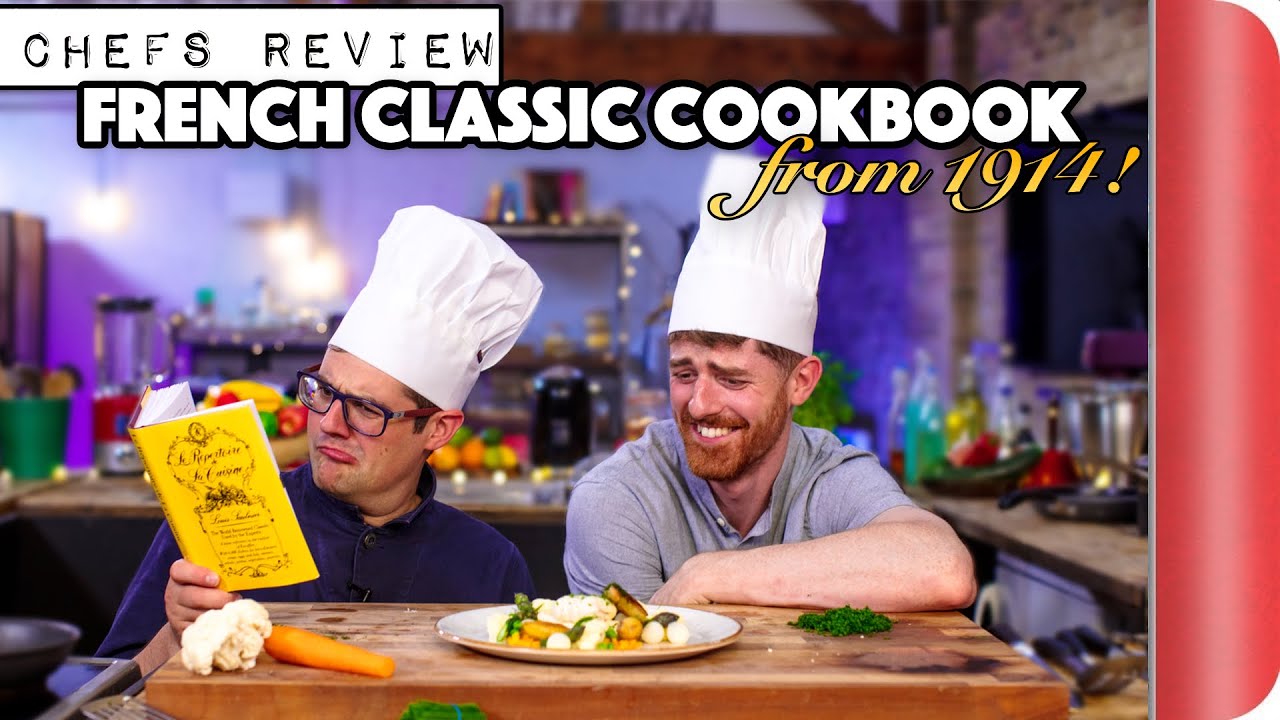

A century-old French cookbook just walked into a modern test kitchen, and two professional chefs put it to the test.
Sorted Food’s Ben Ebbrell and James Currie built their channel on picking apart food culture with a chef’s eye, and their latest target is about as heavyweight as it gets: Auguste Escoffier’s Le Guide Culinaire. The video, titled “2 Chefs Review French Classic Cookbook from 1914!!”, pits the two trained cooks against a text that essentially wrote the rulebook for classical French kitchens. The colloquial “1914” tag in the title is a bit of shorthand — Escoffier’s original edition hit shelves in 1903, with later revisions following in the decades after.
- Sorted Food chefs Ben Ebbrell and James Currie review Auguste Escoffier’s Le Guide Culinaire, published in English as The Complete Guide to the Art of Modern Cookery, also known as The Escoffier Cookbook.
- The book was originally published in 1903, not 1914 as the video title suggests, with later revised editions released in subsequent decades.
- Ebbrell and Currie use the text to test whether classical French haute cuisine techniques still hold up against contemporary professional kitchen standards.
Escoffier Remains Relevant Today
Auguste Escoffier didn’t just write recipes — he organized the French kitchen brigade system that professional restaurants still run on today. Le Guide Culinaire is treated by chefs the way law students treat a constitution: dense, occasionally impenetrable, but the source document everything else in French technique traces back to. That’s the weight Ebbrell and Currie are picking up when they crack the cover on camera.
Escoffier’s Le Guide Culinaire, first published in 1903, is the reference text professional kitchens still measure classical French technique against, more than a hundred years on.
Two Chefs, One Very Old Recipe Book
Sorted Food’s format thrives on this kind of head-to-head: put professionally trained cooks in front of something unfamiliar and let their reactions do the storytelling. Ebbrell and Currie work through the book’s approach to stocks, sauces and classical preparations, weighing Escoffier’s exacting, brigade-era instructions against how a modern professional kitchen actually operates day to day. The gap between a Michelin-lineage mother-sauce method written for a 19th-century hotel kitchen and today’s streamlined pass is exactly the kind of tension the channel’s audience tunes in for — the same instinct that fuels other reaction-driven formats across entertainment, from viral interview breakdowns to stunt-style challenge videos.
Testing the Bible of French Technique
What separates this review from a straightforward cookbook unboxing is that both hosts are working chefs, not just enthusiasts. They’re not asking whether Escoffier’s language is quaint — they’re asking whether the actual technique still produces the results a professional kitchen would sign off on. That’s a higher bar than most cookbook content clears, and it’s the reason the video sits comfortably alongside Sorted Food’s other technique-driven, cooking-nerd content that keeps trending in online food circles.
The exercise doubles as a reminder of how little classical French method has actually changed at its core, even as plating, pacing and ingredient sourcing have moved on dramatically since 1903. Sauces like hollandaise and the other foundational preparations Escoffier codified are still taught in culinary schools essentially unchanged, even if modern kitchens streamline the steps for speed.
By the end of the review, Ebbrell and Currie aren’t just grading a museum piece — they’re grading whether Escoffier’s century-plus-old instructions would survive a modern pass check, and that’s the real hook of the video for anyone who’s spent time on either side of a professional stove.









The Real Reason Phaedra Parks Got Divorced
The REAL Story Behind Hilarious Internet Memes (2/3)
10 Celebs Who Went From TRASH To CLASS
The Truth About Former Disney Star Debby Ryan
Cochise – Tell Em ft. $NOT (Directed by Cole Bennett)