

Once Upon a Time … in Hollywood – Movie Review
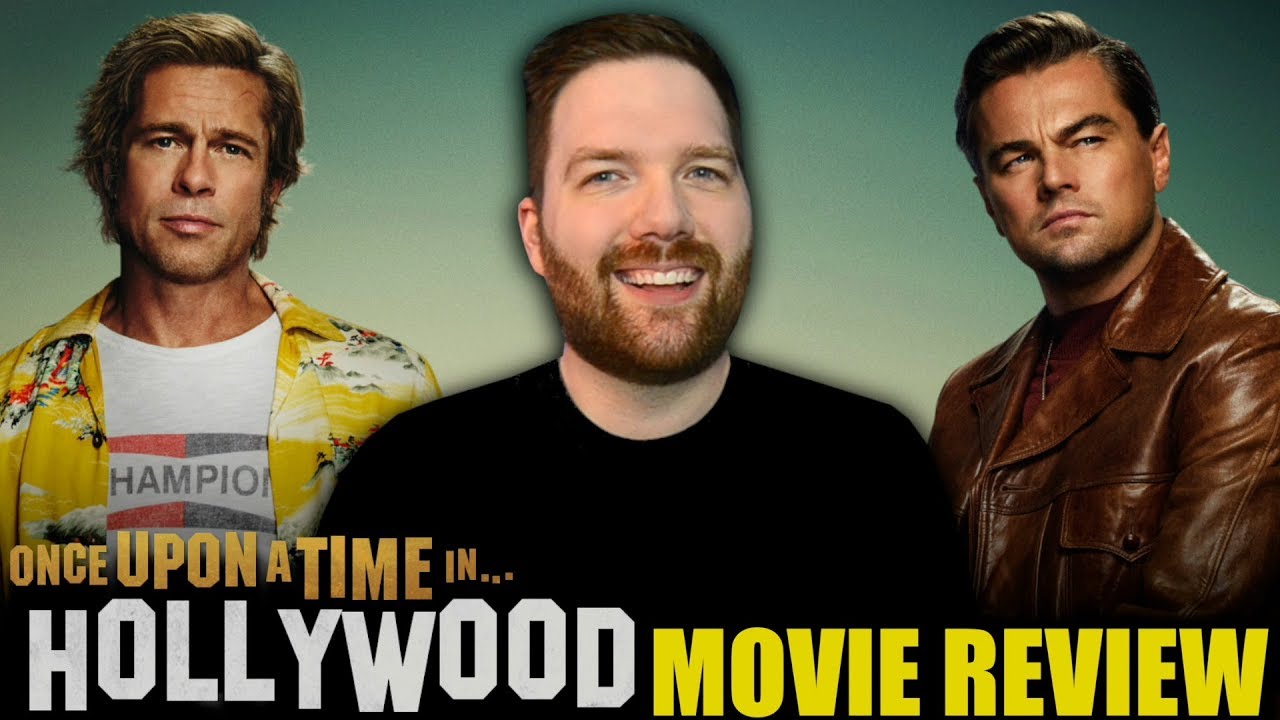

Quentin Tarantino turns 1969 Los Angeles into a sun-bleached fever dream, and Chris Stuckmann says it might be his most personal film yet.
Ahead of Sony Pictures’ nationwide release on July 26, 2019, YouTube critic Chris Stuckmann posted his review of “Once Upon a Time … in Hollywood,” Tarantino’s ninth feature and his first since the Cannes premiere in May drew a standing ovation and a request from the director himself that critics keep the plot under wraps. Stuckmann’s take leans into that mandate, walking through the film’s mood, performances, and structure while deliberately steering clear of the ending everyone’s been told not to discuss.
- The film stars Leonardo DiCaprio as fading Western TV star Rick Dalton and Brad Pitt as his longtime stunt double Cliff Booth, set against the backdrop of 1969 Los Angeles.
- Margot Robbie plays real-life actress Sharon Tate, with a supporting cast that includes Al Pacino, Dakota Fanning, Margaret Qualley, Timothy Olyphant, Kurt Russell, Emile Hirsch, and Mike Moh as Bruce Lee.
- Following the Cannes premiere in May 2019, Tarantino and the studio specifically asked critics not to reveal details about the climactic sequence tied to the Tate-LaBianca timeline.
DiCaprio and Pitt Carry the Picture
Stuckmann’s review keeps circling back to the chemistry between DiCaprio’s Rick Dalton, a onetime Western leading man watching his career slide toward guest-star roles and Italian genre pictures, and Pitt’s Cliff Booth, the stunt double who’s stuck by him through it all. The dynamic gives the film its emotional spine even as Tarantino lets scenes breathe far longer than a typical studio release would allow. That patience, Stuckmann argues, is the point: this is a hangout movie first, a period piece second, and a thriller only in its final stretch.
Margot Robbie’s Sharon Tate gets comparatively little dialogue, but Stuckmann singles out her scenes — dancing at the Playboy Mansion, watching herself on screen at a Westwood theater — as some of the film’s most tender moments precisely because the audience knows the historical weight hanging over her character. Fans of vintage Hollywood ensembles and industry-insider storytelling will find plenty to compare here to the kind of celebrity-driven period drama that rarely gets this much craft behind it.
Rebuilding 1969 Los Angeles
Tarantino’s production recreates Hollywood Boulevard, the Playboy Mansion, and the Spahn Movie Ranch with a level of detail Stuckmann calls immersive rather than nostalgic for nostalgia’s sake — vintage marquees, period radio spots, and a soundtrack pulled straight from 1969 airwaves. Dalton’s own in-universe filmography, including a fictional Western series called “Bounty Law,” gets woven into the world so thoroughly that Stuckmann notes it plays like a real artifact of the era’s TV landscape rather than a prop.
It’s a love letter to a Hollywood that doesn’t exist anymore, told by a filmmaker who clearly wishes it still did.
The Manson Family Looms Without Taking Over
Charles Manson and his followers exist largely at the margins for most of the runtime, glimpsed at the Spahn Ranch or lurking near Cielo Drive, and Stuckmann credits Tarantino for letting that dread simmer rather than dominate. The tension comes from what the audience already knows happened in real life on the night of August 8-9, 1969, and Stuckmann is careful in his review to discuss that atmosphere without tipping into specifics about how Tarantino ultimately handles it on screen.
Pacing and Runtime Concerns
Not every stretch works, according to Stuckmann, who flags a deliberately slow midsection and a nearly three-hour runtime that some viewers may find indulgent. Certain subplots, he notes, get less development than the two leads, but he frames that as a trade-off for a film more interested in atmosphere and character than plot mechanics — a structure that rewards patience once the final act arrives.
With the wide release landing July 26, the real test comes once general audiences — not just the Cannes crowd sworn to secrecy — get a look at how Tarantino closes out Rick Dalton and Cliff Booth’s story. Stuckmann’s review makes clear the ending is the whole reason critics were asked to stay quiet in the first place, and by this weekend, that silence runs out.





Coast Guard Dude Surfs a Narco-Sub Packed With Cocaine
The Tragic Real-Life Story Of Joaquin Phoenix
Trump’s Tweet About Aretha Franklin Sparks Backlash
10 Most Amazing DIY Nail Art HACKS
10 Celebs No One Knew Were Trans