

The Craziest Thing I’ve Ever Done in My Life
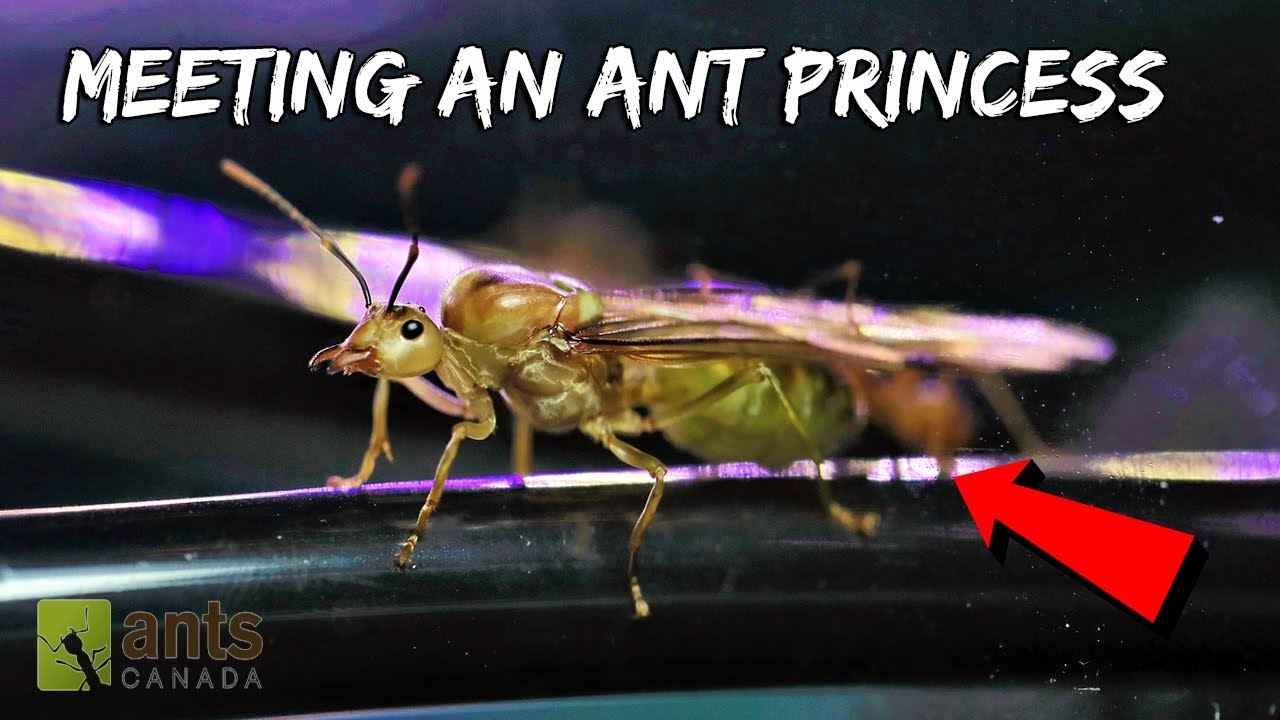

A YouTube ant-keeper stakes his channel’s name on one winged queen.
AntsCanada’s Mikey Bustos titled his July 2019 upload “The Craziest Thing I’ve Ever Done in My Life,” and for once the clickbait framing points at something genuinely unusual: a freshly caught green weaver ant queen alate, species Oecophylla smaragdina, being introduced into a climate-controlled captive setup that has no real track record for this ant. The video follows the queen from the moment she emerges into the outworld to a closing behavior that tells Bustos, and his audience, whether the whole gamble has any shot at working.
- The episode centers on introducing a newly captured, winged Oecophylla smaragdina queen alate into a climate-controlled formicarium setup built for AntsCanada’s channel.
- Weaver ants are obligately arboreal nest-builders that bind living leaves together with silk spun by their own larvae, a trait that makes them famously resistant to standard captive ant-keeping methods.
- Near the end of the video, the queen’s behavior signals whether she was successfully mated and is ready to shed her wings — the specific moment the “craziest thing” title is built around.
A Green Weaver Ant Queen Enters the Frame
The subject of the video is what keepers call an “ant princess” — a winged queen alate, not yet a founding queen, still carrying the wings she used to leave her parent colony and find a mate. Bustos captured her as part of building a new weaver ant colony for his channel, and the footage shows her released into the outworld, the exposed staging area of a formicarium where keepers can observe behavior before an ant settles into its nesting chamber.
Weaver ants get their name from how they build: workers pull leaves together and use larvae as living shuttles, letting the larvae spin silk threads that stitch the leaves into an enclosed nest. That’s a behavior evolved for a forest canopy, not a plastic tank, which is exactly why Bustos frames this attempt as high-risk from the outset.
Weaver Ants Defy Standard Colony Rules
Most ant species kept in hobbyist and educational formicariums — the enclosed, humidity-controlled housing units AntsCanada’s channel is built around — can be coaxed into test tubes or modular nest boxes without much fuss. Weaver ants are the exception. Because Oecophylla smaragdina is obligately arboreal, meaning it does not nest in soil or wood cavities the way most household ant species do, a captive setup has to mimic canopy conditions closely enough that the colony’s silk-weaving behavior still functions, or the queen and her brood have no way to build a stable nest at all.
That mismatch is the reason weaver ants have a reputation among keepers as one of the hardest genera to found successfully. A queen that would thrive stitching leaves forty feet up a rainforest tree can simply fail to establish in a tank that looks nothing like her natural startup environment, which is the exact tension driving the video’s stakes.
The Decisive Behavior at the Video’s Close
The payoff Bustos builds the whole video toward comes in its final minutes, when the queen displays behavior that tells him whether she was successfully mated before capture. For any ant queen alate, that distinction determines everything that follows: a mated queen can shed her wings and begin laying fertilized eggs to found a colony, while an unmated one never will. Watching for that signal — and reacting to it on camera in real time — is what turns the episode from a routine care video into the “craziest thing” framing of the title.
Whether she was successfully mated or shedding her wings is the detail the entire attempt hinges on.
The Stakes of an Unproven Setup
AntsCanada’s stunt-title framing sits alongside a wider genre of YouTube channels built on physical risk and spectacle, from World’s Most Dangerous Escape Room to World’s Largest Challenge, but Bustos’s version of “craziest” plays out in a climate-controlled tank rather than a warehouse or a stunt course. The risk here isn’t physical, it’s biological: a wrong read on the queen’s post-mating behavior, or a setup that can’t replicate the canopy conditions weaver ants depend on, can end a colony attempt before it starts.
That’s the bet Bustos is making on camera — that a species built to weave nests in treetops can be persuaded to found a colony in a formicarium designed for ants that dig or chew wood instead. The video ends with the queen’s behavior giving him his answer, and for a channel that lives on documenting whether captive colonies survive, that single moment is the whole story.





Queen of Mean | CARscendants ???? | Descendants 3
Rumer Willis’ Extreme Transformation
What Prison Life Is Really Like For Bill Cosby
Chelsea vs. Manchester City: Champions League Final Highlights | UCL on CBS Sports