

The Real Story Behind Hilarious Internet Memes (3/3)
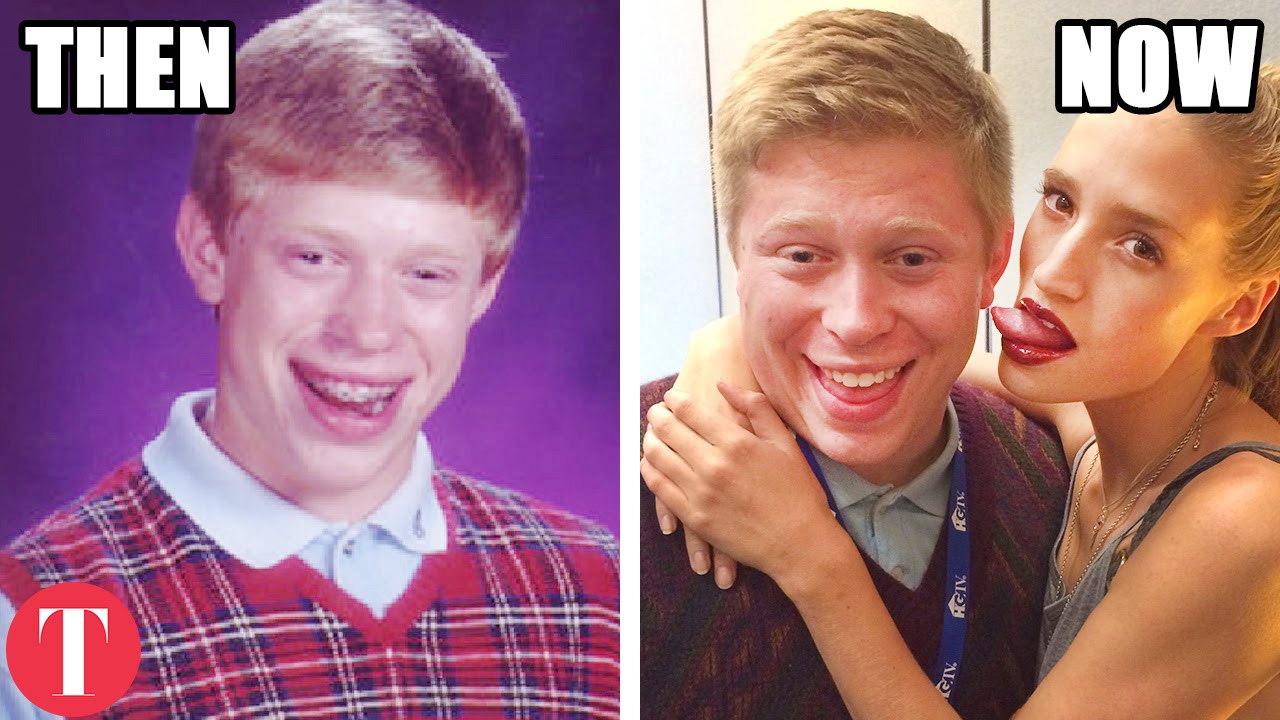

Behind every viral face-photo meme is a real person who never asked to become internet royalty.
The third and final installment of TheThings’ meme-origins series turns from screenshots to the actual people who got swept up in them — the awkward yearbook kid, the toddler with sand in his fist, the ex-girlfriend from a Bieber fan video. These weren’t professional content creators chasing virality. They were ordinary people whose candid photos got ripped from personal albums, Myspace pages and yearbooks and turned into permanent internet shorthand.
- Sammy Griner, photographed at 11 months old eating sand on a beach, became “Success Kid” and later used his viral fame to help raise money for his father’s kidney transplant.
- Kyle Craven turned an awkward high school yearbook photo, uploaded by a friend, into “Bad Luck Brian,” landing him brand deals and licensing income.
- Laina Morris’s 2012 Justin Bieber fan-video submission made her “Overly Attached Girlfriend” and an overnight YouTube celebrity.
The Accidental Icons Behind the Images
Every meme in this final installment starts the same way: a private photo, taken with no thought of an audience, gets uploaded somewhere and picked apart by strangers on Reddit, Tumblr or 4chan. Blake Boston’s 2006 Myspace snapshot — backwards cap, half-smirk — became “Scumbag Steve,” the internet’s go-to visual shorthand for the friend who never pays you back. Boston had no say in the caption text stacked on top of his own face; he just woke up one day to find millions of people using his photo as a punchline for other people’s bad behavior.
Carly Phillips had an even stranger experience. A published romance novelist, her professional author photo was lifted without her knowledge and turned into the “Sheltering Suburban Mom” template — a meme built entirely around a stranger’s assumptions about a woman she’d never met.
From Snapshot to Sensation: Success Kid and Bad Luck Brian
Sammy Griner’s beach photo is arguably the purest of these stories — a baby, fists clenched, grabbing a handful of sand, captured with no agenda beyond a parent snapping a cute picture. The image spread as “Success Kid,” slapped onto captions celebrating any tiny victory, and it eventually did something few memes ever manage: it did real-world good. Griner’s family leaned on the meme’s massive reach to raise funds for his father’s kidney transplant, turning a joke format into a genuine fundraising engine.
Kyle Craven’s path ran through more conventional viral-fame territory. A friend uploaded his goofy yearbook portrait, and within days “Bad Luck Brian” was a full-blown format, with users writing increasingly absurd misfortunes underneath his grin. Unlike a lot of accidental meme subjects, Craven managed to cash in — brand partnerships and licensing deals followed, proof that a single unflattering photo could still be monetized if the timing and format were right.
One yearbook photo, zero luck, and a licensing deal anyway — that’s Bad Luck Brian’s whole story in a sentence.
The Women Behind the Punchlines
Laina Morris’s road to “Overly Attached Girlfriend” started with a wide-eyed parody video she submitted to a Justin Bieber song contest in 2012. The exaggerated stare that was meant to be a joke about clingy relationships got extracted from the video, turned into a still frame, and stapled to captions for years afterward — a level of overnight recognition Morris hadn’t remotely signed up for when she hit upload.
Carly Phillips’s situation exposes the uglier side of the same process. She wasn’t performing for a meme at all — her author headshot was simply taken and repurposed, stripped of context, and used to represent a stereotype she had nothing to do with. It’s the kind of identity theft that doesn’t come with a lawsuit-ready villain, just millions of strangers sharing a photo none of them asked permission to use.
The Price of Viral Fame
What ties Griner, Craven, Morris, Boston and Phillips together is the total mismatch between what they intended and what happened. None of them posted a photo expecting it to become a permanent piece of internet vocabulary, and each had to figure out, in real time, whether to fight the exposure, ignore it, or try to profit from it. The privacy invasions that come with this kind of accidental fame echo the same pattern seen when private social media posts blow up for the wrong reasons, the sort of thing covered when looking at reporters who ruined their careers on social media — except in the meme cases, the subjects usually did nothing wrong at all.
Some, like Griner and Craven, found a way to turn the attention into leverage — a fundraiser, a licensing check. Others, like Boston and Phillips, largely had the narrative decided for them by anonymous forums before they even knew their face was circulating. The mismatch is close to the confusion people feel when they stumble on celebrity doppelgängers who look freakishly alike online — except here, the “doppelgänger” everyone was reacting to was the real, actual person the whole time.
Craven’s licensing deals and Griner’s fundraiser remain the series’ two clearest examples of a meme subject actually steering the outcome instead of just riding it out — proof that a viral photo can occasionally pay you back, even if, as the format’s own name warns, the luck usually runs the other way.


All The Celebs Who Can’t Stand Nicki Minaj
Convicted sex offender Jeffrey Epstein died by apparent suicide overnight in a Manhattan jail cell
The Real Reason Kris Humphries Is No Longer Heard From Anymore
10 Signs You’re In LOVE
The Ending Of Stranger Things Season 3 Explained