

The REAL Story Behind Hilarious Internet Memes (2/3)
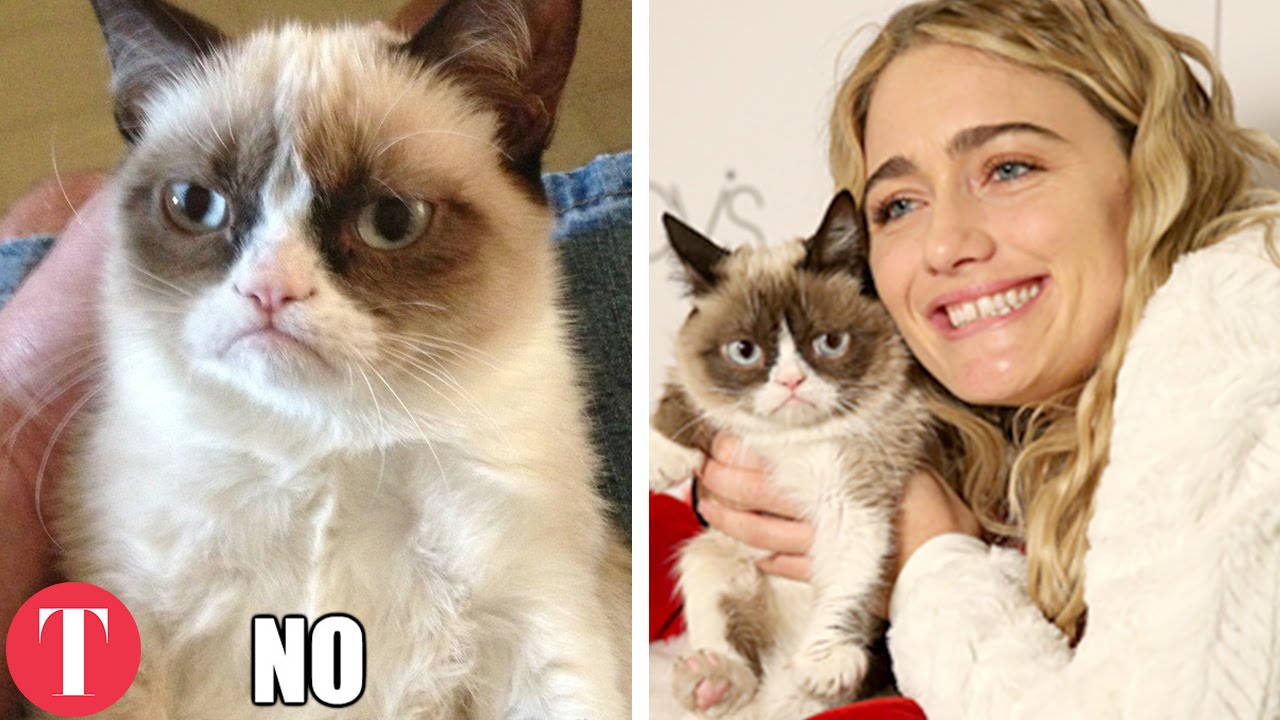

Some of the internet’s most famous faces never asked to be memes at all.
TheThings’ second installment of “The REAL Story Behind Hilarious Internet Memes” digs into the people whose faces got turned into punchlines without their permission. A goofy yearbook photo, a Myspace snapshot taken by mom, a webcam clip meant for a Justin Bieber contest — these are the raw materials Reddit, 4chan and Tumblr users grabbed and ran with, often without knowing or caring that a real person was on the other end of the joke.
- Blake Boston’s 2006 Myspace photo, taken by his mother and pulled from a Beantown Mafia rap project, turned him into “Scumbag Steve” and brought him online harassment before he leaned into the role.
- Kyle Craven’s deliberately awkward 2006 high school yearbook portrait became “Bad Luck Brian” after a friend posted it to Reddit in 2012, eventually landing him as much as $20,000 in commercial licensing deals.
- Sammy Griner’s 2007 beach photo, taken as an 11-month-old eating sand, became “Success Kid” and later helped crowdfund his father’s kidney transplant in 2015.
The Yearbook Photo That Wouldn’t Quit
Kyle Craven had no idea his 2006 senior portrait would follow him for the rest of his life. He mugged for the camera on purpose, going for a photo that looked as unflattering and off-putting as possible — the kind of picture nobody normally submits to a yearbook. A friend uploaded it to Reddit in 2012, and within days it had a caption, a name, and a template: “Bad Luck Brian,” the guy for whom nothing ever goes right.
Unlike a lot of accidental meme subjects, Craven — an architectural project manager by trade — turned the exposure into actual money. Brands wanted to license the photo for ads and merchandise, and Craven ended up pulling in as much as $20,000 from those deals. Not a fortune, but proof that a Reddit thread could occasionally pay better than most people’s side hustles.
Scumbag Steve’s Myspace Origin Story
Blake Boston’s meme started with his mother pointing a camera at him for a Myspace profile shot back in 2006. The photo — Boston in a backward flat-brim cap, staring down the lens — got sourced from a local Beantown Mafia rap project before it ballooned into “Scumbag Steve,” the internet’s go-to face for every inconsiderate, borrowing-your-stuff-without-asking archetype.
The attention wasn’t gentle. Boston faced a wave of online harassment as strangers decided his real personality matched the caption jokes being slapped on his face. Over time he stopped fighting the character and started embracing it, showing up at conventions and leaning into the “Scumbag Steve” persona rather than trying to outrun it.
Overly Attached Girlfriend and Ermahgerd
Laina Morris didn’t set out to become a meme when she submitted a webcam video for a Justin Bieber fan contest in 2012 — she just wanted to enter the contest. Her wide-eyed, intense expression got clipped, captioned, and rebranded as “Overly Attached Girlfriend,” a shorthand for clingy relationship behavior that spread across image boards almost overnight.
Maggie Goldenberger’s meme has an even more mundane origin. A middle school dress-up photo of her holding a stack of Goosebumps books got dug up and posted to Reddit in 2012, where her exaggerated expression turned her into “Ermahgerd” — complete with the phonetic, mocking speech pattern that became the meme’s entire joke. Neither woman had a say in how their faces got repurposed once the captions started multiplying.
A goofy yearbook photo from 2006 turned into a $20,000 licensing business six years later — nobody in that Reddit thread saw that coming.
Success Kid’s Fist Pump Turns Into a Rescue Mission
Sammy Griner’s contribution to internet history happened when he was 11 months old, sitting on a beach in 2007 clutching a fistful of sand with a triumphant scowl on his face. The photo got repurposed as “Success Kid,” the universal image for pulling off a small victory against the odds — landing a parking spot, nailing a job interview, whatever the caption called for.
That meme fame turned out to matter in a very real way in 2015, when Griner’s family used the character’s internet recognition to help crowdfund a kidney transplant for his father. It’s one of the rare cases in this genre where the joke image actually worked in the family’s favor instead of just becoming a headache to manage — a point worth remembering next to stories about people whose online notoriety wrecked their reputations, the kind covered in pieces on reporters who ruined their careers on social media or actors who did the same.
Every one of these five people had the same experience at the start: waking up to find strangers had turned a private photo into a punchline with millions of views attached, and no way to opt out. Some, like Craven and Boston, found a way to cash in or make peace with the character. For the Griner family, the meme ended up funding a transplant. That’s the through-line TheThings keeps circling back to across this series — the joke has a face, and the face has a life that kept going long after the caption stopped being funny.





Things You Forgot Happened During Gwen Stefani’s Relationship With Gavin Rossdale
20 Things You Should Know About Beyoncé
What You Didn’t Know About Mike Pence’s Kids
KATY PERRY VS. FLAME LAWSUIT: Let’s Compare!
Here’s The Real Truth About Taylor Swift