

10 Secrets For Flawless Skin From Other Countries

Ten countries, ten skincare rituals, and not a single one of them requires a $200 serum.
Forget the multi-step Sephora haul — some of the most effective skincare advice on the planet has been sitting in kitchen cabinets for generations. The video “10 Secrets For Flawless Skin From Other Countries,” from TheThings Celebrity, breaks down ten culturally specific beauty rituals that rely on food, minerals, and plant extracts instead of lab-formulated Western cosmetics. The common thread: clear skin doesn’t always start with a shopping cart.
- Indonesian skincare traditions lean on turmeric face masks, using the spice’s anti-inflammatory properties to fight acne breakouts, calm redness, and soften fine lines.
- South Korea’s globally imitated multi-step routine incorporates snail mucin specifically for cellular repair and deep hydration, not just moisture on the surface.
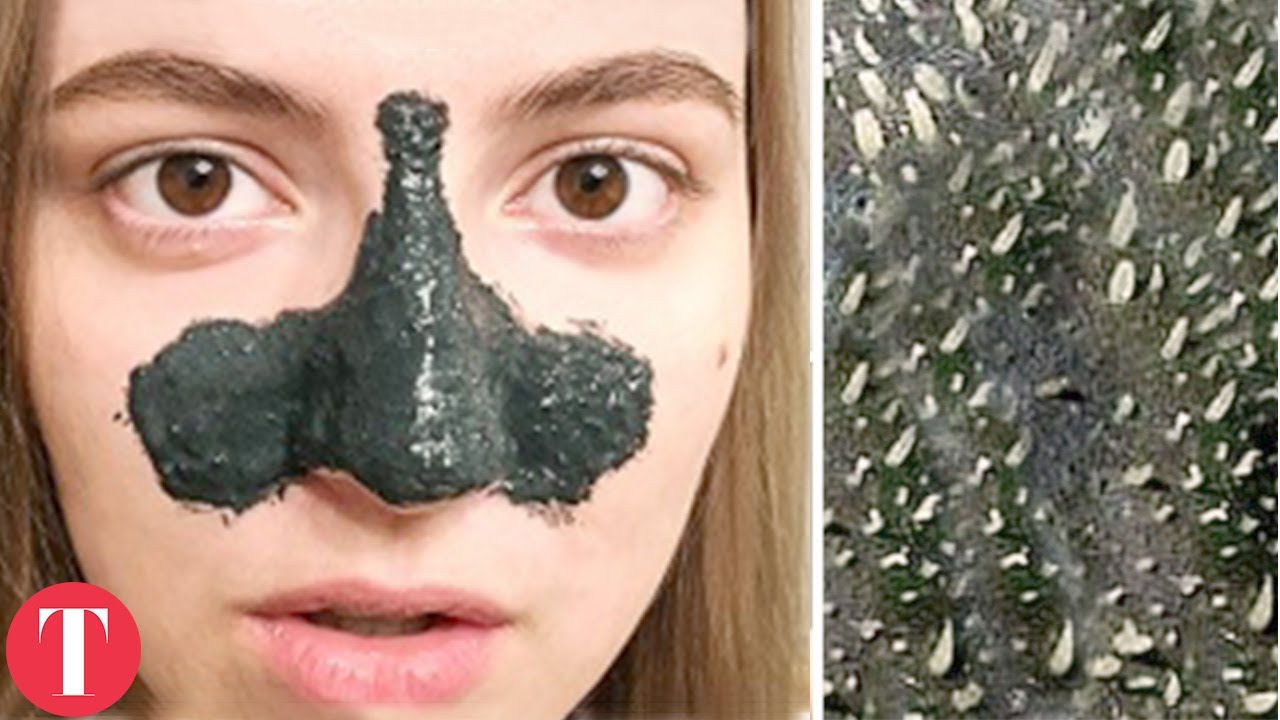
- Middle Eastern and European traditions turn to mineral-rich mud masks to pull impurities out of the pores, a detox method that predates modern clay-based skincare brands by centuries.
Turmeric’s Role in Indonesian Skincare
Turmeric shows up constantly in Indonesian and Indian kitchens as a curry staple, but its beauty application runs just as deep. According to the video, the spice’s anti-inflammatory compounds make it useful for calming acne breakouts and toning down redness, while regular use is credited with softening the appearance of fine lines. It’s the kind of ingredient that costs a few dollars a jar yet gets treated with the same reverence as a dermatologist-recommended retinol.
The South Korean Multi-Step Method
South Korea’s skincare culture is built around layering — cleansing, toning, essence, serum, moisturizer, and SPF, often stacked well beyond the standard four-step Western routine. The video singles out snail mucin as the standout ingredient in that lineup, prized for accelerating cellular repair and locking in hydration at a level most synthetic moisturizers can’t match.
Snail mucin isn’t a novelty ingredient in South Korea — it’s treated as a serious repair tool for skin cell turnover, not just a gimmick on a product label.
Mud Masks and Mineral Treatments
Middle Eastern and European traditions bring mineral-rich mud into the mix, using it to detoxify pores in a way that’s more clinical than cosmetic. These masks pull double duty — drawing out oil and debris while depositing trace minerals back into the skin, a method that long predates the mud masks now sold at drugstore price points.
Botanical Oils and Generational Remedies
The video rounds out its list with staples passed down across Asia, Africa, and the Americas: botanical oils, rice water rinses, and herbal pastes that don’t come with brand names attached. These aren’t trend-cycle products — they’re routines repeated for generations because they simply keep working, which is part of why lists like this keep circling back into trending conversations every time a new wave of skincare content resurfaces them.
None of these ten rituals require a trip to a specialty counter — turmeric and rice are already in most pantries, and that’s precisely the point the video keeps hammering home from one country to the next.









10 Really Bad Prom Dresses
10 Coachella Fashion Outfits Celebs Regretted Wearing
15 Times Stormi Was Spoiled By Kylie And Travis
20 Things You Didn’t Know About The New Child Stars of Nickelodeon