

10 Reasons Why Social Media Is RUINING Our Lives
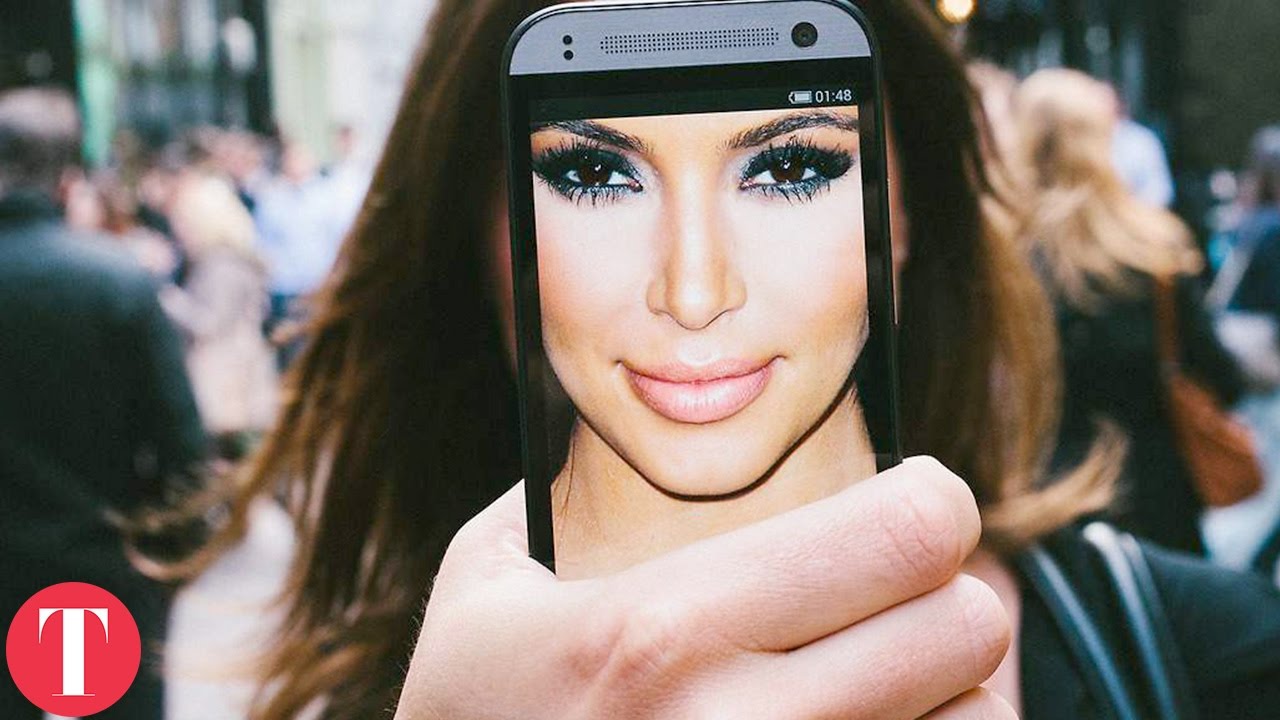

Your Instagram feed is quietly rewiring how you feel about your own life.
Social media promised to bring everyone closer together, and in plenty of ways it has — weddings now get streamed live on Facebook so relatives on the other side of the planet can watch in real time. But the video “How Is Social Media Affecting Your Life?” lays out ten specific ways that same connectivity is chipping away at self-esteem, relationships, sleep, and basic productivity. The core argument isn’t that Facebook, Instagram, Twitter, and Snapchat are useless — it’s that the way most people use them is doing measurable damage.
- The video frames continuous connectivity as a driver of modern loneliness, depression, and lower life satisfaction, even as it credits platforms for things like streaming weddings via Facebook Live.
- It points to high-profile social media figures who publicly admitted their glamorous, brand-sponsored posts were staged, used as evidence that the comparisons users make against “perfect” feeds are chasing an illusion.
- It ties compulsive checking of likes, comments, and follower counts to dopamine-driven feedback loops, arguing users end up seeking approval for a curated persona instead of their actual selves.
The Comparison Trap
The video’s biggest through-line is upward social comparison — the habit of measuring your actual life against someone else’s highlight reel. Scrolling a feed full of vacations, engagement photos, and gym-perfect bodies triggers envy and a sense of inadequacy even when the viewer knows, rationally, that nobody posts the bad days. That knowledge doesn’t stop the feeling, which is exactly the problem the video zeroes in on.
It backs this up with a detail that’s become a familiar cautionary tale online: several high-profile social media figures have publicly admitted that their glossy, brand-sponsored lifestyles were entirely staged for the camera, down to borrowed props and rented backdrops. If the picture-perfect life at the center of the comparison never actually existed, the video argues, the self-esteem hit it causes is being handed out for nothing.
The Dopamine Loop
Beyond comparison, the video describes a more mechanical problem: the like-comment-follower cycle is built to be addictive. Every notification functions as a small hit of validation, and platforms are structured to keep users chasing the next one rather than logging off satisfied. That’s the “addictive validation loop” the video names directly — users obsessing over metrics tied to an artificial, curated version of themselves rather than anything true to who they actually are.
Ten reasons, one theme running through all of them: the version of life on the screen isn’t the version being lived.
This isn’t a fringe concern anymore — it’s the same territory covered in pieces like Reporters Who Ruined Their Careers On Social Media, where the pressure to feed a public feed pushed people into decisions they wouldn’t have made offline.
Cyberbullying and the Anonymity Problem
The video also spends time on harassment, arguing that digital distance and anonymity strip away the social friction that normally keeps people from being cruel to each other’s faces. Without eye contact, tone, or immediate consequences, cutting remarks and public shaming happen faster and land harder, magnifying the psychological toll on the person on the receiving end. It’s the same dynamic that’s derailed careers well beyond ordinary users, as seen in Actors Who Ruined Their Careers On Social Media.
Removing face-to-face interaction doesn’t just enable bullying, either — the video notes it also erodes ordinary relationships. Non-verbal cues get lost when a conversation happens through a screen instead of in person, which breeds misunderstandings and conflict, especially when a partner or friend is more locked into their phone than the person actually in front of them.
Sleep, Productivity, and the Real-World Cost
The final piece of the video’s case is practical rather than emotional: screen time before bed, blue light exposure, and endless scrolling disrupt circadian rhythms, and that lost sleep bleeds into everything else. Distracted, under-slept users are shown struggling to hit real-world career and personal goals, because the hours and attention that would go toward them are getting absorbed by the feed instead.
Put together, the video’s ten points build toward a single conclusion — that the tools built to connect people are, used the way most people use them, actively working against connection, confidence, rest, and focus all at once.






Marvel Movie Villains Who Are Gorgeous In Real Life
The SHOCKING Prices Of Everyday Items Around The World
How Domino’s Is Winning The Pizza Wars
The Most Uncomfortable Letterman Interviews Ever
The Cast of RIVERDALE Play Who Said it? And Who Would You Rather | Cole Sprouse, Lili Reinhart