

The OLD Screen Laptop Is Finally Here…
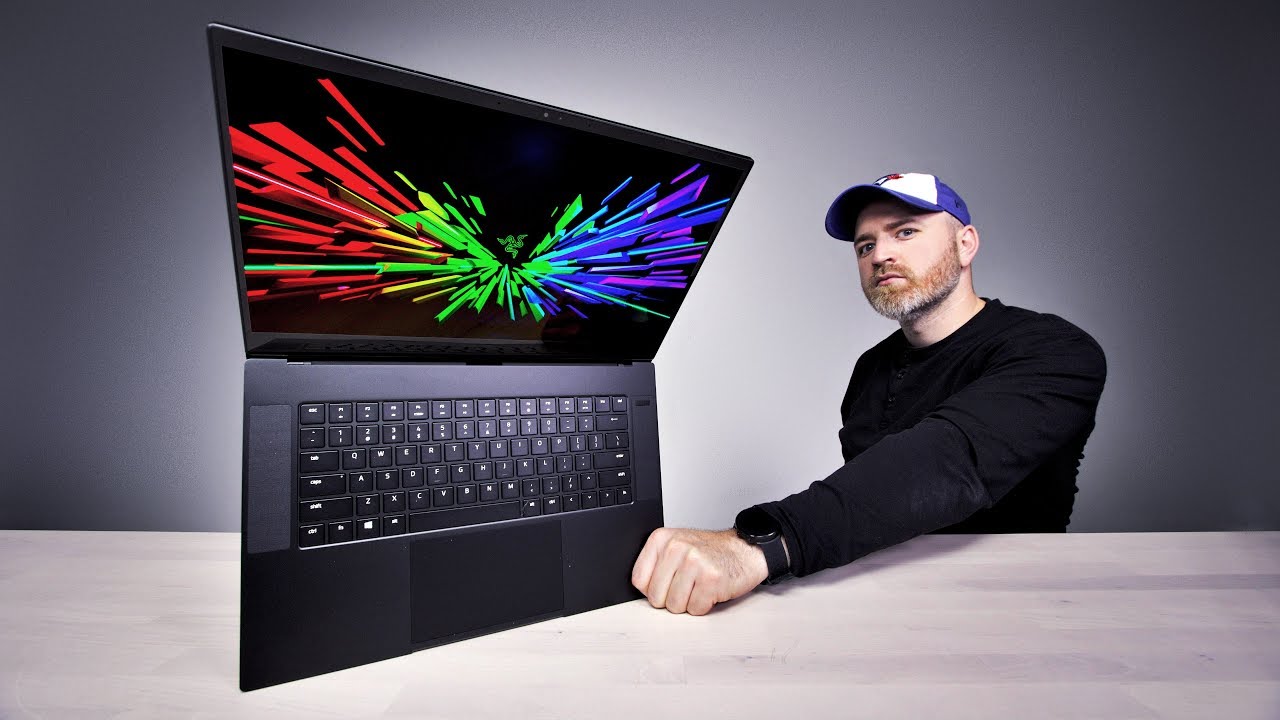

OLED finally lands on a gaming laptop, and Unbox Therapy got one first.
Lewis Hilsenteger pulls the 2019 Razer Blade 15 Advanced out of its box and gets straight to the point: this is the laptop that finally puts an OLED panel where gamers and editors have wanted one for years. The CNC-machined aluminum unibody looks like every other Blade 15, but the 15.6-inch 4K UHD touchscreen inside is a different animal entirely, built on individually lit pixels instead of a backlit IPS panel.
- The Razer Blade 15 Advanced ships with a 15.6-inch 4K UHD (3840 x 2160) OLED touchscreen rated for 100% DCI-P3 color coverage and HDR support.
- The high-end 2019 configuration pairs a 9th-gen 6-core Intel Core i7-9750H with Nvidia GeForce RTX Max-Q graphics, up to an RTX 2080 Max-Q with 8GB of VRAM, plus 16GB of DDR4 RAM and NVMe SSD storage.
- Pricing on this OLED-equipped build pushes past $3,000, positioning it as a premium option rather than a mainstream upgrade.
The Panel That Took Years To Arrive
OLED has been a laptop wishlist item since it showed up on phones and TVs, and Hilsenteger frames the Blade 15 Advanced’s screen as the payoff finally arriving. Because each pixel lights itself instead of relying on a backlight layer, the panel can shut individual pixels off entirely, producing black levels that a traditional IPS display simply can’t match. That translates into infinite contrast on paper and a visibly different look in person, especially in darker scenes or high-contrast content where IPS panels tend to wash out or glow at the edges.
Color performance is the other headline. Razer rates this panel at 100% DCI-P3 coverage, the color space used heavily in film and HDR content, and layers in HDR support on top of the 4K UHD resolution. For colorists, photo editors, and anyone doing HDR playback, that’s a meaningfully wider and more accurate gamut than the sRGB-leaning panels found on most competing 15-inch machines.
Individually lit pixels versus a backlit IPS panel is the whole story here — that’s where the deep blacks and the contrast come from.
2019 Advanced Model Engine Specifications
Under that new screen sits Intel’s 9th-generation Core i7-9750H, a 6-core chip that replaced the quad-core parts Razer used in earlier Blade generations. Hilsenteger’s unboxed unit pairs it with Nvidia’s RTX Max-Q graphics, topping out at an RTX 2080 Max-Q with 8GB of VRAM in the configuration reviewed, alongside 16GB of DDR4 RAM and NVMe SSD storage for fast load times. That’s enough headroom to drive 4K gaming and GPU-accelerated editing workloads without leaning entirely on the OLED panel’s own strengths.
The chassis itself carries over the design language Razer has used across the Blade 15 line — a slim-bezel, CNC-machined aluminum unibody that keeps the footprint tight despite the beefier internals. It’s a familiar shell wrapped around a genuinely new display technology, which is really the pitch of the whole unboxing.
Target Audience for the Machine
At a price surpassing $3,000, this isn’t a casual upgrade purchase. Razer is targeting two overlapping audiences with the OLED Advanced model: gamers who want the contrast and color advantages during actual gameplay, and creative professionals — video editors, colorists, photographers — who need accurate HDR and DCI-P3 coverage on the go. Hilsenteger’s unboxing leans into that dual pitch, treating the screen as the star attraction rather than the CPU or GPU spec bump, since OLED is the piece competitors haven’t matched yet.
For readers who enjoy watching creators dig into fast-moving product reveals and first impressions, Unbox Therapy’s approach here sits alongside other rapid-turnaround tech coverage, the same instinct that drives coverage of quick-turnaround stunts like the World’s Longest T-Shirt Launch or big-number challenges like the World’s Largest Challenge — get the thing in hand, show what’s actually different, move on.
Whether the OLED panel holds up under everyday use — burn-in risk, battery drain from all those individually lit pixels — is the question Razer buyers will be answering for themselves over the coming months, but for a first look, Hilsenteger’s verdict is simple: the wait for OLED on a proper gaming laptop is finally over, and the Blade 15 Advanced got there first.









10 Celeb Doppelgangers That Had Us Fooled
Everybody Loves Raymond Stars Who Sadly Passed Away
10 Pictures You Have To Look At Twice
10 Beauty Techniques That Will CHANGE Your Life
10 Weird Fashion Life Hacks EVERY Girl Should Know