

 InfoSearched
A new name enters the line of succession, and the palace rulebook says she still won’t be called “Princess” anytime soon.
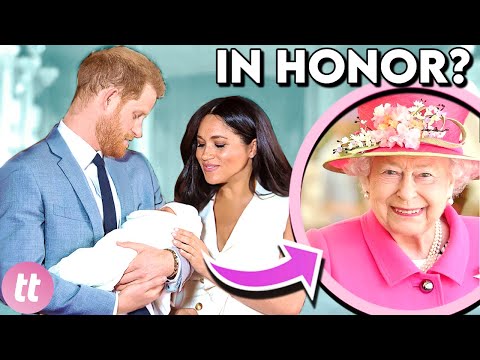
Prince Harry and Meghan Markle, the Duke and Duchess of Sussex, welcomed their second child on June 4, 2021, at 11:40 a.m. at Santa Barbara Cottage Hospital in California. Lilibet “Lili” Diana Mountbatten-Windsor arrived at 7 pounds, 11 ounces, and within days her name and her exact standing inside the royal hierarchy became the story — not just a birth announcement, but a genealogical puzzle involving a 1917 decree from King George V.
- Lilibet enters the British line of succession in eighth position, right behind her brother Archie, pushing Prince Andrew down to ninth.
- Under the 1917 Letters Patent, she is not automatically a princess — that title is reserved for children of the sovereign, children of the sovereign’s sons, and the eldest son of the Prince of Wales’s eldest son — though she becomes eligible once Prince Charles takes the throne.
- She is Queen Elizabeth II’s 11th great-grandchild, and both she and Archie hold dual U.S. and U.K. citizenship.
Her Official Position in Succession
The line of succession isn’t sentimental — it’s mechanical, and Lili’s arrival simply moves the numbers down a slot. She sits eighth, directly behind Archie, with Prince Andrew now bumped to ninth. That single-place shift is the most concrete, immediate consequence of her birth on the institution itself, regardless of what title she carries or doesn’t.
Requirements for the Princess Title
Despite being the granddaughter of the future king, Lili was not born a princess, and that’s not an oversight — it’s the letters patent working exactly as George V wrote them in 1917. That document restricts prince and princess titles to the sovereign’s children, the children of the sovereign’s sons, and the eldest living son of the Prince of Wales’s eldest son. Archie and Lili fall outside that language for now. The moment Charles ascends, though, the calculus changes, and Lili becomes eligible for the title — a detail that has fueled plenty of speculation, much like the palace intrigue covered in Royal Family Members That Are Nothing Like They Seem.
A Name Built From Two Generations
“Lilibet” was the nickname Queen Elizabeth II gave herself as a toddler who couldn’t pronounce “Elizabeth,” a name that stuck and was used affectionately by King George V and the late Prince Philip for the rest of her life. “Diana” honors Harry’s late mother, the Princess of Wales. Put together, the name threads two matriarchs — one still alive and reigning, one gone since 1997 — into a single christening.
She’s the Queen’s 11th great-grandchild, and she got there carrying both of her grandmothers’ names in one.
The Palace Response
The Sussexes made the announcement themselves on the Archewell Foundation website on June 6, and Buckingham Palace followed with a formal statement that Queen Elizabeth II, Prince Charles, and Prince William were “delighted” by the news. That kind of quick, warm, on-record reaction matters given the strained coverage the couple has drawn before — the same tension that’s shadowed stories like A Timeline Of Meghan Markle’s Parents’ Dysfunctional Relationship.
For now, Lili is a name on a birth certificate and a number on a succession chart — eighth, dual citizen, no title, eligible for one down the road. The next real marker to watch is whether Charles’s eventual reign actually triggers that princess designation for her and Archie, which is the only thing standing between “Lilibet Diana Mountbatten-Windsor” and “Princess Lilibet.”






New VKs | Road to Auradon | Descendants 3
Celebrities Many MILLION Dollar Mansions
Charlo vs Castano HIGHLIGHTS: July 17, 2021 | PBC on SHOWTIME
Meanwhile… Ruth-less Bader Ginsburg
What Lady Gaga And Taylor Kinney’s Relationship Is Like Today