

What Really Happens Behind The Scenes At The World Cup
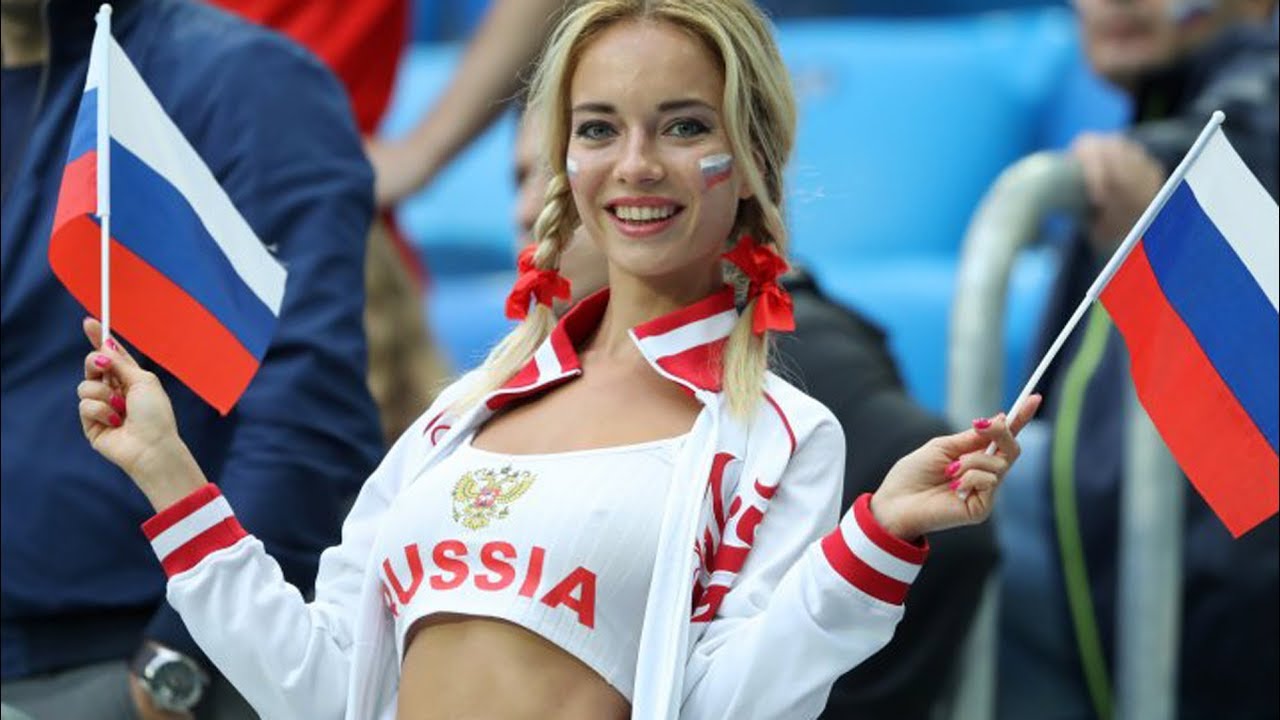

Behind the pageantry of the 2018 World Cup sits a decade of bribery indictments, bulldozed neighborhoods, and stadiums nobody wanted to keep.
Nicki Swift’s video breakdown, “What Really Happens Behind The Scenes At The World Cup,” skips the highlight reel entirely and goes straight for the parts FIFA would rather fans not think about. Released during Russia’s tournament, the seven-chapter feature runs through the 2015 corruption scandal that gutted FIFA’s leadership, the human and financial cost of building host-city infrastructure, and the working conditions already drawing scrutiny ahead of Qatar 2022. It’s less a celebration of the sport than an audit of everything that happens before the whistle blows.
- The 2015 FIFA corruption case, investigated by the U.S. Department of Justice and Swiss authorities, led to indictments of more than a dozen soccer officials and marketing executives over $150 million in bribes and ultimately forced Sepp Blatter’s resignation as FIFA president.
- Brazil’s Arena da Amazônia in Manaus, built for the 2014 tournament, became such an underused “white elephant” that officials discussed converting it into a municipal parking lot or holding facility.
- Qatar’s 2022 bid faced bribery allegations and human rights scrutiny severe enough that the tournament was moved from summer to winter and migrant labor conditions on its construction sites became a global story.
The FIFA Corruption Scandal That Toppled Sepp Blatter
The video opens on what it calls “red cards for FIFA brass” — the 2015 bombshell that turned soccer’s governing body into a Justice Department case file. U.S. and Swiss investigators tracked more than $150 million in bribes tied to World Cup hosting rights, broadcast deals, and marketing contracts, resulting in indictments against over a dozen high-ranking officials and sports marketing executives. Sepp Blatter, who had run FIFA since 1998, resigned days after being re-elected to another term, unable to outrun the fallout even though he was never among those criminally charged in the initial round of indictments.
Over $150 million in bribes, more than a dozen indictments, and one FIFA president gone within days of winning re-election.
That scandal set the tone for everything that follows in the video — a running theme of an organization whose off-field dealings have drawn far more scrutiny than most of its on-field product. The reporting that followed the indictments treated the story with the same intensity usually reserved for major political scandal coverage, a pattern echoed in pieces like Controversial Celeb Moments In 2021 No One Will Forget, where public falls from grace generate their own news cycle independent of the original headline.
Squad Cuts and Locker Room Discipline
“Not making the cut” turns to the roster side of the tournament — the drama of who gets left off a 23-man squad and what happens when discipline breaks down inside camp. Every World Cup produces a wave of stories about players omitted from final rosters despite club form, along with internal squad tension that rarely makes the broadcast. The video treats these decisions as their own subplot, separate from anything that happens on the pitch.
That thread continues into “pulling the goalkeeper,” which the video uses to highlight goalkeeper controversies and last-minute squad adjustments that can upend a team’s tournament before a ball is kicked in anger.
The Price of Hosting: White Elephants and Displaced Communities
Sections titled “if you build it, they’ll park in it” and “clearing the scene” go after the physical cost of hosting. South Africa’s 2010 tournament and Brazil’s 2014 edition both left behind stadiums that host cities struggled to fill afterward — Manaus’s Arena da Amazônia became the video’s central example, a venue so underused that local officials floated turning it into a parking lot or holding facility once the tournament left town. The video also details how venue construction has repeatedly forced the clearance or displacement of local communities living near build sites, a cost that rarely shows up in FIFA’s official tournament budgets.
It’s the kind of aftermath that echoes far beyond soccer — mega-events leaving host cities to deal with the bill long after the cameras pack up, the same dynamic explored in Made $1 Million in 7 Hours, Ruined a Whole City in One.
Qatar 2022’s Long Shadow
“Pulling off Qatar 2022” is where the video gets its most pointed, laying out the bribery allegations attached to Qatar’s winning bid and the human rights concerns that followed it. The chapter covers the extreme summer heat that eventually forced organizers to shift the tournament to a winter window, along with the unsafe working conditions migrant laborers faced while building the stadiums, transit lines, and hotels required to host the event. At the time of this video’s release, those concerns were already a fixture of pre-2022 coverage, years ahead of a single match being played.
Iceland’s Viking Clap and Other On-Field Quirks
The closing chapter, “nobody touches Viking pride,” shifts to something lighter — the cultural rituals that came out of the 2018 tournament itself, chiefly Iceland’s “Viking clap,” the slow-building, thunderous stadium chant that turned the smallest nation ever to qualify for a World Cup into one of Russia’s most talked-about fan stories. It’s the video’s way of closing on a note that acknowledges why, corruption cases and construction scandals aside, hundreds of millions of people still tune in every four years.




The Kardashians Can’t Stop Copying Other Celeb Styles | Compilation
10 Really Bad Prom Dresses
Julian Newman Throws Ball Off Mikey Williams’ Head, Then Mikey GOES OFF! Julian Challenges Kyree ????
The Many Secrets Prince Tried To Hide
13 Lessons Learned From 13 Reasons Why