

Every Car in Fast & Furious RANKED | WheelHouse
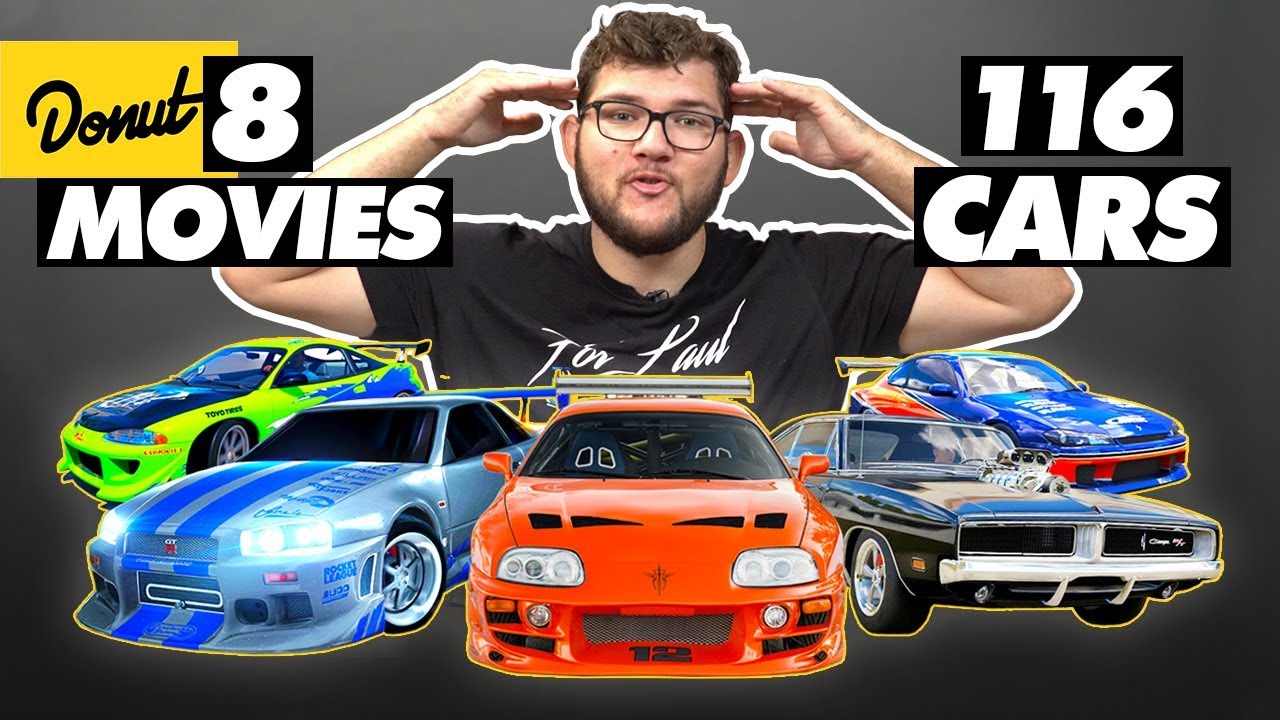

Eight movies, dozens of hero cars, and one YouTube host willing to rank every single one of them.
Donut Media dropped a new episode of “WheelHouse” on July 22, 2019, and this time host Nolan Sykes took on a job that sounds simple until you actually try it: ranking every car that’s appeared across the “Fast & Furious” franchise. The video, titled “Every Car in Fast & Furious RANKED | WheelHouse,” works through eight main Universal Pictures installments released before the “Hobbs & Shaw” spinoff hit theaters, sorting hero cars by more than just horsepower numbers.
Sykes builds his case around cultural weight as much as spec sheets — how a build shaped tuner culture, how a car reads on screen, what it meant to the character behind the wheel. That approach puts screen-legendary machines like Brian O’Conner’s orange Mk IV Toyota Supra right alongside deep-cut picks that only hardcore fans would recognize on sight.
- The episode covers all eight main “Fast & Furious” films released through 2017, stopping short of the “Hobbs & Shaw” spinoff.
- Featured vehicles include Dominic Toretto’s supercharged 1970 Dodge Charger R/T, Brian O’Conner’s Mk IV Toyota Supra and R34 Nissan Skyline GT-R, the “Mona Lisa” 2001 Nissan Silvia S15 from “Tokyo Drift,” Han Lue’s VeilSide Mazda RX-7, and Roman Pearce’s 1970 Plymouth Road Runner.
- Host Nolan Sykes evaluates each car on cultural footprint and narrative role, not just performance stats, contrasting screen-used stunt builds against their real-world production counterparts.
The Case for Toretto’s Charger
No car in the franchise carries more weight than Dominic Toretto’s supercharged 1970 Dodge Charger R/T. It’s the car that opens the original 2001 film, the car Vin Diesel’s character keeps coming back to across the series, and the one piece of steel that’s inseparable from the “Fast & Furious” brand itself. Sykes treats it as the franchise’s defining machine — not because it’s the fastest thing on screen, but because it’s the one vehicle every casual viewer can picture the instant someone says “Dom’s car.”
Right behind it sits Brian O’Conner’s bright orange Mk IV Supra, the car most responsible for turning an entire generation of car enthusiasts onto Japanese tuner culture in the early 2000s. Paul Walker’s Supra became such a fixture of the aftermarket scene that builders and parts manufacturers have spent nearly two decades recreating it. Sykes leans into that real-world ripple effect as much as the on-screen moment itself.
The Supra didn’t just sell tickets — it sold a whole generation of car enthusiasts on Japanese tuner culture.
The Deep Cuts That Made the List
Where the episode gets interesting is in the vehicles casual fans forget. The R34 Nissan Skyline GT-R, Brian O’Conner’s ride in “2 Fast 2 Furious,” gets credit for introducing American audiences to a car Nissan never officially sold stateside. Han Lue’s VeilSide Mazda RX-7 — all wide-body kit and neon-lit menace in “Tokyo Drift” — represents the era when body kits themselves became characters.
Then there’s the 2001 Nissan Silvia S15 nicknamed the “Mona Lisa,” also from “Tokyo Drift,” which Sykes uses to talk through how the drift-culture films leaned on JDM machinery that hadn’t been legally imported into the U.S. Roman Pearce’s 1970 Plymouth Road Runner rounds out the muscle-car side of the ledger, giving the episode a way to compare American iron against the Japanese builds without pretending they’re competing on the same terms.
Grading Style Over Stats
What separates this “WheelHouse” breakdown from a typical top-10 list is Sykes’ insistence on judging cars by what they did outside the theater. He walks through how specific builds pushed the early-2000s tuner and drift scenes forward, and he draws a line between the heavily modified stunt cars used for filming and the stock production models regular buyers could actually purchase. That distinction matters for anyone who’s ever watched a chase scene and wondered how much of what’s on screen exists in the real world.
The approach mirrors the kind of deep-dive breakdowns that keep viral car-culture debates alive across YouTube — the same appetite for definitive rankings that fuels endless comment-section arguments, the sort of content that regularly lands in entertainment’s trending conversations well after a video first drops. Franchise rankings like this one tend to generate exactly that kind of pushback, since every fan has a personal favorite that didn’t crack the top of the list.
Sykes doesn’t shy away from that friction. Part of what makes “WheelHouse” work as a recurring series is that Donut Media treats these rankings as conversation-starters rather than final verdicts, the same way ongoing TV and franchise coverage keeps circling back to shows and film series that fans refuse to stop debating.
By the time the credits roll, the Charger and the Supra still sit at the top of Sykes’ list — but the real value of the episode is in the cars most viewers had forgotten existed, like the Mona Lisa S15 or Han’s VeilSide RX-7, getting their due before “Hobbs & Shaw” was set to expand the garage even further just weeks later.








Cameron Boyce Remembered by Co-Stars
Teresa Giudice Reveals Which Colleges Have Accepted Gia
10 Celebs Who Went From TRASH To CLASS
This Is How Far Each Kardashian Got In School
20 SEPHORA SECRETS You Need To Know Right Now