

How Domino’s Is Winning The Pizza Wars
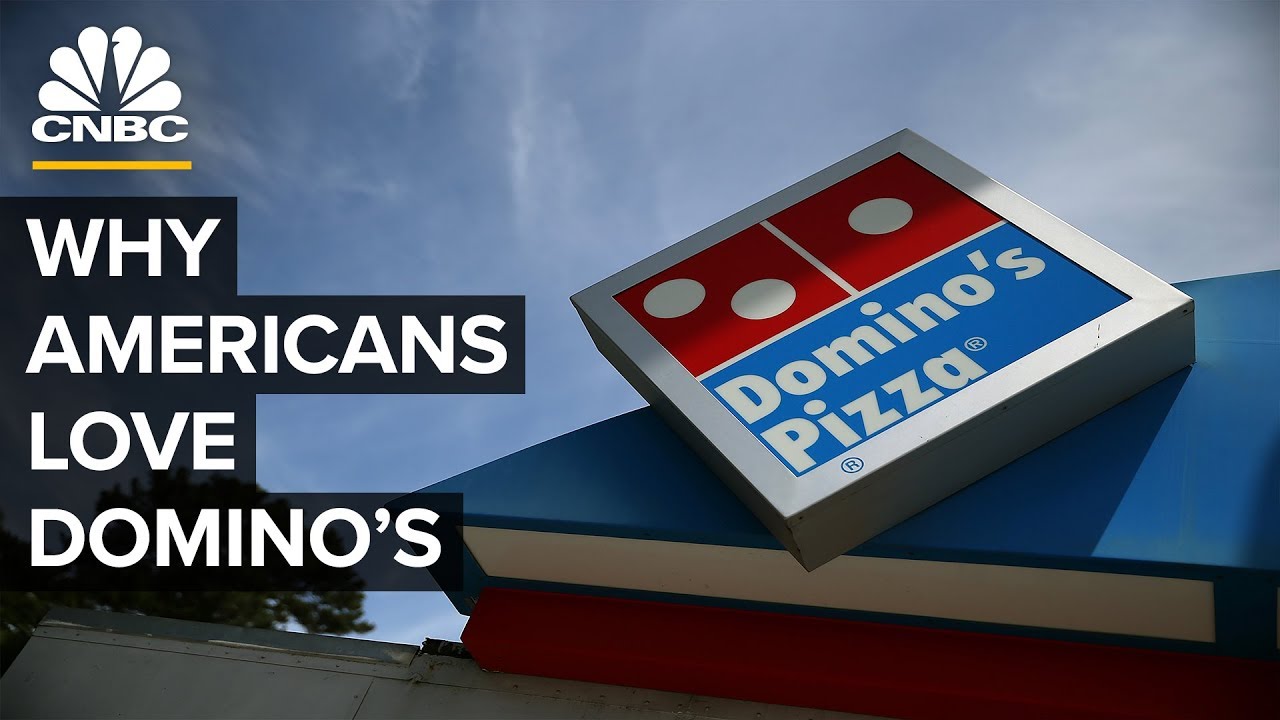

Domino’s went from crust jokes to the biggest pizza company on Earth, and it did it with dough recipes and delivery math.
A decade ago, Domino’s Pizza was a punchline — customers compared its crust to cardboard and its sauce to ketchup, and sales were sliding. Today it’s the largest pizza chain in the world by global retail sales, ahead of both Pizza Hut and Papa John’s. CNBC’s documentary “How Domino’s Is Winning The Pizza Wars” breaks down exactly how a company built on 1960s delivery logistics turned itself into one of the most sophisticated tech and supply-chain operations in fast food.
- Domino’s overhauled its entire recipe — sauce, crust, and cheese — starting around 2009-2010 under then-CEO J. Patrick Doyle, launching the self-critical “Pizza Turnaround” campaign that publicly aired customer complaints.
- By 2018-2019, roughly two-thirds of Domino’s U.S. sales were coming through digital channels, driven by tools like the Domino’s Tracker, Pizza Builder, and the multi-platform “AnyWare” ordering system.
- The company’s “fortressing” strategy packs new franchise stores closer together in existing territories, shrinking delivery zones to fight off DoorDash, Uber Eats, and Grubhub even at the risk of cannibalizing its own stores’ sales.
The Recipe Doyle Had to Fix First
Before Domino’s could fix anything about delivery speed or app design, it had to fix the pizza itself. Under J. Patrick Doyle, the company ran an unusually blunt ad campaign that put real customer criticism on screen — crust compared to cardboard, sauce compared to ketchup — rather than burying it. Domino’s then rebuilt the pizza from the ground up: a new sauce, a reworked crust, and a different cheese blend, all rolled out publicly as the “Pizza Turnaround.”
That kind of admission is rare in fast food marketing, where brands typically protect the product rather than apologize for it. Domino’s leaned into the criticism instead, betting that transparency would rebuild trust faster than another ad about “the best pizza ever.” The bet worked — the recipe overhaul became the foundation everything else was built on top of.
Turning a Pizza Chain Into a Tech Company
Domino’s next move was treating itself less like a restaurant chain and more like an e-commerce company that happens to sell pizza. The Domino’s Tracker let customers watch their order move from prep to oven to delivery in real time, and the Pizza Builder gave people a visual, drag-and-drop way to customize toppings online. From there, the company kept stacking on ordering channels through its “AnyWare” platform — smart TVs, smartwatches, voice assistants, and even ordering by tweeting a pizza emoji.
The payoff shows up directly in the numbers: by 2018-2019, digital transactions accounted for around two-thirds of Domino’s U.S. sales. That volume is backed by a network of proprietary commissary centers that produce consistent, pre-made dough balls shipped out to franchise locations, so a pizza in one city tastes the same as one across the country — a consistency problem most competitors still solve store-by-store.
Domino’s turned a customer complaint about cardboard crust into the ad campaign that rebuilt the entire company.
Fortressing: Fighting Delivery Apps by Getting Smaller
The biggest threat to Domino’s business isn’t Pizza Hut anymore — it’s DoorDash, Uber Eats, and Grubhub eating into the delivery category Domino’s practically invented. The company’s answer is “fortressing”: clustering new franchise locations closer together inside markets it already dominates, rather than spreading into fresh territory.
Packing stores tighter shrinks each location’s delivery radius, which speeds up fulfillment and cuts transportation costs per order. It comes with a real trade-off — new stores can cannibalize sales from existing ones nearby — but Domino’s has treated that short-term hit as worth it for faster delivery times and a bigger share of carryout traffic, which carries better margins than delivery in the first place. Layered on top of the $5.99 mix-and-match deal and other value promotions, fortressing gives Domino’s a structural cost advantage that a single neighborhood pizzeria — or even a national chain without the same store density — simply can’t match.
What CNBC’s breakdown makes clear is that Domino’s didn’t just get lucky with an app rollout — it rebuilt the pizza, then rebuilt the ordering experience, then rebuilt the map of where its stores physically sit, all pointed at the same goal of getting a hot pizza to the door faster than a gig-economy courier ever could.








The Real Story Behind Hilarious Internet Memes (3/3)
20 Things You Didn’t Know About Justin Bieber
10 Most Expensive Toys You Can’t Afford
Lynda Carter’s Daughter Has Grown Up To Be Gorgeous
The Untold Truth Of Patricia Heaton